 By TBLTeam
 Yes, an NFT or custom avatar business is legal in India, but it must follow tax, GST, copyright, privacy, and anti-money-laundering rules.
Digital art has moved beyond simple profile pictures. Today, people buy NFT art, custom avatars, gaming characters, metaverse identities, AI portraits, brand mascots, and collectible digital characters. A designer sitting at home can create avatars for Instagram users. A startup can sell NFT-based membership passes. A gaming studio can build paid avatar skins. An artist can mint limited-edition NFT artwork for global buyers.
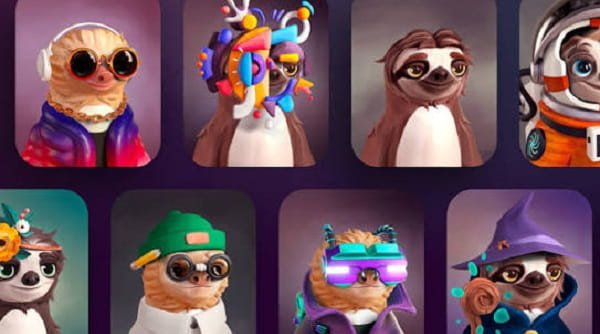
NFT Business and Custom Avatar Business Are Not the Same
A custom avatar business usually means creating digital portraits, profile images, cartoon characters, gaming icons, brand avatars, AI-generated portraits, or social media display pictures for customers. This can be done as a freelance service, digital product, or design agency business.
An NFT business means creating, selling, minting, listing, transferring, or facilitating ownership of a blockchain-based digital token. In India, NFTs are included in the wider category of Virtual Digital Assets, subject to exclusions like physical NFTs, gift cards, vouchers, reward points, loyalty cards, and subscriptions of websites or applications.
So, a normal avatar file sold as PNG/JPG is generally a digital design product. But once that avatar is minted and sold as an NFT, tax and VDA compliance become more serious.
NFT Selling Is Legal, But Tax Is Strict
Selling NFTs is not banned in India. However, income from the transfer of Virtual Digital Assets is taxed at a flat 30% plus surcharge and cess, and no deduction is allowed except the cost of acquisition. Loss set-off is also not freely available under the VDA tax framework.
There is also 1% TDS on the transfer of VDAs under Section 194S when payment is made to a resident, subject to threshold limits. The Income Tax Department’s guidance mentions ₹50,000 and ₹10,000 thresholds depending on the payer category.
This means an NFT artist or NFT seller should keep proper records of minting cost, sale price, platform charges, wallet details, TDS, and crypto-to-INR conversion value.
NFT Marketplace Needs Higher Compliance
If you only create your own NFT art and sell it, your compliance burden is different. But if you run an NFT marketplace, wallet, custody service, exchange service, or platform that helps users transfer VDAs, the business may fall under the Prevention of Money Laundering Act framework.
VDA service providers have been brought under AML/CFT rules and are treated as reporting entities to FIU-IND. They are required to report specified transactions, including suspicious transactions. As of 9 March 2026, 54 VDA service providers were registered with FIU-India, and FIU-IND had directed takedown of apps and URLs of 53 non-compliant VDA service providers.
So, running a serious NFT marketplace in India is not just a “website business.” It may need FIU registration, KYC, transaction monitoring, suspicious transaction reporting, and AML controls.
Custom Avatar Business Is Easier, But Not Rule-Free
A custom avatar business is generally legal and simpler than an NFT platform. You can sell avatars as digital art, social media profile pictures, gaming assets, brand mascots, or personalised illustrations.
But you must follow basic rules. You should not copy another artist’s work, use copyrighted characters, imitate famous cartoon styles too closely, sell celebrity-based avatars without permission, or use someone’s face/photo without consent. If you use AI tools, check whether the tool allows commercial use of the output.
Indian copyright law recognises computer-generated literary, dramatic, musical, or artistic work by treating the author as the person who causes the work to be created. Still, AI-generated work can become risky if it copies protected images, characters, logos, or famous artistic material.
Does Buying an NFT Mean Buying Copyright?
No, not automatically. This is one of the biggest misunderstandings in the NFT world.
When a person buys an NFT, they usually buy a token linked to digital content. They do not automatically get full copyright ownership unless the seller clearly transfers those rights through written terms.
For example, a buyer may own the NFT, but the artist may still keep the right to reproduce, display, license, or commercially use the artwork. If you are selling NFT avatars, your terms should clearly mention what the buyer gets: personal use only, commercial use, resale right, brand use, printing rights, or full copyright transfer.
GST Rules for Avatar and Digital Product Sellers
If you sell custom avatars, digital art, downloadable files, or online digital products, GST can apply once your turnover crosses the applicable limit. CBIC’s GST FAQ mentions registration liability where aggregate turnover is more than ₹20 lakh, with ₹10 lakh in special category states.
Some automated digital products may also fall under OIDAR-type online services. GST Council material explains OIDAR as services provided through the internet and received online without physical interface, such as downloading an e-book online for payment.
For a small avatar designer below the threshold, GST may not be required immediately. But for a growing agency, NFT platform, automated avatar generator, or digital product store, GST classification should be checked properly.
Privacy Rules: Be Careful With Customer Photos
Many custom avatar businesses ask customers to upload selfies, family photos, children’s photos, or brand photos. This brings privacy duties.
India’s Digital Personal Data Protection Act, 2023 applies to digital personal data processed in India and also outside India when processing is connected with offering goods or services to people in India. Consent must be free, specific, informed, unconditional, unambiguous, and based on clear affirmative action.
So, an avatar business should clearly tell users why their photo is collected, how it will be used, whether it will be stored, and how they can request deletion. Do not use customer photos in your portfolio, ads, or AI training dataset without permission.
Avoid Investment-Type Promises
NFT marketing should be careful. Do not promote NFTs as “guaranteed profit,” “future millionaire asset,” “risk-free investment,” or “sure-shot resale value.” NFT prices can collapse quickly, and misleading investment-style claims may create consumer protection and advertising risks.
If you are selling NFT art, sell it as art, membership, access, collectible, or digital utility only if that utility is real.
FAQs
Q1. Can I sell NFT art from India legally?
A: Yes, you can sell NFT art from India, but income from NFT transfer may be taxed under Virtual Digital Asset rules. You should maintain proper sale records, wallet details, platform fees, TDS details, and INR conversion value.
Q2. Can I start a custom avatar business without company registration?
A: Yes, you can start as an individual or sole proprietor. A private limited company is not compulsory at the beginning. But you still need to follow income tax, GST threshold rules, copyright rules, and customer data protection practices.
Q3. Can I use AI tools to create avatars and sell them?
A: Yes, but only if the AI tool’s terms allow commercial use. Also avoid generating avatars that copy celebrities, copyrighted characters, brand logos, or another artist’s protected style too closely.
Q4. Is GST required for selling custom avatars?
A: GST is generally required once your turnover crosses the applicable GST threshold. Small sellers below the limit may not need GST registration immediately, but automated digital services, marketplace sales, and cross-border models should be checked carefully.
Q5. Can an NFT marketplace operate legally in India?
A: Yes, but it has higher compliance duties. If the platform facilitates VDA exchange, transfer, custody, or related services, FIU-IND registration, KYC, AML checks, transaction reporting, and suspicious transaction monitoring may become necessary.
 Meghna Sharma