 By TBLTeam
 Yes, but only if your flat-based cloud kitchen follows FSSAI rules, local municipal permissions, housing society rules, fire safety norms, hygiene standards, and tax compliance.
A cloud kitchen from a flat sounds like the perfect low-budget food business. You already have a kitchen, you know how to cook, and customers can order through WhatsApp, Instagram, Swiggy, Zomato, or direct delivery. No dining hall. No big rent. No waiter. No heavy restaurant setup.
But legally, a cloud kitchen is not treated as a casual home activity once you start selling food regularly. The moment you cook food for customers and take money, it becomes a food business. So, running a cloud kitchen from a residential flat can be legal in India, but only when the flat, society, local authority, food safety department, and tax rules allow it.
What Is a Cloud Kitchen?
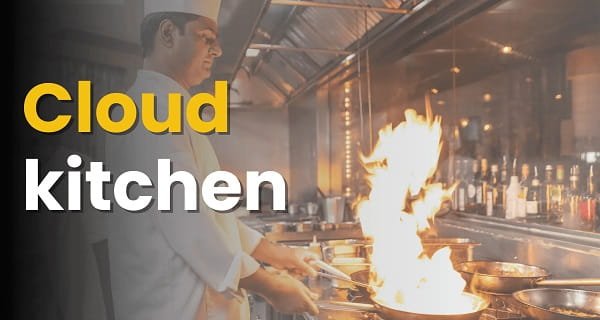
A cloud kitchen is a delivery-only food business. Food is prepared in one place and delivered to customers through online platforms, direct calls, social media, or delivery partners. There is no dine-in facility.
Under GST clarification, cloud kitchens and central kitchens are covered under “restaurant service” when they cook and supply food through takeaway or door delivery. CBIC has clarified that such services attract 5% GST without input tax credit when GST applies.
This shows one important thing: a cloud kitchen is legally seen as a proper food service business, not just home cooking.
FSSAI Registration or Licence Is Mandatory
If you are selling food from your flat, FSSAI compliance is the first major requirement. FSSAI states that every Food Business Operator in India is required to be licensed or registered under the Food Safety and Standards Authority of India.
This applies even if your kitchen is small, home-based, part-time, or run by one person. If food is prepared and sold to the public, you should not run it without FSSAI registration or licence.
From 1 April 2026, FSSAI’s revised turnover categories mention registration up to ₹1.5 crore, State Licence above ₹1.5 crore and up to ₹50 crore, and Central Licence above ₹50 crore. FSSAI also says licences and registrations issued after 1 April 2026 will have perpetual validity unless suspended, cancelled, or surrendered.
So, many small cloud kitchens may come under FSSAI Registration, while larger or multi-location businesses may need a State or Central Licence.
Can a Residential Flat Be Used as a Cloud Kitchen?
This is the main legal catch. FSSAI registration alone does not automatically give you the right to use a residential flat as a commercial kitchen.
A flat is usually approved for residential living. A cloud kitchen may create regular delivery movement, smell, smoke, noise, extra gas usage, food waste, packaging waste, and fire risk. Because of this, local municipal rules and housing society rules become very important.
Before starting, you should check your apartment by-laws, rent agreement, landlord permission, municipal zoning rules, fire safety requirements, and whether food business activity is allowed from that address. If your society rules prohibit commercial activity, the society can object even if you have FSSAI registration.
Society NOC and Landlord Permission
If you live in a housing society, getting a society NOC is strongly recommended. Many societies do not allow commercial kitchens inside flats because of safety, cleanliness, delivery traffic, and neighbour disturbance.
If you live in a rented flat, check your rent agreement carefully. Most rent agreements say the property is for residential use only. Running a commercial cloud kitchen without the landlord’s permission may create a dispute or even eviction risk.
A small home tiffin operation may be tolerated in some societies, but a full-scale cloud kitchen with multiple delivery orders every day is different.
Municipal Trade Licence or Health Trade Licence
Apart from FSSAI, many cities require a local trade licence, health trade licence, or municipal permission for food businesses. The exact name changes from city to city.
For example, Bhubaneswar Municipal Corporation describes a trade licence as permission to carry on a particular trade or business, ensuring that the activity follows relevant rules, standards, and safety guidelines. Delhi also has a Unified Health Trade Licensing Portal for health trade establishments.
So, a cloud kitchen owner should not assume that FSSAI alone is enough. Local municipal approval can be equally important.
Fire Safety and Gas Safety
A normal flat kitchen is designed for family cooking, not continuous commercial cooking. Cloud kitchens may use more LPG, higher flame, extra electrical appliances, refrigerators, fryers, exhaust systems, and packaging material.
This increases risk. Avoid keeping extra cylinders in unsafe areas, cooking in closed spaces without ventilation, overloading electrical points, or blocking exits. If the operation becomes large, it is safer to shift to a commercial kitchen space.
Hygiene and Food Safety Rules
FSSAI licence conditions require Food Business Operators to maintain sanitary and hygienic standards, worker hygiene, production records, raw material quality, and safe food storage practices. The conditions also mention maintaining temperature through the supply chain wherever required.
This is very important for cloud kitchens because food reaches the customer after packing and delivery time. Poor storage, wrong reheating, bad packaging, contaminated water, or unhygienic handling can lead to food poisoning complaints.
A flat-based kitchen should maintain clean water, pest control, proper refrigeration, covered dustbins, separate raw and cooked food handling, clean utensils, and safe packaging.
GST for Cloud Kitchen from Flat
GST is not compulsory from the first day for every small cloud kitchen. GST registration generally depends on turnover and business structure. CBIC guidance mentions ₹20 lakh as the service threshold, with ₹10 lakh in special category states. It also notes that suppliers of services through e-commerce platforms can avail the ₹20 lakh/₹10 lakh threshold exemption.
However, once GST applies, cloud kitchen food supply is treated as restaurant service and generally attracts 5% GST without ITC.
If you sell through food delivery platforms, GST handling may become more technical because platform-related rules can apply.
Can You Register on Swiggy or Zomato from a Flat?
It may be possible, but platform approval is not the same as full legal permission. Food delivery platforms usually ask for FSSAI details, PAN, bank details, menu, address proof, and tax information.
Even if a platform accepts your kitchen, you still need to check society permission, municipal licence, landlord permission, fire safety, and hygiene compliance. A platform listing cannot protect you from local objections.
When Is It Not Legal?
A cloud kitchen from a flat can become illegal or unsafe if you run it without FSSAI registration, violate society rules, ignore municipal licence requirements, use a residential flat for prohibited commercial activity, create nuisance for neighbours, store gas cylinders unsafely, or sell food in unhygienic conditions.
It can also become risky if the menu includes high-risk items like meat, dairy, seafood, frozen food, or bulk catering without proper storage and temperature control.
FAQs
Q1. Can I start a cloud kitchen from my home without FSSAI?
A: No. If you are regularly selling food to customers, you should take FSSAI registration or licence according to your scale and category. Home-based food selling is still a food business.
Q2. Can my housing society stop my cloud kitchen?
A: Yes. If your cloud kitchen creates disturbance, delivery traffic, smell, smoke, waste, fire risk, or violates society by-laws, the housing society can object. Society NOC is always safer.
Q3. Is GST compulsory for a flat-based cloud kitchen?
A: Not always from day one. GST depends on turnover and selling model. But once GST applies, cloud kitchen food supply is generally treated as restaurant service at 5% GST without ITC.
Q4. Can I run a cloud kitchen from a rented flat?
A: Only with landlord permission and if the rent agreement allows such activity. If the agreement says residential use only, running a commercial kitchen can create legal trouble.
Q5. Is a home tiffin service also covered under food safety rules?
A: Yes. If you are regularly cooking and selling tiffin meals to customers, it is also a food business. It may be smaller than a cloud kitchen, but FSSAI and hygiene compliance still matter.
 Meghna Sharma