 By TBLTeam
 Cash access remains a priority for many businesses, even as digital payments continue to grow. For business owners looking to add a new revenue stream or improve customer convenience, deciding to buy ATM machine equipment is a decision worth understanding fully before committing. From upfront costs to ongoing maintenance, there are several factors that influence whether owning an ATM makes sense for your location and business model.
Why Businesses Consider Owning an ATM
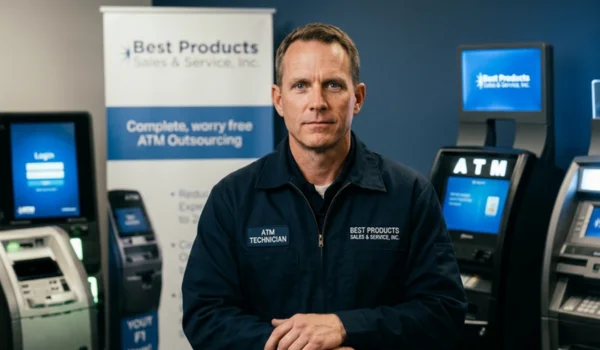
Foot traffic often increases when a business offers an on-site ATM, since customers appreciate not having to leave the premises to withdraw cash. This is especially true for businesses in cash-heavy industries like convenience stores, bars, restaurants, and event venues. Beyond convenience, ATM ownership can generate passive income through surcharge fees charged per transaction, which can add up depending on transaction volume.
Costs Involved in Purchasing an ATM
The price of an ATM machine varies based on features, capacity, and brand. Basic models designed for low-traffic locations tend to cost less, while higher-capacity machines built for busy retail environments come with a higher price tag. Beyond the initial purchase, owners should budget for installation, cash loading, network connectivity fees, and routine maintenance. Some businesses choose to finance their purchase, spreading the cost over time rather than paying the full amount upfront.
Key Factors to Evaluate Before Purchasing
- Location traffic is one of the most important considerations. High-traffic areas typically generate more transactions, which translates to more surcharge revenue and a faster return on investment.
- Cash logistics also matter. Owners need a plan for keeping the machine stocked with cash, whether that means handling replenishment themselves or working with a cash management service. Running out of cash frequently can frustrate customers and reduce the machine’s usefulness.
- Compliance and security requirements should not be overlooked. ATMs must meet certain regulatory standards, including encryption requirements and physical security measures, to protect both the business and its customers from fraud or theft.
Maintenance and Support Considerations
Owning an ATM isn’t a completely hands-off investment. Machines require regular servicing to remain operational, including software updates, hardware inspections, and receipt paper replacement. Choosing a machine from a reputable supplier often means better access to technical support when issues arise, which can minimize downtime and lost transaction revenue.
Businesses should also consider how quickly repairs can be arranged if a machine malfunctions. Extended downtime not only means lost surcharge income but can also inconvenience customers who rely on the machine.
Weighing the Investment Against the Returns
Before deciding to buy ATM machine equipment, it helps to calculate a realistic estimate of expected transaction volume based on foot traffic and comparable businesses in the area. This figure, combined with the surcharge fee set for each withdrawal, gives a clearer picture of how long it might take to recover the initial investment. Businesses in high-traffic areas with limited nearby ATM access often see faster returns compared to those in locations already saturated with cash access points.
Making an Informed Decision
Choosing to buy ATM machine equipment is a decision that benefits from careful planning rather than impulse buying. Understanding the full scope of costs, from purchase price to ongoing maintenance, helps business owners set realistic expectations about profitability. Location, foot traffic, and cash logistics all play a role in determining whether an ATM will be a valuable addition to a business or an underused asset.
Final Thoughts
Adding an ATM can be a smart move for businesses that see consistent foot traffic and want to offer added convenience to customers. Taking the time to research equipment options, calculate potential returns, and plan for ongoing maintenance sets the foundation for a worthwhile investment. For those exploring a retail ATM setup, working through these considerations early can help ensure the equipment serves both the business and its customers effectively over the long term.
 Meghna Sharma