 By TBLTeam
 Every Indian town has that one corner where a wine shop sits with a long queue outside, especially after 6 pm. The crowd is mostly men in a hurry, returning from work, stopping by before heading home. What most people do not notice is that this small spot is one of the busiest footfall zones in any neighbourhood.
Smart business owners in India have understood this for years. A wine shop brings daily, repeat, cash-paying customers who rarely leave empty-handed. Any small shop next to it gets a share of that traffic without spending a rupee on marketing.
If you have a space near a wine shop or are planning to rent one, here are five practical business ideas that genuinely earn money in Indian conditions in 2026.
1. Snacks and Namkeen Counter
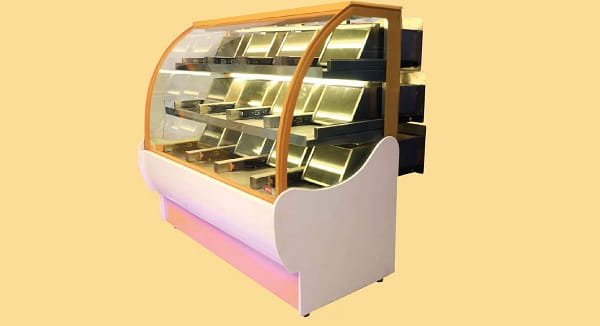
A small snack counter selling peanuts, masala chana, roasted kaju, boiled eggs, chicken lollipops, kebabs, and chips is the most obvious yet most profitable idea next to a wine shop. Customers almost always want something to eat with their drink.
Why it works in 2026: Food inflation has made packaged chakna expensive, so customers prefer freshly made, cheap snacks. A plate of hot peanuts or fried fish at ₹50 sells faster than any fancy item. Evening rush hours alone can clear most of your daily stock.
Investment: Around ₹40,000 to ₹80,000 for a basic counter, frying setup, steel bowls, gas cylinder, and first-week raw material.
How to start: Rent a 6×8 feet space or a small pushcart. Get an FSSAI licence, which is simple and online. Keep a short menu of four to six items. Use paper plates and tissue. Accept UPI.
Expected income: ₹30,000 to ₹1 lakh per month based on location and footfall.
Risks: Late-night fights near wine shops can disturb business. Local police sometimes demand shutdown after 10 pm. Oil and gas prices can shrink margins.
2. Paan, Cigarette, and Mouth Freshener Shop
A small paan shop next to a wine shop is the oldest business combination in India. Customers want a cigarette, a paan, or a mint before they go home, and most are repeat visitors.
Why it works in 2026: Even with anti-tobacco campaigns, demand is steady. Paan shops also sell cold drinks, chocolates, chewing gums, phone recharges, and lighters. One customer often buys three to four items in a single visit.
Investment: ₹50,000 to ₹1 lakh for glass display, stock, fridge for cold drinks, and deposit for the shop space.
How to start: Get a trade licence and a separate tobacco licence from your state. Source paan leaves from local markets daily. Keep best-selling cigarette brands always in stock. Add phone recharge and Paytm services to earn extra commissions.
Expected income: ₹35,000 to ₹1.2 lakh per month depending on area.
Risks: Tobacco rules change often, so stay updated. Surprise inspections are common. Keep billing honest and visible.
3. Quick Dinner Parcel Point
Many customers leaving a wine shop also need to pick up dinner before going home. A small parcel-only kitchen selling biryani, chicken curry, rotis, fried rice, and egg dishes can do strong business from 7 pm to 11 pm.
Why it works in 2026: Working-class families eat outside food two to three times a week. Parcel-only kitchens save rent because no seating is needed. Platforms like Swiggy and Zomato add online orders on top of walk-in sales.
Investment: ₹80,000 to ₹1.5 lakh for a small kitchen setup, utensils, packaging, fridge, and first-month raw material.
How to start: Get an FSSAI licence and a shop licence. Keep a simple menu of six to eight items. Use sealed, leak-proof boxes. Offer combo meals at round-figure prices like ₹100, ₹150, and ₹200. List on Swiggy and Zomato after two weeks of walk-in sales.
Expected income: ₹40,000 to ₹1.5 lakh per month.
Risks: Food quality complaints spread fast. Non-veg raw material has short shelf life, so daily purchase is essential. Power cuts can spoil an entire day’s stock.
4. ATM and Digital Services Kiosk
Many wine shops still operate partly on cash, and customers often need an ATM or UPI cash-out service nearby. A small digital services kiosk offering ATM access, mobile recharge, bill payments, Aadhaar updates, and printouts can become a daily-visit shop.
Why it works in 2026: Rural and semi-urban India still runs heavily on cash despite UPI growth. Common Service Centres and bank correspondents earn commission on every transaction. Customers near wine shops need quick cash, and they are ready to pay a small fee for convenience.
Investment: ₹60,000 to ₹1.2 lakh for a basic setup including a computer, printer, biometric scanner, CCTV, and initial deposit with banking partners.
How to start: Apply for a CSC VLE ID on the Digital India portal. Partner with a White Label ATM operator or a banking correspondent network. Offer services like mobile recharge, bill payments, train bookings, and passport form filling alongside.
Expected income: ₹25,000 to ₹80,000 per month based on transaction volume.
Risks: Cash handling brings theft risk, so install CCTV and a small safe. Server downtime affects daily income. Commission rates keep reducing every year.
5. Ice, Soda, and Cold Beverage Stall
Every single person stepping out of a wine shop needs cold water, ice, soda, or a soft drink to go along. A small fridge-based stall selling chilled bottles, ice cubes, soda, lemon, and mixers can run with minimal effort.
Why it works in 2026: India’s summers are getting longer and hotter every year. A cold drink at the right spot sells faster than any other product. Ice packs for parties and small events add weekend income.
Investment: ₹50,000 to ₹80,000 for two deep freezers, a small counter, first stock, and licence fees.
How to start: Get a cold drink distributor tie-up with Coca-Cola, Pepsi, or Bisleri. Stock local soda brands for higher margins. Keep cut lemon, mint, and small ice cubes ready. A simple banner saying ‘Ice and Soda’ pulls attention from far.
Expected income: ₹20,000 to ₹70,000 per month, with summers being your best season.
Risks: Electricity bills are high due to freezers. A power cut of a few hours can melt stock. Winter sales drop sharply in north India.
Tips to Run a Business Near a Wine Shop Successfully
Keep your shop open during peak wine shop hours, mostly 5 pm to 11 pm. Do not argue with drunk customers. Stay polite, serve quickly, and send them off with a smile. Build a small relationship with the wine shop owner because many customers trust their suggestions. Keep your area well lit and clean, since a messy shop loses evening footfall fast. Accept UPI on a visible QR code. Cash counting at night is risky.
Common Mistakes to Avoid
Do not copy the menu or product list of every other shop on the street. Find one or two items that customers remember you for. Avoid giving credit to regulars, as recovering money from drunk customers is almost impossible. Do not skip licences and FSSAI registration. A single inspection can shut your shop. Never store alcohol in your own premises unless you have an alcohol licence, because this is a serious legal offence in most states.
Conclusion
A wine shop may look like just another liquor store, but for a smart businessman it is a daily stream of ready customers. You do not need a big brand or a fancy showroom to earn from that footfall. A clean counter, a fair price, and quick service are enough.
If you have the right space and the patience for evening hours, this is one of the most honest and steady small businesses India offers in 2026. Pick the idea that fits your skill, get your paperwork done, and open your shutter. The customers are already walking past your door.
FAQs
Q1. Is it legal to run a shop right next to a wine shop in India?
A: Yes, most businesses like snacks, paan, groceries, and food parcels are fully legal. Only alcohol sales need a separate state licence. Always check local municipal rules before renting.
Q2. Which business makes the fastest money near a wine shop?
A: A snack and namkeen counter usually earns from day one because customers always want chakna. Paan shops follow close behind.
Q3. What are the best timings for such a business?
A: Evening 5 pm to 11 pm is the peak. Lunch hours add some sales for food shops, but the real money comes after office hours when wine shops get crowded.
Q4. Can women safely run a business near a wine shop?
A: Possible but depends on location. Busy main roads with good lighting and CCTV are safer. Many women successfully run food parcel and digital services kiosks with family support or a trusted helper.
Q5. How much rent is reasonable for such a shop space?
A: Rent varies wildly. A small 100 square feet space in a Tier-2 city costs ₹8,000 to ₹20,000 a month. In metros near busy wine shops, rent can cross ₹40,000. Always sign a written agreement.