 By TBLTeam
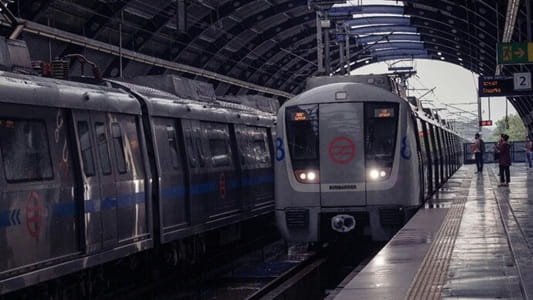
 Metro rail has quietly rewritten the map of urban India. Delhi, Bengaluru, Hyderabad, Chennai, Kolkata, Mumbai, Kochi, Lucknow, Nagpur, Jaipur, and now even smaller cities like Kanpur and Agra have metro lines either running or under construction. Every single day, crores of Indians travel through metro stations, making it the fastest way to move through a crowded city.
Spend an hour standing outside any busy metro gate and a clear pattern emerges. People come out in waves, every few minutes, matching the train schedule. They are in a hurry. They are hungry. They need autos, juices, mobile chargers, quick snacks, and sometimes just a clean place to sit for five minutes. A metro station is not simply a travel point. It is a curated stream of high-intent customers arriving every few minutes, from morning till late night.
Here are five business ideas that genuinely work near a metro station in Indian conditions in 2026.
1. Quick Grab-and-Go Food Counter
A small food counter selling momos, sandwiches, idli-vada, poha, rolls, burgers, and cold drinks right next to a metro exit is one of the most profitable businesses in urban India. Commuters have 10 to 15 minutes to eat something before reaching office or home, and quick, tasty, affordable food always wins.
Why it works in 2026: Metro commuters follow strict schedules. They skip breakfast at home and grab something near the station. They skip dinner prep and pick up quick bites on their way home. Office workers, college students, and gig workers all form a daily customer base. A focused menu with fast service and ₹50 to ₹150 pricing hits the sweet spot.
Investment: ₹1.5 lakh for a well-designed food cart or small shop counter with gas setup. ₹80,000 for frying, grilling, and storage equipment. ₹1 lakh for shop deposit and renovation. ₹50,000 for branding, menu boards, and signage. ₹40,000 for FSSAI and municipal licences. ₹80,000 working capital. Total under ₹5 lakh.
How to start: Find a spot within 50 metres of a metro gate, ideally on the exit side. Get FSSAI registration and a municipal vending or shop licence. Keep a short menu of 8 to 10 items that can be prepared in under 3 minutes. Hire one cook and one helper for peak hours between 8 am to 11 am and 6 pm to 10 pm. Accept UPI from day one.
Expected income: ₹60,000 to ₹2 lakh per month depending on metro station footfall.
Risks: Municipal drives against unauthorised stalls can be disruptive. Monsoon affects open stalls. Staff shortages during festivals disrupt service.
2. Mobile Phone Accessories and Quick Repair Shop
A shop selling mobile phone covers, chargers, earphones, screen guards, power banks, and offering 30-minute repairs is a high-margin business near any metro station.
Why it works in 2026: Commuters damage screens, lose chargers, and run out of phone battery almost daily. A phone is now as essential as a wallet, and anything related to its health becomes urgent. Metro commuters happily pay ₹200 to ₹2,000 for immediate fixes instead of waiting till weekend service centre visits. Power bank rentals, charging stations, and quick tempered glass fitting add hourly income.
Investment: ₹2 lakh for initial stock of accessories, chargers, earphones, and covers. ₹1 lakh for repair tools, screen replacement kits, and testing equipment. ₹80,000 for shop deposit and interior. ₹50,000 for glass display and counter. ₹40,000 for branding and licences. ₹80,000 working capital. Total under ₹6 lakh.
How to start: Rent a 100 to 150 square feet shop within 200 metres of a metro gate. Get GST and trade licences. Hire one trained mobile technician, or learn basic repairs yourself. Stock fast-moving accessories for iPhone, Samsung, Xiaomi, and OnePlus. Offer 30-minute tempered glass fitting, battery replacement, and charging port repair. Accept UPI and cards.
Expected income: ₹50,000 to ₹1.8 lakh per month.
Risks: Technology changes fast, making old stock redundant. Fake parts are a legal and reputation risk. Skilled technicians often leave after training to start their own setups.
3. Juice, Smoothie, and Fresh Beverage Bar
A fresh juice and smoothie bar at a metro exit captures a steady daily crowd. Early morning commuters want quick nutrition. Evening commuters want something refreshing after a tiring day. Office-goers walking from the metro to their offices pick up coconut water, buttermilk, or cold-pressed juice as a healthy alternative to aerated drinks.
Why it works in 2026: Urban Indians are consciously moving away from sugary cola drinks towards fresh fruit juices, sugarcane juice, nariyal paani, and smoothies. A well-priced, hygienic juice bar at ₹40 to ₹150 per drink captures strong daily volume. Seasonal fruits like mango, watermelon, and orange bring extra summer income.
Investment: ₹1.5 lakh for commercial juicers, blenders, refrigerator, and sugarcane machine. ₹80,000 for stock of fruits, ice, cups, and flavours. ₹1 lakh for shop deposit and counter setup. ₹50,000 for branding and signage. ₹40,000 for FSSAI and trade licences. ₹80,000 working capital. Total under ₹5 lakh.
How to start: Rent a small corner shop or cart space within walking distance of the metro gate. Get FSSAI and municipal licences. Build a menu of 10 to 12 fast-moving juices and smoothies. Hire one helper for peak hours. Maintain spotless hygiene, as juice customers judge cleanliness strictly. Accept UPI and display clear pricing.
Expected income: ₹50,000 to ₹1.5 lakh per month, with summer peaks much higher.
Risks: Fruit prices fluctuate with seasons. Monsoon and winter months see lower juice sales in North India. Hygiene complaints can shut down a juice business fast.
4. Last-Mile Two-Wheeler Rental and E-Bike Service
A two-wheeler rental service offering scooters and e-bikes for last-mile commuting from metro stations is a growing business in India’s bigger cities.
Why it works in 2026: Most metro stations leave commuters 1 to 3 km away from their final destination, which is too short for autos and too long for walking. Services like Yulu, Bounce, and Vogo have proven the concept in Bengaluru, Delhi, and Hyderabad. A private rental service with 15 to 20 electric scooters captures this daily commuter segment at ₹10 to ₹30 per ride. Monthly subscription plans bring steady income.
Investment: ₹8 lakh for 15 to 20 electric scooters or small two-wheelers. ₹1.5 lakh for charging station setup and electricity connection. ₹1 lakh for parking plot deposit. ₹1 lakh for branding, app listing, and helmet stock. ₹50,000 for licences and insurance. ₹1 lakh working capital. Total within ₹13 lakh.
How to start: Partner with Yulu, Bounce, or Royal Brothers as an authorised franchisee, or start independently with your own app and parking plot. Get commercial vehicle permits from the state RTO. Install GPS tracking on every vehicle. Hire one supervisor and one cleaning staff. Target metro stations near IT parks, colleges, and large residential areas.
Expected income: ₹70,000 to ₹2.5 lakh per month.
Risks: Theft and vandalism are real concerns. Battery maintenance for e-bikes is a recurring cost. Customer verification must be strict to avoid rental misuse.
5. Compact Coworking Space and Phone Booth Cabin
A small coworking space with hot desks, private cabins, phone booths, and fast Wi-Fi right next to a metro station is a fresh business category growing fast in India.
Why it works in 2026: Remote work and hybrid work culture is now permanent. Freelancers, startup founders, salespeople, and gig workers need a quiet, professional place to take video calls, meet clients, or finish deadlines without going all the way to a home office. A metro-connected coworking space saves them 30 to 60 minutes of daily commute. Hourly, daily, and monthly passes all bring different customer segments.
Investment: ₹5 lakh for furniture, desks, chairs, and cabin partitions. ₹3 lakh for property deposit and renovation. ₹2 lakh for Wi-Fi routers, printers, scanners, and AC setup. ₹1 lakh for branding, signage, and online booking setup. ₹50,000 for licences. ₹1 lakh working capital. Total within ₹12.5 lakh.
How to start: Rent a 1000 to 1500 square feet commercial space within 200 metres of the metro exit. Get GST, trade licence, and fire NOC. Offer hourly passes at ₹100, day passes at ₹300, and monthly packages at ₹4,000 to ₹6,000. Include coffee, tea, and printing in premium plans. List on WorkN, myHQ, and Google Maps from day one.
Expected income: ₹80,000 to ₹2.5 lakh per month once the member base builds.
Risks: Initial occupancy takes time to build. Competition from larger brands like WeWork, Awfis, and Smartworks exists. Electricity and internet outages directly impact customer experience.
Tips to Run a Metro Station Business Successfully in India
Study the metro timings carefully because peak hours are your golden hours. Most metros run heaviest traffic between 7 am to 11 am and 5 pm to 10 pm. Position your shop on the exit side of the gate rather than the entry side, because commuters spend when leaving the station, not when rushing in. Keep your shop design simple and quick-access, because commuters have limited time and attention. Accept UPI and all cards, since carrying cash is rare among metro users. Build a clean, visible Google Maps profile with photos, because metro riders often search for nearby services on their phones during the ride. Partner with apps like Swiggy, Zomato, and Urban Company to capture orders from commuters before they even reach the exit.
Common Mistakes to Avoid
Do not try to sell slow, experience-based products at a metro location. Commuters want speed, not leisure. Avoid choosing a shop on the wrong side of a one-way road or on the entry side instead of the exit side, because footfall differences are drastic. Never skip FSSAI, GST, and trade licences because metro-area inspections happen regularly. Do not copy the exact menu or product mix of nearby shops. Find one thing that sets you apart, even if small. And never ignore cleanliness standards, because metro commuters judge shops by first glance, not by reputation.
Conclusion
A metro station is one of the rare business zones in India where the customer stream is predictable, constant, and urgent. Every few minutes, a fresh wave of buyers walks out looking for food, transport, repairs, or a quiet corner to work. Small businesses that understand this rhythm and deliver with speed and honesty can build loyal daily customers who pass by year after year.
The five ideas above are not speculative ventures. They are working businesses that smart entrepreneurs are running at metro exits across every major Indian city in 2026. Pick the one that fits your budget, your energy level, and the specific station you want to target. Complete your paperwork seriously. Invest in speed, cleanliness, and visibility. Build your reputation one rushed commuter at a time.
A well-run metro station business in 2026 does not just earn money. It becomes part of the daily city rhythm, quietly feeding, charging, transporting, and supporting thousands of urban Indians on the move. That silent, steady role in everyday life is what makes these businesses one of the most rewarding ventures in modern urban India.
FAQs
Q1. Is it legal to start a business right outside a metro station in India?
A: Yes. Businesses on private or commercial land outside the metro premises require only standard trade, GST, and FSSAI licences. Selling inside the metro premises or stations requires direct permission from the metro authority, which is rare and expensive.
Q2. Which metro station business makes money the fastest?
A: A quick food counter and juice bar earn from the first week because demand is immediate and daily. Coworking spaces and rental services take three to six months to build regular clientele.
Q3. Which metro cities are best for starting such businesses?
A: Delhi NCR, Bengaluru, Hyderabad, Mumbai, Chennai, and Kolkata have the highest footfall. Rapidly growing networks in Pune, Kochi, Lucknow, Nagpur, and Jaipur offer lower rent and less competition.
Q4. What is the best type of metro station to set up near?
A: Interchange stations, stations near IT parks, stations near educational hubs, and stations close to residential clusters see the highest daily footfall. Avoid quieter stations with mostly pass-through traffic.
Q5. How much rent should I expect for a shop near a metro station?
A: Rent near busy metro stations is 40 to 80 percent higher than regular commercial rent. A 150 square feet shop near a prime station can cost between ₹30,000 to ₹1.2 lakh a month, depending on the city.
 Meghna Sharma