 By TBLTeam
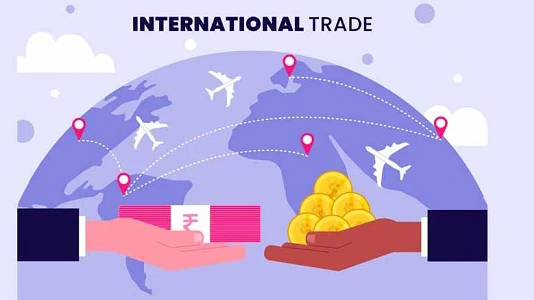
 International trade means buying and selling goods and services across national borders. No country in the world is completely self-sufficient today. Even large economies depend on other nations for raw materials, technology, food items, fuel, or specialized services. Because of this interdependence, international trade has become a key pillar of the global economy.
At the same time, international trade is not free from problems. While it creates opportunities for growth and development, it can also cause inequality, dependency, and economic instability. To understand its real impact, it is important to study both its advantages and disadvantages in detail.
Advantages of International Trade
1. Better Use of Resources
Countries differ in climate, natural resources, labor skills, and technology. International trade allows each country to specialize in producing goods and services in which it has an advantage.
For example, some countries are rich in minerals, while others have fertile land or skilled labor. By focusing on what they can produce efficiently and trading for the rest, resources are used in the best possible way.
2. Access to a Wider Variety of Goods
International trade gives consumers access to goods that are not available locally. People can enjoy foreign food items, electronics, clothing, medicines, and luxury products.
This improves the standard of living and provides more choices at competitive prices.
3. Lower Prices for Consumers
When countries import goods from places where they can be produced at a lower cost, prices fall. Competition from foreign producers also forces domestic companies to reduce prices and improve quality.
As a result, consumers benefit from affordable and better products.
4. Expansion of Markets
Domestic markets are often limited in size. International trade opens up global markets for businesses, allowing them to sell to millions of customers across countries.
This helps firms increase production, earn higher profits, and grow faster.
5. Economic Growth and Development
International trade contributes directly to economic growth. Exports increase national income, create jobs, and generate foreign exchange.
For developing countries, trade acts as a powerful engine of growth by attracting investment and improving industrial capacity.
6. Transfer of Technology and Skills
Through trade, countries gain access to advanced technology, machinery, and technical knowledge. Importing modern equipment improves productivity and efficiency.
Trade also encourages skill development, innovation, and better management practices.
7. Employment Generation
Export-oriented industries create large-scale employment opportunities. As production increases to meet international demand, more workers are needed in manufacturing, logistics, finance, and services.
This helps reduce unemployment and poverty.
8. Strengthening International Relations
Trade promotes cooperation and mutual dependence among countries. Economic ties often lead to stronger diplomatic relations and peaceful cooperation.
Countries that trade heavily with each other are less likely to engage in conflicts.
Disadvantages of International Trade
1. Harm to Domestic Industries
Domestic industries may suffer when cheap foreign goods flood the market. Small and local producers often cannot compete with large international firms.
This can lead to factory closures and job losses in certain sectors.
2. Overdependence on Other Countries
Excessive reliance on imports can make a country vulnerable. If supply chains are disrupted due to wars, pandemics, or political tensions, essential goods may become unavailable.
This dependency can threaten economic and national security.
3. Trade Imbalance
When a country imports more than it exports, it faces a trade deficit. Persistent trade deficits can weaken the economy and lead to foreign debt.
Developing countries are especially vulnerable to this problem.
4. Exploitation of Labor
To remain competitive, some countries may exploit cheap labor. Workers may face low wages, poor working conditions, and lack of job security.
This creates social inequality and human rights concerns.
5. Environmental Damage
Increased production for export often leads to overuse of natural resources, pollution, and environmental degradation.
Developing countries may relax environmental rules to attract foreign buyers, causing long-term ecological damage.
6. Unequal Distribution of Gains
The benefits of international trade are not shared equally. Large corporations and developed countries often gain more, while small producers and poorer nations struggle.
This widens income gaps both within and between countries.
7. Cultural Impact
Global trade promotes uniform products and lifestyles, which may weaken local cultures, traditions, and small businesses.
Local identities can slowly fade under global commercial influence.
8. Economic Instability
Global markets are interconnected. Economic problems in one country can quickly spread to others through trade links.
Recessions, inflation, or currency crises can affect multiple economies at once.
International Trade and Developing Countries
For developing nations, international trade offers opportunities for growth, technology transfer, and employment. However, it also exposes them to intense competition and global price fluctuations.
Success depends on smart trade policies, investment in education, infrastructure development, and protection of vulnerable sectors.
Is International Trade Always Beneficial?
International trade is neither completely good nor completely bad. Its impact depends on how it is managed. Countries that diversify exports, strengthen domestic industries, and maintain balanced trade tend to benefit more.
Proper regulations, fair trade practices, and international cooperation are essential to reduce its negative effects.
Conclusion
International trade plays a vital role in shaping the modern global economy. It allows countries to use resources efficiently, access diverse goods, grow their economies, and strengthen global relationships. Consumers benefit from lower prices and better quality products, while businesses gain access to larger markets.
However, international trade also has serious disadvantages such as job losses in domestic industries, environmental damage, labor exploitation, and economic dependency. Without proper policies and regulation, these problems can outweigh the benefits.
Therefore, international trade must be carefully planned and balanced. When managed wisely, it can promote sustainable growth, shared prosperity, and global cooperation.
 Meghna Sharma