 By TBLTeam
 The cryptocurrency industry has introduced several innovative concepts that differ significantly from traditional finance. One such concept is token burning, a process used by blockchain projects to permanently remove a certain number of tokens from circulation. Token burns have become a common strategy among cryptocurrency projects aiming to manage token supply, support long-term ecosystem growth, and improve the economics of their digital assets.
While token burning is often associated with the possibility of increasing a token’s scarcity, it is important to understand that a burn does not automatically lead to a higher market price. The value of a cryptocurrency depends on multiple factors, including market demand, adoption, liquidity, investor sentiment, and the project’s overall utility. This article explains what token burning is, how it works, why projects use it, and what investors should know before evaluating a cryptocurrency that conducts token burns.
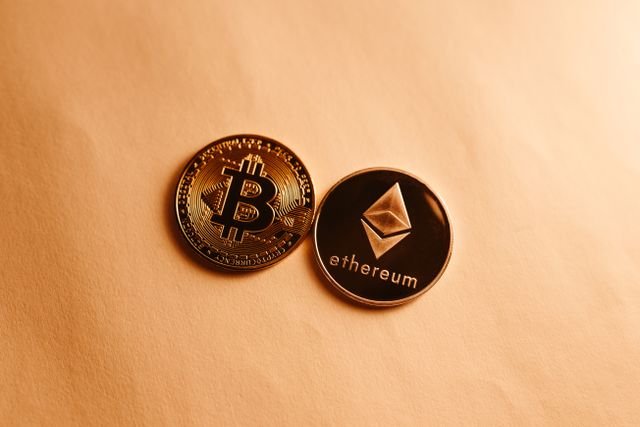
What Is Token Burning?
Token burning is the process of permanently removing cryptocurrency tokens from circulation by sending them to a blockchain address that cannot be accessed or controlled by anyone. This address is commonly known as a burn address or eater address because the tokens sent there cannot be spent, transferred, or recovered.
Once tokens are burned, the blockchain permanently records the transaction, making it transparent and verifiable by anyone. Because the private keys to the burn address are unavailable, the tokens are effectively destroyed and no longer contribute to the circulating supply.
How Does Token Burning Work?
The token burn process typically follows these steps:
- A blockchain project decides to burn a specific number of tokens.
- The tokens are transferred from a company wallet, treasury, or designated account to a burn address.
- The blockchain confirms the transaction.
- The burned tokens become permanently inaccessible.
- The circulating supply decreases accordingly.
Since blockchain transactions are immutable, token burns cannot be reversed after they are confirmed.
Why Do Cryptocurrency Projects Burn Tokens?
Projects conduct token burns for several strategic reasons.
Reduce Token Supply
The primary objective is to reduce the number of tokens available in circulation. By decreasing supply, projects aim to create a healthier balance between available tokens and market demand.
However, reduced supply alone does not guarantee an increase in value. Market demand must remain strong or continue growing for scarcity to have a meaningful effect.
Support Tokenomics
Tokenomics refers to the economic design of a cryptocurrency. Burning tokens can help improve token distribution and maintain a sustainable long-term supply model.
Some projects schedule regular burns as part of their economic framework, while others burn tokens only during specific events.
Reward Long-Term Holders
Some cryptocurrency communities view token burns as beneficial because they reduce overall supply without requiring existing holders to purchase additional tokens.
If demand remains stable or increases over time, a lower circulating supply may support the token’s long-term market dynamics. Nevertheless, this outcome is not guaranteed and depends on broader market conditions.
Increase Investor Confidence
Transparent token burn programs may demonstrate that a project’s team is committed to responsible supply management.
Publicly verifiable burns can increase trust among community members by showing that the project is following its announced roadmap and tokenomics.
Types of Token Burns
Different blockchain projects implement token burns in different ways.
Scheduled Burns
Some cryptocurrencies perform burns at fixed intervals, such as quarterly or annually. These burns are usually announced in advance and follow predetermined rules.
Transaction-Based Burns
Certain blockchain networks burn a small percentage of transaction fees. Every transaction permanently removes a portion of tokens from circulation, creating an ongoing reduction in supply.
Buyback and Burn
Some projects use a portion of their revenue or profits to purchase tokens from the open market and then permanently burn them.
This approach reduces circulating supply while demonstrating continued ecosystem activity.
Community Governance Burns
In decentralized projects, token holders may vote through governance mechanisms to approve future token burns as part of ecosystem management.
Advantages of Token Burning
Token burning offers several potential benefits.
Better Supply Management
Removing excess tokens may help prevent unnecessary inflation within a cryptocurrency ecosystem.
Transparent Blockchain Records
Since burn transactions are recorded on public blockchains, anyone can independently verify the number of tokens destroyed.
Stronger Tokenomics
Well-designed burn mechanisms can contribute to a more balanced and sustainable economic model over the long term.
Community Engagement
Regular burns often become important milestones that encourage community participation and reinforce interest in the project’s development.
Limitations and Risks
Although token burning has advantages, investors should also understand its limitations.
No Guaranteed Price Increase
One common misconception is that burning tokens automatically increases prices.
In reality, token value depends on many factors, including:
- User adoption
- Market demand
- Project development
- Competition
- Overall cryptocurrency market conditions
- Investor sentiment
A token burn without meaningful utility or demand may have little impact on long-term value.
Marketing Strategy
Some projects announce token burns primarily to generate publicity rather than improve the underlying ecosystem.
Investors should evaluate whether burns are supported by genuine business growth instead of relying solely on promotional announcements.
Reduced Liquidity
Large token burns may reduce market liquidity if circulating supply becomes too limited, potentially increasing price volatility.
How Investors Can Verify Token Burns
Before relying on burn announcements, investors should independently verify them.
Helpful steps include:
- Review the project’s official announcements.
- Check blockchain explorers for burn transactions.
- Confirm the burn address.
- Compare announced burn amounts with blockchain records.
- Understand whether future burns are part of the project’s roadmap.
Because blockchain data is publicly accessible, investors can often verify burn events without relying solely on marketing materials.
Token Burn vs. Coin Burn
The terms “token burn” and “coin burn” are often used interchangeably, but there can be a technical distinction.
- Coin burn generally refers to destroying native blockchain coins.
- Token burn usually refers to destroying tokens created on an existing blockchain platform.
In practice, both processes permanently remove digital assets from circulation using similar methods.
Things Investors Should Consider
Before investing in any cryptocurrency with a burn mechanism, ask the following questions:
- Does the project have real-world utility?
- Is the token burn transparent and verifiable?
- Is there genuine user adoption?
- Are developers actively building the ecosystem?
- Does the project have a sustainable tokenomics model?
- Is the burn mechanism clearly explained?
A token burn should be viewed as only one component of a project’s overall investment profile.
Conclusion
Token burning is an important mechanism used by many cryptocurrency projects to permanently reduce the circulating supply of digital assets. Whether performed through scheduled burns, transaction fee burns, buyback-and-burn programs, or governance decisions, the process is designed to support tokenomics and create a more sustainable economic model.
However, investors should avoid assuming that token burns automatically lead to higher prices or guaranteed returns. The long-term success of a cryptocurrency depends on multiple factors, including utility, adoption, development activity, security, and market demand. By understanding how token burning works and evaluating it alongside other fundamental indicators, investors can make more informed decisions and better assess the potential of blockchain projects within the evolving cryptocurrency ecosystem.