 By TBLTeam
 Yes, you can run a small home boutique without a trade license only in limited cases, but a regular commercial boutique usually needs local permission, trade licence, or Shops and Establishments compliance depending on your city and business model.
A home boutique looks like one of the most comfortable small businesses in India. You can start from one room, stitch clothes, sell sarees, take blouse orders, customise dresses, resell ethnic wear, handle Instagram orders, or serve local customers without taking a costly shop on rent. For many women, homemakers, designers, and small entrepreneurs, it feels like the perfect first step into business.
A very small home-based tailoring or boutique activity may run without a separate trade licence in some areas. But if your boutique becomes a regular commercial activity, your local municipal corporation may require a trade licence or similar business permission. A trade licence is generally a permission document issued by the local authority to carry on a particular trade or business under relevant rules, standards, and safety guidelines.
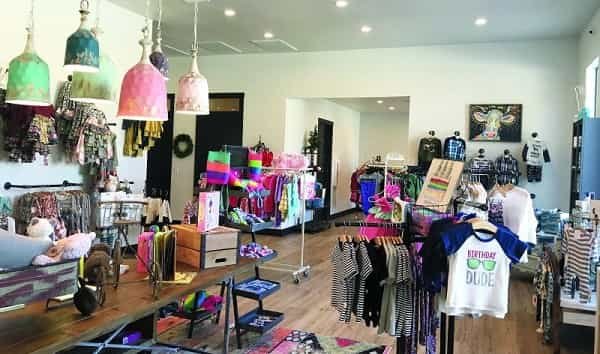
What Is a Home Boutique?
A home boutique is a small fashion-related business run from a residential premises. It may include stitching, alteration, blouse making, dress designing, boutique-style reselling, online clothing sales, custom ethnic wear, kidswear, bridal wear consultation, or made-to-order garments.
If you are only stitching clothes occasionally for neighbours, it may look like a small self-employment activity. But if you are keeping stock, receiving walk-in customers, hiring workers, putting up a signboard, advertising, taking online orders, and making regular sales, it becomes a proper business.
Is a Trade License Always Compulsory?
No, a trade licence is not always compulsory from day one for every tiny home boutique in India. But many cities and municipal bodies require businesses or trades within their limits to obtain a trade licence.
For example, Bhubaneswar Municipal Corporation describes a trade licence as a certificate that gives permission to carry on the particular trade or business for which it is issued, and it checks whether the business follows relevant rules and safety standards. Guwahati Municipal Corporation also states that a trade licence is essential for any business or trade in the Guwahati Municipal Area.
So, the correct answer is local. A home boutique in one city may need a trade licence, while another small home-based setup may need only basic tax and local compliance.
Trade License vs Shops and Establishments Registration
Many people confuse trade licence with Shops and Establishments registration. They are not exactly the same.
A trade licence is usually issued by the municipal corporation or local body. It gives permission to run a particular trade or business from a particular place.
Shops and Establishments registration is usually handled under the state labour department. It deals with working hours, employees, wages, holidays, leave, opening and closing rules, and basic labour conditions. Delhi’s labour department describes the object of the Shops and Establishments Act as giving minimum benefits and relief to employees in shops and establishments.
If your boutique has employees, helpers, tailors, sales staff, or regular workers, Shops and Establishments compliance may become more important.
Can You Use a Residential Flat or House for a Boutique?
This is one of the biggest issues. A boutique may not create the same risk as a restaurant or factory, but it can still disturb residential use if the activity becomes large.
A small tailoring room inside your house may be acceptable in many places. But a busy boutique with customer visits, signboards, parking issues, delivery boys, staff movement, fabric stock, trial room, and regular commercial activity may create objections.
You should check:
- Your housing society rules
- Your rent agreement
- Landlord permission
- Municipal zoning rules
- Local trade licence requirement
- Fire and safety concerns
- Neighbour disturbance
If you are living in a rented flat and the agreement says “residential use only,” running a boutique without permission can create trouble with the landlord. If you live in an apartment society, the society may object if customers frequently visit or if the business creates nuisance.
Do You Need Company Registration?
No, company registration is not compulsory for starting a small home boutique. You can run it as an individual or sole proprietor. Many small boutique owners start under their own name, use their PAN, maintain business records, and file income tax returns accordingly.
A private limited company or LLP is useful only when the business becomes bigger, has partners, wants investors, opens multiple branches, hires staff, or needs stronger brand structure.
Udyam registration is also available for MSMEs. The official Udyam portal states that one enterprise can file only one Udyam registration, though any number of manufacturing or service activities may be specified or added in one registration. It is not a substitute for trade licence, but it can help in MSME recognition.
GST Rules for a Home Boutique
GST is not compulsory for every home boutique from the first day. For suppliers of goods, CBIC’s GST update mentions a threshold of ₹40 lakh in many states and ₹20 lakh in specified states. For service providers, the threshold continues at ₹20 lakh, and ₹10 lakh in certain special category states.
If your home boutique sells clothes, readymade garments, dress material, or custom outfits, GST may apply after crossing the relevant turnover limit or in certain compulsory registration cases.
GST rates also depend on the item. CBIC’s GST rate FAQ mentions that readymade garments with sale value not exceeding ₹1,000 per piece attract 5% GST, while garments exceeding ₹1,000 attract 12% GST.
So, a small home boutique below the GST threshold may not need GST registration immediately. But once the business grows, GST compliance becomes important.
Selling Through Instagram, WhatsApp, or Website
Many home boutiques sell through Instagram, WhatsApp, Facebook, or their own website. This is legal, but basic compliance still matters.
You should keep proper bills, payment records, customer order details, courier receipts, return policy, and income records. If you sell through a marketplace or e-commerce platform, the platform may ask for GSTIN, PAN, bank account, business address, and other documents.
Even if you sell online, your business address still matters. If your home is used as the business location, local rules and society rules may still apply.
When Can Running Without Trade License Become Risky?
Running a home boutique without a trade licence can become risky when your city requires one and you ignore it. It can also create trouble if you put up a signboard, receive regular customers, employ workers, store large stock, disturb neighbours, operate from a rented flat without permission, or sell under a brand name without basic documentation.
The risk is higher if a neighbour complains, a municipal officer inspects, a customer files a complaint, or your landlord objects.
Practical Safe Way to Start
The safest method is to start small and clean. Check your municipal corporation website or local ward office. Ask whether a home-based boutique or tailoring business needs a trade licence. Get landlord or society permission if required. Keep invoices. Track income and expenses. Register for GST once applicable. Use original designs or properly sourced stock. Avoid copying designer labels, fake branded clothes, or counterfeit products.
A boutique may begin from home, but it should not look illegal, hidden, or careless.
FAQs
Q1. Can I start a blouse stitching business from home without a trade license?
A: You may be able to start a very small blouse stitching service from home without a trade licence if your local body does not require it. But if you run it regularly as a commercial business, take customers, advertise, or employ workers, check your municipal rules.
Q2. Can a housing society stop my home boutique?
A: Yes. A housing society can object if your boutique causes customer traffic, parking issues, noise, delivery movement, signboard disputes, or violates residential-use rules. Society permission is safer before scaling the business.
Q3. Is GST needed for a home boutique?
A: Not always. GST depends on turnover, type of supply, state, and selling model. Small sellers below the threshold may not need GST immediately, but GST becomes necessary after crossing the applicable limit or in certain compulsory registration situations.
Q4. Can I sell clothes from home on Instagram legally?
A: Yes, you can sell clothes from home on Instagram, but you should maintain records, avoid fake branded products, follow tax rules, mention clear prices and return terms, and check whether your local authority requires trade licence or business permission.
Q5. Do I need a trade license if I have no shop and only take online orders?
A: Maybe. Even if you do not have a shop, your home may still be treated as the business place if you store stock, pack orders, or run the boutique from there. The requirement depends on local municipal rules.
 Meghna Sharma