 By TBLTeam
 Indian Railways moves more than 2 crore people every single day. That is a number bigger than the population of many countries. Every railway station, from a small town halt to a major junction like Howrah, New Delhi, or Chennai Central, is a massive human traffic point. People arrive tired and hungry. They leave with luggage and uncertainty. They wait for hours between connecting trains. They drop off relatives and come back to pick them up.
What most people miss is that a railway station is not just a travel point. It is a round-the-clock marketplace with guaranteed footfall, regardless of the economy, weather, or festival calendar. Trains run on time or late, but they never stop running. For a small business owner, this is one of the most reliable locations in India to set up shop.
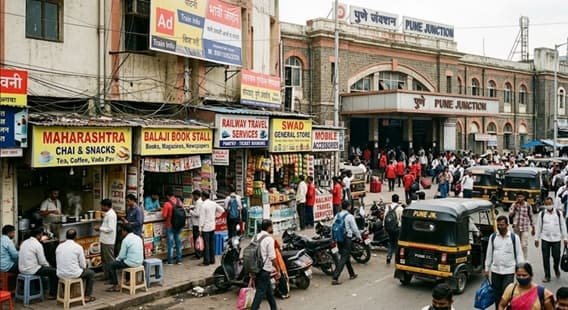
Here are five business ideas that genuinely work near a railway station in Indian conditions in 2026.
1. Budget Hotel and Retiring Room Alternative
A clean budget hotel or lodge within 500 metres of a railway station is one of the most profitable businesses in India. Passengers arriving on late night trains, families waiting for connecting trains, and pilgrims travelling between cities all need safe, cheap accommodation.
Why it works in 2026: Railway retiring rooms are always full and hard to book. Online travel platforms like OYO, MakeMyTrip, and Goibibo bring fresh customers daily. Station areas see 24-hour demand, with rooms turning over multiple times a day as different trains arrive and depart. Even ₹600 to ₹1200 per room can mean 30 to 40 room bookings a day in a busy station area.
Investment: ₹8 lakh for renovation of a rented property into 12 to 15 basic rooms. ₹3 lakh for beds, linen, geysers, fans, and furniture. ₹2 lakh for property deposit. ₹1.5 lakh for CCTV, reception setup, and fire safety. ₹1.5 lakh for branding and online platform listings. ₹2 lakh working capital. Total within ₹18 lakh.
How to start: Lease a building within walking distance of the main station gate. Register under state lodging rules and local police regulations. Install CCTV in all common areas. Hire one manager, two cleaners, and one night receptionist. List on Google Maps, OYO, and MakeMyTrip from day one. Keep proper check-in documentation as per police rules.
Expected income: ₹1 lakh to ₹3.5 lakh per month with steady occupancy.
Risks: Guest documentation failures can lead to police trouble. Property damage is a regular issue in low-budget lodging. Seasonal train cancellations can affect income for short periods.
2. Tea, Coffee, and Quick Snacks Stall
A small stall serving hot tea, coffee, samosas, vada pav, sandwiches, biscuits, and bottled water right outside a railway station is one of the oldest and most reliable businesses in India. Every passenger wants a tea before boarding or after arrival.
Why it works in 2026: Platform food is often overpriced, and passengers prefer outside stalls for better taste and prices. Auto drivers, coolies, porters, and rickshaw pullers are daily customers. A single stall doing 300 to 500 cups of tea a day at ₹15 each can clear solid monthly income without heavy overheads.
Investment: ₹80,000 for a stall cart, gas stove, milk container, and steel utensils. ₹50,000 for stock of tea leaves, coffee, sugar, snacks, and cold drinks. ₹70,000 for stall deposit and permission fees. ₹30,000 for signage, menu board, and basic branding. ₹20,000 for FSSAI and municipal licences. ₹50,000 working capital. Total under ₹3 lakh.
How to start: Get an FSSAI registration and a municipal street vending permit. Pick a spot near the main exit, the auto stand, or the parking zone. Keep a short menu of 8 to 10 fast-moving items. Hire one helper for peak hours between 7 am to 10 am and 6 pm to 10 pm. Accept UPI from day one, as cash is becoming rare.
Expected income: ₹40,000 to ₹1.5 lakh per month depending on station footfall.
Risks: Municipal drives against unauthorised stalls can be disruptive. Monsoon badly affects open stalls. Raw material price swings need careful daily planning.
3. Luggage Storage and Cloakroom Service
Most railway station cloakrooms are overcrowded, slow, and limited in space. A private luggage storage service near the station with lockers, safe storage, and quick access has become a growing business in Indian cities.
Why it works in 2026: Tourists, business travellers, and job seekers often need to store bags for a few hours while they explore the city or attend interviews. Railway cloakrooms have strict rules about lock types, luggage sizes, and timings. A private service with 24-hour access, digital lockers, and online booking fills this gap easily.
Investment: ₹3 lakh for digital lockers of various sizes and CCTV setup. ₹2 lakh for shop deposit and interior setup. ₹1 lakh for computer, billing software, and customer waiting area. ₹50,000 for branding, online listing, and signage. ₹50,000 for licences and insurance. ₹1 lakh working capital. Total under ₹8 lakh.
How to start: Pick a shop within 200 metres of the station entry gate. Register under trade licence and get proper insurance for stored goods. Offer hourly, daily, and weekly storage plans. List on Google Maps and travel apps like Bounce and Stasher. Install CCTV and biometric access for premium lockers. Keep one staff member available at all times.
Expected income: ₹50,000 to ₹1.5 lakh per month once tourist footfall builds.
Risks: Theft and lost goods claims need strong paperwork and insurance. Seasonal demand swings are real, especially in summer vacations. Maintaining 24-hour staff increases operating costs.
4. Mobile Recharge, Courier, and Photocopy Shop
A small multi-service shop offering mobile recharge, SIM card activation, courier booking, photocopy, printout, Aadhaar services, and passport photos is a steady business near any railway station.
Why it works in 2026: Passengers often realise at the last moment that they need a printout of a ticket, a form, or an ID copy. Travellers also book parcels and courier services, especially those who travel frequently on business. Rural customers coming to cities via train often need document services they cannot access in their villages.
Investment: ₹1.5 lakh for photocopier, printer, computer, and biometric scanner. ₹80,000 for shelves, glass display, and counter setup. ₹1 lakh for shop deposit. ₹50,000 for courier partnership deposits with Blue Dart, DTDC, or Shree Maruti. ₹40,000 for branding and signage. ₹30,000 for licences. ₹50,000 working capital. Total under ₹5 lakh.
How to start: Rent a shop near the station exit or auto stand. Apply for a CSC VLE ID to offer government services. Tie up with two or three courier companies as a local booking agent. Stock SIM cards from Jio, Airtel, and BSNL. Offer quick services like ticket printing, form filling, and PAN-Aadhaar linking.
Expected income: ₹40,000 to ₹1.2 lakh per month.
Risks: Commission rates from couriers and recharge companies keep dropping. Aadhaar and government services require strict data compliance. Courier complaints need fast resolution to protect reputation.
5. Parking, Two-Wheeler Rental, and Cab Booking Point
A paid parking service combined with two-wheeler rental and cab booking outside a railway station is a surprisingly profitable business. Travellers who come by train often need local transport, and those dropping people off need parking.
Why it works in 2026: Two-wheeler rental apps like Royal Brothers and Vogo have made short-term rentals popular, especially in tourist cities like Goa, Mysuru, Jaipur, and Pondicherry. Parking demand near stations is always higher than supply. A small plot with 50 to 100 vehicle parking slots, a small rental counter, and a cab booking desk combines multiple income streams under one setup.
Investment: ₹3 lakh for 10 to 15 rental two-wheelers including scooters. ₹3 lakh for land lease deposit for parking. ₹1.5 lakh for boundary fencing, sheds, and lighting. ₹1 lakh for billing counter, CCTV, and ticketing system. ₹1 lakh for branding and app listing setup. ₹50,000 for licences. ₹1 lakh working capital. Total within ₹11 lakh.
How to start: Lease a plot within 300 metres of the station. Get municipal parking licence and trade registration. Partner with Royal Brothers or Vogo for bike rental listings. Tie up with local cab drivers for a commission-based booking desk. Hire two parking attendants and one counter manager. Install a digital token and QR-code billing system.
Expected income: ₹60,000 to ₹2 lakh per month.
Risks: Bike damage during rentals needs strong customer verification. Local parking mafia can be a problem in some cities. Insurance and police paperwork are critical for rentals.
Tips to Run a Railway Station Business Successfully in India
Align your shop timings with train schedules, not regular market hours. Most stations have clear peak hours between 5 am to 10 am and 6 pm to 11 pm. Offer bright, visible signage that travellers with luggage can spot from a distance. Accept UPI for every transaction because passengers rarely carry exact cash. Build a good relationship with auto drivers, coolies, and station staff because they are your best word-of-mouth marketing. Keep essential items ready for emergency customer needs, like chargers, water, biscuits, and sanitary pads. Always display prices clearly to avoid last-minute arguments with tired travellers.
Common Mistakes to Avoid
Do not overcharge passengers just because they are in a hurry. Railway station areas have strong word-of-mouth and online reviews, and one unfair deal can kill your reputation. Avoid confrontation with unofficial agents, touts, and local operators. Handle every dispute through paperwork and police complaint, not arguments. Never skip FSSAI, GST, or municipal licences because station areas see regular government inspections. Do not depend only on one passenger type. Balance your services between locals, tourists, and long-distance travellers. And never operate without proper CCTV, because theft and dispute cases are higher near stations than regular markets.
Conclusion
A railway station is one of the rare business locations in India where the customer base renews itself every few hours. Every train brings a fresh batch of hungry, tired, and hurried people who need something immediate. Small businesses that understand this rhythm and deliver with honesty can run profitably for generations.
The five ideas above are not experimental startups. They are proven, working businesses that thousands of Indian entrepreneurs are running across every major and minor station in 2026. Pick the one that suits your skills, your budget, and the specific station you are near. Complete your paperwork carefully. Price fairly. Treat every traveller, no matter how rushed or frustrated, with patience.
A well-run business near a railway station in 2026 does not just earn money. It becomes part of countless travel memories, quietly serving India on the move. That is a quiet kind of success worth building.
FAQs
Q1. Is it legal to start a business right outside a railway station in India?
A: Yes, as long as you are outside the railway land boundary. Businesses on railway premises need a licence from the Indian Railways. Shops on private or municipal land near the station require only standard trade, GST, and FSSAI licences.
Q2. Which railway station business makes money the fastest?
A: A tea and snacks stall earns from the first day because the need is instant and daily. Budget lodges and luggage storage take two to three months to build reputation through online listings.
Q3. Do I need railway authority approval to operate nearby?
A: Not for businesses outside railway land. However, advertising on station premises, opening a stall inside the platform, or using the station name in branding requires railway approval.
Q4. Which type of railway station is best for business?
A: Junction stations with multiple train connections, tourist city stations, and pilgrimage stations like Varanasi, Haridwar, Tirupati, and Puri bring the highest footfall. Smaller halt stations often have limited commercial opportunity.
Q5. How much rent should I expect for a shop near a major station?
A: Rent near major stations is 40 to 70 percent higher than regular commercial rent. A 150 square feet shop near a big junction can cost between ₹25,000 to ₹1 lakh a month depending on the city.
 Meghna Sharma