 By Meghna Sharma
India’s biotechnology industry has entered a much bigger phase in 2026. The India Bioeconomy Report 2026 says the country’s bioeconomy reached $195.3 billion in 2025, up from about $165 billion in 2024. The sector now contributes close to 5% of GDP and is moving toward a $300 billion bioeconomy by 2030.
Healthcare is one of its strongest pillars. Indian companies are supplying vaccines worldwide, developing biosimilars for cancer and diabetes, building mRNA and recombinant-protein platforms, and providing research and manufacturing services to global drug developers. The companies below stand out for scientific capability, product depth, manufacturing scale, innovation and international reach.
1. Serum Institute of India
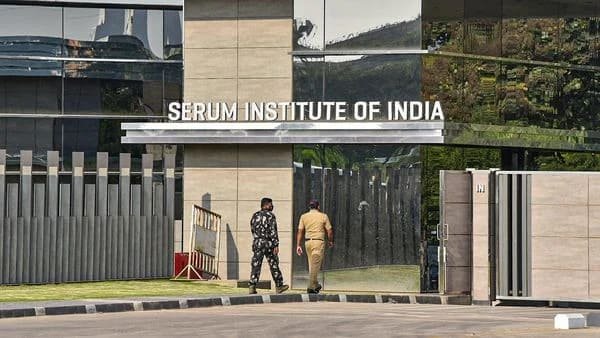
Serum Institute of India remains India’s strongest vaccine biotechnology company. The Pune-based firm is the world’s largest vaccine manufacturer by number of doses produced and sold, with more than 1.5 billion doses and supplies reaching around 170 countries. In July 2026, it also entered an agreement to manufacture the M72/AS01E tuberculosis vaccine candidate if Phase 3 results are successful. Its unmatched production scale and global public-health reach keep it at No. 1.
2. Biocon and Biocon Biologics
Biocon has helped make India a serious global biosimilars hub. Biocon Biologics has built a portfolio spanning insulin, monoclonal antibodies and recombinant proteins used in diabetes, oncology, immunology and ophthalmology. By 2026, it reported 20 biosimilars in its portfolio, 10 commercialised globally and more than six million patients served annually across over 120 countries. Its strength lies in taking complex biologics from research to global commercial markets.
3. Bharat Biotech
Hyderabad-based Bharat Biotech is one of India’s most research-driven vaccine companies. Its portfolio includes ROTAVAC, Typbar TCV, JENVAC, iNCOVACC and HILLCHOL. The company completed 30 years in March 2026 and has built strong indigenous capabilities in vaccine research, clinical development and manufacturing. Its work across rotavirus, typhoid, cholera and intranasal vaccine technologies gives it a scientific identity that goes well beyond any one product.
4. Zydus Lifesciences
Zydus Lifesciences combines pharmaceuticals with a growing biologics and vaccine business. A major milestone came in January 2026 when it launched Tishtha in India, described by the company as the world’s first biosimilar of nivolumab, an important cancer immunotherapy. Zydus also works in monoclonal antibodies, recombinant products and vaccines. Its research capability, manufacturing depth and large commercial network make it one of India’s most influential life-sciences companies.
5. Biological E
Biological E is one of India’s oldest major vaccine manufacturers. Founded in 1953 and based in Hyderabad, it supplies vaccines for domestic and international public-health programmes. In February 2026, the company received Phase II WHO prequalification for its novel oral polio vaccine type 2 manufacturing chain and said it had already supplied 700 million nOPV2 doses. Its high-volume manufacturing and WHO-qualified vaccine operations give it a strong place in Indian biotechnology.
6. Syngene International
Syngene International represents the research and manufacturing-services side of biotechnology. The Bengaluru-based CRDMO supports global pharmaceutical and biotech companies across discovery biology, chemistry, development and manufacturing. For FY2026, it reported about ₹3,738.7 crore in revenue from operations, around 400 active customers and 5,778 scientists. Its growing biologics capabilities make Syngene an important bridge between Indian scientific talent and global drug-development programmes.
7. Indian Immunologicals Limited
Indian Immunologicals Limited is a major biologicals company working across both animal and human health. It manufactures more than 150 products and operates one of the world’s large veterinary-vaccine plants. It also has a strong presence in rabies and paediatric vaccines. Its position is increasingly valuable as the One Health approach links animal health, zoonotic-disease control, food security and human health more closely.
8. Reliance Life Sciences
Reliance Life Sciences has built a broad biotechnology platform covering biosimilars, plasma proteins, novel proteins, clinical research, molecular medicine and regenerative medicine. Its work also extends to stem-cell therapies and tissue-engineered products. While less visible to consumers than India’s major vaccine brands, the company operates in advanced areas that could become more important as India moves toward complex biologics and regenerative therapies.
9. Panacea Biotec
Panacea Biotec combines vaccines, pharmaceuticals and research-led development. In June 2026, it announced the DENSTAR project to advance licensure and global access for DengiAll, its tetravalent live-attenuated dengue vaccine candidate. The company has also developed vaccine-adjuvant technology. Its continued investment in infectious-disease programmes keeps it relevant in a market where scientific differentiation is becoming more important than manufacturing scale alone.
10. Gennova Biopharmaceuticals
Pune-based Gennova Biopharmaceuticals stands out for its technology platforms. It develops recombinant biotherapeutics using bacterial, yeast and mammalian expression systems and has expertise in continuous biomanufacturing. Gennova says it has nine products in the market and has also developed an mRNA platform used for its COVID-19 vaccine technology. Its work in biosimilars, recombinant proteins and mRNA gives it strategic importance in India’s advanced-biotech push.
Conclusion
India’s biotechnology industry is becoming broader and more sophisticated. Vaccines remain a major strength, but the next phase of growth is also coming from biosimilars, monoclonal antibodies, contract research, advanced biomanufacturing, mRNA platforms and regenerative medicine. Serum Institute, Biocon and Bharat Biotech have the strongest global visibility today, while companies such as Syngene, Biological E and Gennova show how quickly the ecosystem is expanding.
FAQs
Q1. Which Indian biotechnology company has the biggest global vaccine presence?
Serum Institute of India has the largest global vaccine presence among Indian companies by production volume. Its vaccines are supplied to around 170 countries and are widely used in national immunisation programmes.
Q2. Which Indian company is strongest in biosimilars?
Biocon Biologics is currently India’s most internationally established biosimilars company, with products covering insulin and monoclonal antibodies used in diabetes, cancer, immunology and other major therapeutic areas.
Q3. Are all leading biotechnology companies in India vaccine manufacturers?
No. India also has biosimilar developers, contract research companies, veterinary-biological firms and regenerative-medicine businesses. Syngene International, for example, mainly supports other companies with research, development and manufacturing services.
Q4. What technologies could drive India’s biotechnology sector after 2026?
Biosimilars, mRNA platforms, cell and gene therapies, synthetic biology, advanced fermentation, bioinformatics and AI-supported drug research are likely to become increasingly important as Indian companies move into more complex technologies.