 By TBLTeam
 Yes, online cash prize esports can be legal in India, but only when it is a genuine skill-based esports tournament and not an online money game, betting model, or wager-based contest.
Esports has changed from a casual gaming hobby into a serious digital sports industry. Today, players compete in BGMI, Valorant, Free Fire MAX, FIFA, chess platforms, racing games, strategy games, and many other competitive formats. Many tournaments offer cash prizes, brand sponsorships, streaming deals, team contracts, and professional career opportunities.
Esports Is Recognised as a Legitimate Sport
The Indian government has clearly separated esports from gambling-style online money games. Esports is treated as organised competitive digital sports where individuals or teams participate in structured tournaments using skill, strategy, coordination, and decision-making.
The government’s online gaming framework recognises esports as a positive segment and says esports will be promoted as a legitimate competitive sport. It also says the Ministry of Youth Affairs and Sports will prepare guidelines and standards for tournaments.
This is a major point. It means esports itself is not illegal in India. Professional esports tournaments, team competitions, training academies, streaming events, and sponsor-funded prize pools can legally exist if they do not become betting or money-gaming products.
Cash Prize Is Not the Main Problem
Many people think that any game with a cash prize becomes gambling. That is not correct. A chess tournament can have prize money. A cricket tournament can have prize money. A coding competition can have prize money. Similarly, an esports tournament can also offer prize money.
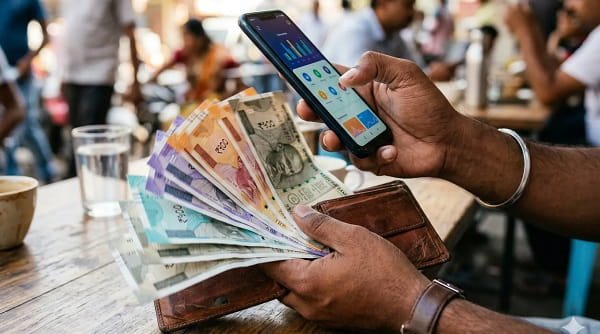
The legal problem begins when players are asked to deposit money, pay stakes, or join a cash contest mainly with the expectation of winning money from the pool. If the tournament becomes “pay entry fee and win cash from other players’ money,” it may look like an online money game.
A sponsor-funded esports event is much safer. For example, if a brand sponsors a BGMI or Valorant tournament and winners receive prize money from the organiser or sponsor, it is closer to a normal sports competition. But if every player pays ₹100, the platform collects ₹1 lakh, keeps commission, and distributes the rest as prize money, the risk becomes much higher.
Online Money Games Are Banned
India’s Promotion and Regulation of Online Gaming Act, 2025 and the 2026 Rules created a strong national framework for online gaming. The government says the law promotes esports and online social games, but imposes a complete ban on online money games. This applies whether the game is based on chance, skill, or a mix of both. It also prohibits advertising, promotion, facilitation, and payment processing linked to such games.
This is the biggest legal change for cash prize gaming. Earlier, many platforms relied on the “skill game” argument. But under the current framework, even a skill-based game can be risky if it involves financial stakes and monetary rewards.
So, esports organisers must be careful. Calling something “esports” will not automatically make it legal if the actual model is real-money gaming.
What Makes an Esports Prize Model Safer?
A legal esports tournament should look like a proper sports competition, not a betting app.
A safer model has these features: the game is skill-based, the tournament has fixed rules, the prize pool is funded by the organiser or sponsor, there is no betting, no wagering, no pooled player stake, no random cash contest, and no misleading promise of earning money. The organiser should also have proper age rules, anti-cheat systems, grievance handling, winner verification, tax compliance, and clear terms.
For example, “Free registration, top 3 teams win ₹50,000 sponsored prize” is safer than “Pay ₹50 and win up to ₹5,000 instantly.” The second model looks more like an online money game.
Paid Entry Fee Can Be Risky
This is where many esports organisers make mistakes. A small registration fee may look harmless, but if that fee is linked to prize eligibility, it can create legal risk.
If the organiser charges a fee only for administrative cost, venue cost, platform cost, or team verification, it should be clearly documented. The prize should not depend on the number of paid participants. The safer practice is to keep the prize pool sponsor-funded and fixed in advance.
If the entry fees are collected and then redistributed as prize money, the format becomes dangerous. It may be treated as money gaming, even if the game itself requires skill.
State Laws Also Matter
Gaming and gambling have historically been regulated by states in India. Different states have treated real-money gaming differently. Legal analysis of Indian gambling laws notes that some states, such as Telangana and Andhra Pradesh, have prohibited real-money online gaming including skill gaming, while other states have different frameworks or licensing models.
The 2025 central law and 2026 rules have created a national structure, but organisers should still be careful about where participants are located, where the company is based, and whether any local restrictions apply.
Supreme Court View on Betting and Wagering
In 2026, the Supreme Court backed the power of states to regulate or prohibit online gaming involving betting and wagering. The Court observed that even skill games can be regulated if they create public harm, and that betting or wagering attached to a game does not get the same protection as the game itself.
This makes the legal position clearer: skill is important, but money-staking changes the nature of the activity. A real esports event is safer. A cash-entry contest disguised as esports is not.
Tax on Esports Winnings
Prize money is taxable. The Income Tax Department says income from online games is taxable at a flat 30% under Section 115BBJ, and TDS under Section 194BA applies at 30% on net winnings at withdrawal or at the end of the financial year. The department also mentions that this applies to online games regardless of skill or chance and includes esports.
So, if an esports player wins money, the prize should be reported properly. Organisers may also have TDS obligations depending on the payment structure.
Advertising Rules for Cash Prize Esports
Esports ads should not look like gambling ads. Avoid lines like “earn daily income,” “guaranteed cash,” “play and become rich,” “instant money,” or “sure-shot winning.” These claims can attract advertising, consumer protection, and gaming law problems.
A safe esports ad should focus on competition, skill, tournament format, teams, prize pool, sponsor, rules, eligibility, and fair play.
FAQs
Q1. Can I organise a BGMI or Valorant tournament with cash prize in India?
A: Yes, it can be legal if it is a genuine esports tournament and the prize money is sponsor-funded or organiser-funded. Avoid betting, wagering, pooled entry fees, or formats where players deposit money mainly to win cash.
Q2. Can I charge entry fee for an online esports tournament?
A: It is risky if the entry fee is linked to prize money. If you charge a fee, keep it clearly for administrative or platform costs, and do not create a prize pool from participant payments. The safer model is free entry with sponsor-funded prizes.
Q3. Are esports tournaments different from fantasy gaming apps?
A: Yes. Esports is direct competitive digital sport where players or teams play the actual game. Fantasy gaming usually involves selecting virtual teams and winning based on real-world sports performance. Cash-based fantasy gaming now carries much higher legal risk under the online money gaming framework.
Q4. Do esports winners have to pay tax in India?
A: Yes. Esports winnings are taxable. Online game winnings are generally taxed at 30%, and TDS rules may apply depending on how the prize is paid. Winners should report prize income properly in their income tax return.
Q5. Can minors join cash prize esports tournaments?
A: This should be handled very carefully. Even where esports is permitted, organisers should avoid exposing minors to money-based competition. For youth tournaments, parental consent, age verification, non-money prizes, scholarships, medals, certificates, or sponsor-funded awards are safer.
 Meghna Sharma