 By TBLTeam
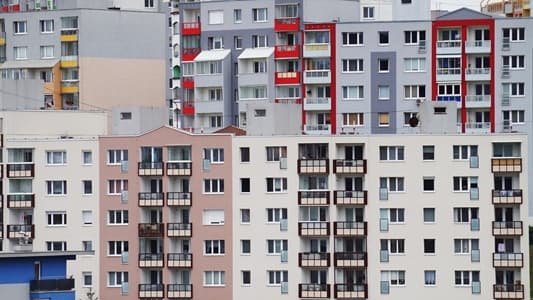
 Apartment living has quietly become the default way of life in urban India. From Gurgaon to Hyderabad, from Pune to Kochi, lakhs of families now live in gated societies, high-rise towers, and mid-sized residential complexes. A single apartment building with 200 flats holds roughly 800 to 1000 residents. Ten such buildings in a two-kilometre radius means a ready-made town of 10,000 people who eat, shop, and spend in the same area every single day.
Talk to any shopkeeper standing outside a residential society and they will tell you the same thing. An apartment cluster is one of the most stable customer bases in India. Unlike a market that depends on weekend crowds or a mall that sees seasonal swings, an apartment’s residents are there 365 days a year. They cook every evening. Their children need supplies. Their cars need washing. Their parcels need receiving. Each small need is a small business opportunity.
Here are five business ideas that genuinely work near an apartment complex in Indian conditions in 2026.
1. Daily Essentials and Grocery Store with Doorstep Delivery
A small kirana-style store stocking fresh vegetables, fruits, milk, bread, eggs, atta, oil, and daily household items, combined with free WhatsApp-based doorstep delivery, is one of the strongest apartment-side businesses in India.
Why it works in 2026: Quick commerce apps like Blinkit and Zepto cover metros well but often skip smaller cities and newer residential pockets. Even where they deliver, customers prefer a known local shop for fresh items and custom orders. Residents forget one or two items almost every day, and a shop that delivers within 15 minutes becomes indispensable. Monthly grocery subscriptions add predictable income.
Investment: ₹2 lakh for initial stock of groceries, vegetables, and household items. ₹1 lakh for shelves, fridge, and weighing scales. ₹1.5 lakh for shop deposit and renovation. ₹50,000 for a second-hand delivery scooter. ₹50,000 for billing software, signage, and GST registration. ₹50,000 working capital. Total under ₹6 lakh.
How to start: Rent a shop at the entrance of the society or within 200 metres. Get GST, FSSAI, and trade licences. Build a WhatsApp broadcast list of 300 to 500 nearby residents and share daily offers. Hire one helper and one delivery boy. Accept UPI and monthly credit accounts only for trusted families.
Expected income: ₹50,000 to ₹1.5 lakh per month.
Risks: Expired stock eats profits silently. Credit given to residents is difficult to recover. Vegetables and milk have daily wastage if not managed tightly.
2. Cloud Kitchen and Tiffin Service
A home-style food kitchen serving lunch and dinner tiffins to working professionals, bachelors, and elderly couples is a genuinely needed service around every apartment cluster in India.
Why it works in 2026: Dual-income couples, students in paying guest rooms, and elderly residents all struggle with daily cooking. Restaurant food is too oily for regular consumption. A simple, clean tiffin service at ₹100 to ₹150 per meal fills a daily need that neither restaurants nor Swiggy can match. Monthly subscriptions bring guaranteed income without marketing costs.
Investment: ₹2 lakh for kitchen equipment, chimneys, and gas setup. ₹1 lakh for tiffin carriers, packaging, and insulated bags. ₹1 lakh for kitchen space deposit. ₹80,000 for two delivery scooters. ₹40,000 for FSSAI and trade licences. ₹80,000 working capital. Total under ₹6 lakh.
How to start: Rent a small kitchen within 1 km of the apartment cluster. Get FSSAI registration, which is mandatory. Offer three meal types: regular home-style, Jain, and diet. Hire one cook and two delivery staff. Start with 20 to 30 subscribers and grow through resident WhatsApp groups. Deliver on time every single day, as tiffin customers are strict about timing.
Expected income: ₹60,000 to ₹2 lakh per month.
Risks: Food quality complaints spread fast in society WhatsApp groups. Raw material prices fluctuate weekly. Staff absence during festivals disrupts service.
3. Laundry, Dry Cleaning, and Ironing Service
A laundry and dry cleaning service with daily pickup and drop-off from apartments is a clean, low-complexity business with steady monthly income.
Why it works in 2026: Working couples rarely have time for washing, drying, and ironing. Premium apartments charge heavy rates for in-house laundry, pushing residents towards outside options. A service offering ₹8 per piece for ironing and ₹50 to ₹150 for dry cleaning captures daily volume. Saree rolling, winter wear cleaning, and curtain washing bring higher-value seasonal income.
Investment: ₹2 lakh for industrial washing machines, dryers, and dry cleaning machine. ₹1 lakh for ironing tables, racks, and packaging supplies. ₹1 lakh for shop deposit. ₹60,000 for a pickup and delivery scooter. ₹40,000 for branding, signage, and app setup. ₹50,000 working capital. Total under ₹6 lakh.
How to start: Rent a small shop in the commercial strip near the society. Partner with or independently run a mobile app for pickup bookings, or use a simple WhatsApp-based system. Hire two staff for washing and ironing. Offer monthly packages for families, such as 60 pieces ironing at ₹400. Maintain clear pricing and on-time delivery.
Expected income: ₹50,000 to ₹1.5 lakh per month.
Risks: Lost or damaged clothes claims need careful handling. Electricity and water costs are high. Quality issues on branded clothes can lead to heavy compensation demands.
4. Pet Care, Grooming, and Supplies Shop
Pet ownership in Indian apartments has exploded in the last five years. Dogs, cats, birds, and even rabbits are now part of middle-class households. A small pet shop offering food, grooming, accessories, and basic veterinary tie-ups is a fast-growing apartment-side business.
Why it works in 2026: Millennial and Gen Z families treat pets as family members, not accessories. Spending on premium food, grooming, toys, and healthcare has grown sharply. Apartments rarely have in-house pet services, so residents drive or walk to the nearest pet shop. Grooming services like bathing, nail trimming, and haircuts bring weekly footfall.
Investment: ₹2 lakh for initial stock of pet food, accessories, toys, and cages. ₹1 lakh for grooming setup including bathing station, clippers, and dryers. ₹1 lakh for shop deposit and interior. ₹50,000 for branding and signage. ₹40,000 for licences and GST. ₹80,000 working capital. Total under ₹6 lakh.
How to start: Rent a shop close to the society with walking access. Become an authorised reseller of brands like Royal Canin, Pedigree, Whiskas, and Drools. Tie up with a local vet for in-shop consultations twice a week. Offer a loyalty card for grooming services. Build Instagram presence with customer pet photos, which builds local trust quickly.
Expected income: ₹60,000 to ₹2 lakh per month after the first six months.
Risks: Pet food has expiry risk. Grooming accidents can cause reputational damage. Veterinary tie-ups need genuine qualified partners to stay legal.
5. Creche, Daycare, and After-School Activity Centre
A daycare or after-school centre that picks up children from nearby schools, feeds them, helps with homework, and engages them in creative activities is one of the most valuable services for apartment families.
Why it works in 2026: Both parents working is now the norm in urban apartment families. Joint families have shrunk, and most young couples have no elders at home to watch over children. A trustworthy, clean daycare with CCTV, nutritious snacks, and trained caregivers becomes a lifesaver. Parents happily pay ₹8,000 to ₹15,000 per month for quality care.
Investment: ₹1.5 lakh for child-safe furniture, mats, toys, and storage. ₹1.5 lakh for property deposit and renovation. ₹80,000 for CCTV, first aid, and kitchen setup. ₹60,000 for branding, pamphlets, and first ad campaigns. ₹40,000 for licences and staff training. ₹70,000 working capital. Total under ₹6 lakh.
How to start: Choose a ground-floor apartment or independent house near the society. Register under the local municipal body. Hire two experienced caregivers and one part-time teacher for activities. Install CCTV with parent phone access. Offer a free trial week to build the first 10 families. Focus on safety, cleanliness, and communication above all else.
Expected income: ₹50,000 to ₹1.8 lakh per month with 15 to 25 children.
Risks: Any safety incident spreads fast on society WhatsApp groups. Licensing rules for childcare are getting stricter every year. Staff reliability is the single biggest operational challenge.
Tips to Run a Business near an Apartment Successfully in India
Build genuine relationships with the society RWA, facility managers, and security guards. Their word-of-mouth reaches every flat faster than any advertisement. Join local apartment WhatsApp groups where permitted and contribute helpful information, not just promotions. Offer doorstep pickup and delivery wherever possible because apartment residents love convenience. Keep your pricing transparent and visible because society WhatsApp groups compare rates constantly. Accept UPI for every transaction. Maintain strict punctuality, especially for food and laundry services, as apartment customers schedule their entire day around delivery timings.
Common Mistakes to Avoid
Do not underestimate the power of a single bad review in a society group. One unhappy customer posting a complaint can cost you 20 potential clients within hours. Avoid over-extending credit to residents, even for small amounts. Stick to UPI and card payments. Never skip FSSAI, GST, and child safety licences, because apartment-area inspections are regular and strict. Do not offer services you cannot scale, especially during festivals when demand suddenly doubles. And never ignore the importance of building a personal connection with long-term residents. In apartment-side businesses, loyalty matters more than discounts.
Conclusion
An apartment complex is one of the most reliable business zones in India because its customers are not tourists, not seasonal shoppers, and not random walk-ins. They are families living the same life, every day, in the same building, for years at a time. The businesses that serve them honestly and reliably become part of their daily routine, and that bond rarely breaks.
The five ideas above are not fancy startup stories. They are quiet, working businesses that thousands of Indian entrepreneurs are running near every major residential cluster in 2026. Pick the one that matches your budget, your skills, and the specific society you want to serve. Finish your paperwork carefully. Focus on punctuality, cleanliness, and trust. Build your reputation one flat at a time.
A well-run apartment-side business in 2026 does not just earn monthly profit. It earns a place in the daily lives of hundreds of families who wave at you in the morning and order from you in the evening. That quiet, familiar presence is the real Indian small business success story worth building.
FAQs
Q1. Is it legal to start a business inside an apartment complex?
A: Most residential societies do not allow full-fledged commercial businesses inside the gated premises. However, services like tuition, daycare, and tiffin are often permitted if the RWA approves. For retail shops, you typically need to operate in the commercial strip outside or adjacent to the society.
Q2. Which apartment-side business gives the fastest return?
A: A grocery delivery store and a tiffin service usually earn from the first month because daily demand is immediate. Pet care and daycare take three to six months to build regular clientele.
Q3. How do I market my business inside an apartment cluster?
Word of mouth, resident WhatsApp groups, society notice boards, and Google Maps listings are the most effective channels. Small free samples or trial offers work better than cash discounts.
Q4. Do I need society permission to deliver inside an apartment?
A: Most societies require delivery partners to register with security. Food, laundry, and grocery businesses usually face no restrictions, but some premium societies control who enters. Always follow entry rules to avoid blocklisting.
Q5. Which cities are best for apartment-side businesses in 2026?
A: Fast-growing apartment hubs like Gurgaon, Noida, Bengaluru, Hyderabad, Pune, Thane, Kochi, and newer Tier-2 cities like Surat, Indore, and Coimbatore offer the strongest footfall and steady demand.
 Meghna Sharma