 By TBLTeam
 Rural India is no longer the sleepy, slow-moving countryside it was once imagined to be. In 2026, villages across Odisha, Madhya Pradesh, Uttar Pradesh, Bihar, Karnataka, and every other state are quietly becoming small economic engines of their own. Smartphones have reached almost every household. 4G and now 5G networks cover even remote panchayats. UPI runs in vegetable mandis and village tea stalls. Delivery services like India Post, Delhivery, and Shiprocket reach pin codes that were once impossible to serve. What was a disadvantage for rural business ten years ago has turned into a real opportunity today.
Walk through any large village or a semi-rural block headquarters and the change is obvious. Young men and women who once dreamed only of government jobs are now running dairy units, agri-input shops, mobile repair centres, and Amazon delivery points. Parents who once pushed children towards cities are now encouraging them to build something meaningful at home. Rural real estate is cheap. Labour is affordable. Government schemes like PMEGP, Mudra, Stand Up India, and state-specific rural entrepreneurship programs actively support first-time founders. The Indian village in 2026 rewards anyone willing to combine traditional knowledge with modern tools.
Here are five business ideas that genuinely work in village and rural conditions in India in 2026.
1. Dairy Farming and Milk Processing Unit
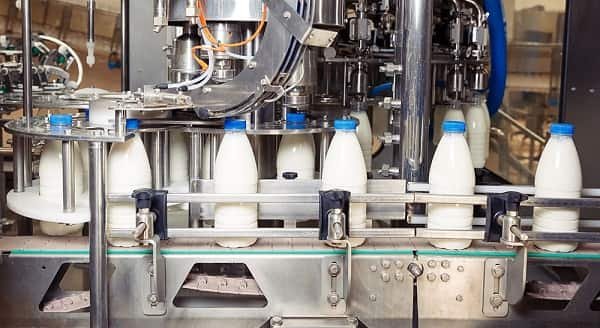
A small dairy farm with 10 to 20 cows or buffaloes, combined with a simple milk collection and processing setup, is one of the most reliable rural businesses in India. Milk, paneer, curd, ghee, and flavoured lassi have steady daily demand both in villages and nearby towns.
Why it works in 2026: Demand for fresh, unadulterated milk keeps rising as urban customers lose trust in packaged options. Organisations like Amul, Mother Dairy, and state-level cooperatives procure milk at stable rates from village dairy units. Selling directly to nearby towns adds higher margins. Subsidies under the National Livestock Mission and Dairy Entrepreneurship Development Scheme cover 25 to 33 percent of capital investment.
Investment: ₹3 lakh for 8 to 10 good quality cows or buffaloes. ₹1.5 lakh for shed construction and fodder storage. ₹80,000 for milking machines, chaff cutter, and fodder. ₹50,000 for veterinary care, insurance, and initial feed stock. ₹40,000 for licences, FSSAI, and cooperative registration. ₹80,000 working capital. Total within ₹7 lakh for a small starter dairy.
How to start: Register with the local dairy cooperative or milk union. Get FSSAI registration if processing milk into paneer, curd, or sweets. Hire one helper for daily milking and shed cleaning. Buy cows gradually, starting with 4 to 5 animals. Sell milk to cooperatives and directly to neighbouring homes and shops. Expand into paneer and curd only after daily milk volume stabilises.
Expected income: ₹40,000 to ₹2 lakh per month depending on herd size and direct sales.
Risks: Animal diseases require strong veterinary support. Fodder costs fluctuate with monsoon. Milk spoilage during power cuts can cause daily losses.
2. Agri-Input Store and Agricultural Service Centre
A shop selling seeds, fertilisers, pesticides, farm tools, irrigation pipes, and drip-sprinkler equipment, combined with services like soil testing and agricultural advice, is one of the most respected rural businesses in India.
Why it works in 2026: Indian farmers are adopting modern techniques faster than ever. Micro-irrigation, hybrid seeds, organic fertilisers, and precision farming tools are in strong demand. Government programs like PM-KISAN, Paramparagat Krishi Vikas Yojana, and state-level subsidies on drip irrigation bring farmers to agri-input shops regularly. Adding paid services like soil testing at ₹200 per sample, drone spraying coordination, and crop advisory builds higher-value income streams.
Investment: ₹3 lakh for initial stock of seeds, fertilisers, and pesticides. ₹1 lakh for shop deposit and renovation. ₹80,000 for soil testing kit, sprayers, and demo equipment. ₹50,000 for branding, signage, and GST registration. ₹40,000 for licences including Pesticide Licence, Seed Licence, and Fertiliser Licence. ₹80,000 working capital. Total within ₹7 lakh.
How to start: Apply for the Pesticide Licence, Fertiliser Licence, and Seed Licence from the state agriculture department. Tie up with brands like Mahindra, Rallis, UPL, and Coromandel as authorised dealers. Hire a qualified B.Sc. Agriculture graduate if possible, which is a legal requirement in many states for pesticide sales. Build WhatsApp groups of local farmers for crop updates, weather advisories, and product offers. Offer small discounts during sowing and harvesting seasons.
Expected income: ₹60,000 to ₹2.5 lakh per month, with kharif and rabi seasons earning much higher.
Risks: Farmer credit cycles can stretch to 90 to 180 days. Expired stock is a real loss in pesticides. Regulatory compliance under the Insecticides Act is strict.
3. Poultry Farming and Egg Production Unit
A small poultry farm raising 500 to 2000 broiler chickens or layer hens is one of the highest-margin rural businesses in India. Eggs and chicken meat have consistent demand across India, and production cycles are short.
Why it works in 2026: Protein consumption in India is rising fast. Eggs are now considered daily food in most households, and chicken is the most affordable animal protein. Contract farming models with companies like Suguna, Venky’s, and Godrej Tyson guarantee both input supply and product purchase, reducing market risk. Government schemes under NABARD provide subsidies of 25 to 35 percent for poultry setups.
Investment: ₹2 lakh for poultry shed construction on farm land. ₹80,000 for cages, feeders, drinkers, and ventilation setup. ₹1 lakh for first batch of 500 chicks and initial feed. ₹50,000 for vaccinations, veterinary support, and lighting. ₹30,000 for licences and pollution clearance. ₹80,000 working capital. Total within ₹5.5 lakh for a small layer or broiler unit.
How to start: Build the shed on family farm land or leased plot, away from residential areas to avoid odour complaints. Choose between broiler farming for meat or layer farming for eggs based on local market demand. Tie up with a contract farming company for assured input supply and product purchase. Hire one farmhand for daily feeding, cleaning, and monitoring. Keep strict biosecurity to prevent disease outbreaks.
Expected income: ₹40,000 to ₹1.5 lakh per month after the first 2 to 3 cycles.
Risks: Bird flu and other disease outbreaks can wipe out entire batches. Feed price fluctuations hurt margins. Odour and waste management require careful planning.
4. Custom Hiring Centre for Farm Equipment
A Custom Hiring Centre (CHC) that rents out tractors, rotavators, harvesters, threshers, sprayers, and transplanters to small and marginal farmers is a growing rural business with strong government support.
Why it works in 2026: Most small farmers in India cannot afford to buy expensive farm machinery. A Custom Hiring Centre provides equipment on rent at affordable hourly or per-acre rates. Government schemes under the Sub-Mission on Agricultural Mechanization offer subsidies of up to 40 percent for setting up such centres. Apps like CHC Farm Machinery and state-level FPO networks help connect equipment owners with farmers. Demand peaks during sowing, harvesting, and threshing seasons, bringing concentrated monthly income.
Investment: ₹4 lakh for a second-hand tractor in good condition. ₹2 lakh for attachments like rotavator, cultivator, and thresher. ₹1.5 lakh for shed construction and repair setup. ₹50,000 for branding, signage, and booking app setup. ₹40,000 for licences and insurance. ₹1.5 lakh working capital. Total within ₹10 lakh for a starter CHC.
How to start: Apply under the Sub-Mission on Agricultural Mechanization or state agriculture schemes for subsidy. Partner with local Farmer Producer Organisations (FPOs) for steady bookings. Register on the CHC Farm Machinery app launched by the Government of India. Hire one tractor driver and one helper. Build a WhatsApp group of local farmers for advance booking during peak seasons. Offer package deals for ploughing, harvesting, and threshing combinations.
Expected income: ₹60,000 to ₹2.5 lakh per month during peak seasons, lower in off-months.
Risks: Equipment breakdown during peak season can lead to heavy revenue loss. Fuel and maintenance costs are significant. Seasonal income requires careful cash flow planning.
5. Rural Delivery Partner and Retail Pickup Point
A rural delivery partnership with Amazon, Flipkart, Meesho, India Post, Delhivery, or Ecom Express, combined with a pickup counter for returns, couriers, and parcel bookings, is one of the fastest-growing business opportunities in Indian villages.
Why it works in 2026: E-commerce in India has deeply penetrated rural markets. Tier 4 and Tier 5 pincodes now account for a major share of Amazon, Flipkart, and Meesho orders. Villages lack proper addresses, and customers prefer collecting parcels from a trusted local shop. Delivery partnerships bring daily commission income, while pickup services add ₹10 to ₹30 per parcel in additional revenue. Adding services like Aadhaar updates, mobile recharge, DTH booking, bus ticketing, and banking correspondence (CSC VLE) turns the shop into a complete village service point.
Investment: ₹80,000 for a small shop deposit or counter setup. ₹50,000 for computer, printer, biometric device, and CCTV. ₹40,000 for a second-hand two-wheeler for deliveries. ₹30,000 for CSC VLE registration, banking correspondent deposit, and licences. ₹20,000 for branding, signage, and uniforms. ₹30,000 working capital. Total under ₹2.5 lakh.
How to start: Apply for CSC VLE ID on the Digital India portal, which is the backbone of rural digital services. Tie up with Amazon Easy Store, Flipkart Wholesale, Meesho, or Delhivery as a rural delivery partner. Offer parcel pickup, return booking, courier sending, and bill payments as paid services. Hire one assistant if volumes grow. Build trust by maintaining proper records, CCTV, and honest service.
Expected income: ₹25,000 to ₹80,000 per month, scaling up with additional services and customer volume.
Risks: Initial customer education takes time in remote villages. Commission rates from e-commerce platforms keep reducing. Theft or damage of parcels needs strong paperwork and security.
Tips to Run a Rural Business Successfully in India
Build deep relationships with the village community. Trust matters more than marketing in rural areas. Attend local panchayat meetings, festivals, and community gatherings to stay connected. Keep your pricing transparent and affordable, because rural customers compare prices strictly. Accept UPI, cash, and small credit for trusted customers. Invest in proper licences and paperwork from day one, because rural inspections have tightened significantly in recent years. Use WhatsApp groups to build customer loyalty and share offers, weather updates, and community alerts. Stay connected with government schemes by regularly visiting the nearest Krishi Vigyan Kendra, block office, or agriculture department. Many rural entrepreneurs miss subsidies simply because they do not track scheme updates. Maintain proper accounting through apps like Khatabook, Vyapar, and Tally to stay ready for loan applications and GST filings.
Common Mistakes to Avoid
Do not ignore the value of formal documentation in rural business. Land records, lease agreements, partnership contracts, and employee agreements must be in writing, even among family members. Avoid heavy credit sales, because recovering dues in rural areas can take years. Stick to UPI and cash-first policies for small customers. Never skip Pesticide, Seed, Fertiliser, FSSAI, or Pollution Control licences, because penalties under these acts are severe and often come with imprisonment provisions. Do not fall for middlemen promising subsidy approvals for cuts. Apply directly through agriculture departments, NABARD offices, or online portals. Avoid overbuying inventory in agri-input and dairy businesses, because stock spoilage is a real financial drain. And never neglect animal health, seed quality, or equipment maintenance, because one bad batch or one breakdown can destroy months of reputation building.
Conclusion
A village in India in 2026 is no longer a place to escape from. It is increasingly becoming a place worth returning to. The combination of affordable land, digital connectivity, strong government support, and growing local markets makes rural entrepreneurship one of the most rewarding paths available today. A man or woman starting a business in a village now is not just earning a livelihood. They are creating local jobs, reducing migration to cities, and strengthening the economic backbone of rural India.
The five ideas above are not idealistic rural dreams. They are practical, proven businesses that thousands of rural Indians are running successfully in 2026. Pick the one that matches your land access, your skills, and the specific needs of your village or block. Apply for the right subsidies and licences. Build genuine relationships with farmers, customers, and local panchayat leaders. Invest patiently and grow steadily.
A well-run rural business in 2026 does not just earn monthly profit. It brings dignity back to village life, inspires the next generation to stay rooted, and proves that modern India’s growth story is being written not only in Bengaluru and Mumbai but also in the quiet, determined villages of Odisha, Madhya Pradesh, Haryana, Kerala, and every other corner of this vast country. Start where you stand, use what you have, and build something worth passing on.
FAQs
Q1. Is rural India really a good place to start a business in 2026?
A: Yes. Rural India has cheaper land, lower labour costs, strong government support, and rapidly growing digital connectivity. Over 65 percent of India still lives in rural areas, which means a massive underserved customer base. Many rural entrepreneurs today earn as much or more than urban peers while enjoying lower cost of living.
Q2. Which rural business gives the fastest return?
A: Delivery partnerships, agri-input shops, and poultry farming typically start earning within the first month or first cycle. Dairy farming and Custom Hiring Centres take 3 to 6 months to stabilise fully.
Q3. What government schemes support rural businesses in India?
A: Key schemes include PMEGP (Prime Minister’s Employment Generation Programme), Mudra loans up to ₹10 lakh, NABARD subsidies for dairy and poultry, Sub-Mission on Agricultural Mechanization for CHC setups, PMFBY for farm insurance, and state-specific rural entrepreneurship programs. Most state agriculture departments also run startup incubators for agri-tech businesses.
Q4. Do I need any special licences for rural business?
A: Yes, depending on the business. Agri-input shops need Pesticide, Seed, and Fertiliser licences. Dairy and food units need FSSAI registration. Poultry farms need Pollution Control clearance. All commercial businesses need GST and Udyam registration if turnover crosses the threshold. CSC VLE and delivery partnerships have their own registration processes through government portals.
Q5. How do I arrange funding for a rural business in India?
A: Start with PM Mudra Shishu or Kishor loans up to ₹5 lakh, which require minimal paperwork. Apply for PMEGP loans with 25 to 35 percent subsidy for manufacturing or service units. NABARD refinance schemes cover agricultural and allied businesses. State cooperative banks and regional rural banks also offer priority sector loans with competitive interest rates. Most schemes are fully online now and processed within 30 to 60 days.
 Meghna Sharma