 By TBLTeam
 Rivers have always been the soul of Indian life. From the Ganga in Varanasi to the Godavari in Rajahmundry, from the Yamuna in Mathura to the Periyar in Kerala, every major Indian river draws pilgrims, tourists, farmers, fishermen, and weekend travellers. In 2026, riverside tourism has quietly become one of the fastest growing segments of Indian travel. Families are skipping crowded hill stations and beach resorts for peaceful river stays. Youth are discovering rafting, kayaking, and camping. Pilgrims still travel in lakhs for religious bathing and rituals.
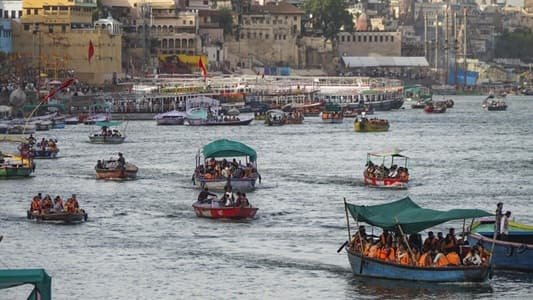
Spend a weekend at any well-known Indian river and the scene tells its own story. Morning brings photographers and yoga enthusiasts. Afternoons fill up with picnicking families. Evenings turn into aarti gatherings, river cruises, and quiet couple walks. Pilgrimage spots see round-the-year visitors, while adventure rivers like the Ganga at Rishikesh or the Kali in Karnataka draw thrill seekers from across the country. Rivers create a rare mix of spiritual, recreational, and commercial activity, and that mix is exactly what makes the area around a river such a strong business zone.
Here are five business ideas that genuinely work near a river in Indian conditions in 2026.
1. Riverside Camping and Tent Stay
A well-planned riverside camping setup with safe tents, clean washrooms, bonfire zones, and simple food is one of the most popular travel experiences in India right now. Young travellers, corporate groups, and small families are booking weekend camps in large numbers.
Why it works in 2026: Domestic tourism has shifted strongly towards nature-based getaways after years of city living. A riverside camp offers what hotels cannot, the sound of flowing water, open skies, and a genuine break from urban stress. Instagram and YouTube travel reels keep pushing new river destinations into the mainstream. Platforms like MakeMyTrip, Thrillophilia, and Airbnb bring bookings directly to small camp operators.
Investment: ₹4 lakh for 10 to 12 quality Swiss tents with mattresses and bedding. ₹2 lakh for land lease deposit or riverside plot rental. ₹1.5 lakh for washroom construction and water supply. ₹1 lakh for kitchen setup, dining area, and bonfire pits. ₹80,000 for branding, online listings, and signage. ₹60,000 for licences and safety compliance. ₹1.5 lakh working capital. Total within ₹11 lakh.
How to start: Lease at least 10,000 square feet of land near a safe, accessible riverbank. Check flood history carefully before signing a lease. Register with the state tourism department. Hire two camp staff, one cook, and one cleaner. List on MakeMyTrip, Thrillophilia, and Airbnb from day one. Offer weekend packages at ₹1500 to ₹3500 per person with meals and bonfire included.
Expected income: ₹1 lakh to ₹3 lakh per month in peak seasons between October and March.
Risks: Monsoon floods can damage setups and force closures. Fire safety during bonfires needs strict protocols. Environmental clearances near protected rivers are getting stricter.
2. Boating, Rafting, and Water Sports Service
A water sports operation offering boat rides, kayaking, river rafting, paddle boarding, or jet skiing is one of the highest-margin businesses around any Indian river that supports such activities.
Why it works in 2026: Adventure tourism is growing fast among urban youth and corporate travellers. Rivers like the Ganga in Rishikesh, the Teesta in Sikkim, the Kali in Karnataka, and the Zanskar in Ladakh have built thriving rafting economies. Simpler boat rides and paddle experiences work well at pilgrimage rivers too. Tourists happily pay ₹500 to ₹3000 for a short experience, and certified operators earn consistently through the season.
Investment: ₹3 lakh for rafts, kayaks, and life jackets. ₹2 lakh for safety equipment, helmets, ropes, and first aid. ₹1.5 lakh for a small office and storage space. ₹1 lakh for transport vehicle or trailer for equipment. ₹80,000 for branding, website, and listings. ₹80,000 for licences and safety certifications. ₹1.5 lakh working capital. Total within ₹11 lakh.
How to start: Get certified in river safety and first aid. Obtain operational licences from the state tourism and water sports authorities. Hire two certified guides and one safety instructor. Tie up with hotels, resorts, and travel agents for group bookings. Display clear pricing and safety rules. Never compromise on life jackets, briefings, or weather checks.
Expected income: ₹80,000 to ₹3 lakh per month in season, which runs typically from September to June depending on the river.
Risks: A single accident can shut the business permanently. Insurance and safety compliance are non-negotiable. Monsoon months see complete closure in most rivers.
3. Riverside Cafe and Restaurant
A well-designed cafe or small restaurant overlooking a river is one of the most atmospheric and Instagram-friendly businesses in modern India. Couples, tourists, and weekend visitors all want a good meal with a river view.
Why it works in 2026: Dining with a view has become a strong trend across Indian tourist towns. Riverside cafes in Rishikesh, Alleppey, Orchha, Mandvi, and Coorg are often booked full on weekends. Pricing can be 30 to 50 percent higher than city cafes because of the view and location. Evening aarti timings at religious rivers bring an additional peak customer wave.
Investment: ₹4 lakh for kitchen equipment, gas setup, and chimneys. ₹2 lakh for dining furniture, seating, and lighting. ₹2 lakh for plot lease or property deposit. ₹1 lakh for branding, menu cards, and interior styling. ₹80,000 for FSSAI, fire NOC, and trade licences. ₹1.5 lakh working capital. Total within ₹11 lakh.
How to start: Lease a riverside property or land parcel with clear commercial use permission. Check environmental clearance rules because construction near rivers is tightly regulated. Get FSSAI, fire NOC, and tourism department approvals. Hire a trained cook, two helpers, and two service staff. Focus on regional cuisine and clean presentation. Build a strong Google Maps and Instagram profile with river-view photos.
Expected income: ₹1 lakh to ₹3 lakh per month depending on location and tourist traffic.
Risks: Monsoon season reduces footfall sharply. Environmental rules can delay construction or expansion. Seasonal income requires careful cash flow planning for off months.
4. Riverside Homestay and Eco-Resort
A boutique homestay or small eco-resort with 4 to 8 rooms near a river captures a steady stream of families, couples, and corporate retreats looking for a peaceful break.
Why it works in 2026: Indian travellers have moved away from big hotels towards personalised, nature-based stays. Remote workers are booking month-long river stays for their work-from-anywhere setups. Wedding anniversary couples, retired travellers, and weekend families all prefer boutique experiences over chain hotels. Online platforms like Airbnb, Booking.com, and SaffronStays bring consistent bookings.
Investment: ₹8 lakh for renovation or construction of 4 to 6 rooms on leased or owned riverside land. ₹3 lakh for quality furniture, linen, and air conditioning. ₹2 lakh for property deposit if leased. ₹2 lakh for kitchen setup, reception, and landscaping. ₹1 lakh for branding and online listing photography. ₹1.5 lakh for licences, tourism registration, and insurance. ₹2.5 lakh working capital. Total within ₹20 lakh.
How to start: Lease or own land with clear commercial use approval near a scenic stretch of the river. Register under state tourism homestay rules. Hire one manager, one cook, and one cleaner. Invest in professional photography because online listings succeed on visual appeal. Offer activities like yoga, bonfire, nature walks, and local cuisine as part of the stay experience.
Expected income: ₹1.5 lakh to ₹4 lakh per month with 60 to 80 percent occupancy in peak months.
Risks: Construction near rivers requires multiple environmental approvals. Flood risk needs serious property planning. Seasonal occupancy means managing lean months without going into losses.
5. Religious and Ritual Supplies Shop
A shop selling puja items, flowers, coconuts, incense sticks, prasad, diya sets, and ritual cloths near a religious river is one of the most stable businesses in India. Pilgrims come throughout the year, and demand is steady regardless of weather, politics, or economic cycles.
Why it works in 2026: Rivers like the Ganga, Yamuna, Godavari, Narmada, Krishna, and Kaveri see lakhs of pilgrims every year for last rites, holy baths, festivals, and religious ceremonies. Visitors rarely carry puja items from home and buy everything at the ghat itself. A small well-stocked shop at a pilgrimage ghat earns consistent daily income. Specialised services like booking priests, arranging tarpan rituals, and ashes immersion logistics bring higher margins.
Investment: ₹1.5 lakh for initial stock of puja items, idols, flowers, and religious books. ₹80,000 for glass display, shelves, and storage. ₹1 lakh for shop deposit at a prime ghat location. ₹40,000 for branding and signage. ₹30,000 for GST and trade licences. ₹50,000 working capital. Total under ₹5 lakh.
How to start: Rent a shop within walking distance of the main ghat or temple approach. Tie up with local flower markets and priest networks for fresh daily supply. Offer packaged puja kits at fixed prices for easy decision-making by pilgrims. Accept UPI and cash because tourists often run out of change. Build a respectful, quiet atmosphere, which is expected at pilgrimage shops.
Expected income: ₹40,000 to ₹1.5 lakh per month, peaking sharply during festivals and eclipse periods.
Risks: Festival seasons bring rush, but off-season income can drop sharply. Competition at major ghats is heavy. Flower and fresh item stock needs daily management.
Tips to Run a Business near a River Successfully in India
Study the flood history of the area carefully before investing in any fixed setup. Rivers in India can change course or overflow dramatically during monsoon. Get proper environmental clearances because the National Green Tribunal rules are strictly enforced near rivers. Align your working hours with natural tourist rhythm. Early morning and sunset are peak engagement hours for cafes, photography, and rituals. Maintain cleanliness not just in your shop but also in the immediate riverbank area, because tourists and locals notice and reward responsible operators. Build strong Google Maps, Instagram, and Airbnb profiles with high-quality photos because riverside businesses are almost entirely discovered online. Keep genuine relationships with local boatmen, priests, and guides because their referrals bring consistent walk-in customers.
Common Mistakes to Avoid
Do not build any fixed structure without checking the National Green Tribunal and state environmental rules. Unauthorised construction near rivers can be demolished even after years. Avoid ignoring monsoon risk and flood lines, because one bad season can destroy years of investment. Never skip safety equipment, life jackets, and certified staff for water sports, because accidents have serious legal consequences. Do not overcharge pilgrims and tourists during festivals because negative reviews spread fast online. Never pollute the river with kitchen waste, sewage, or plastic, because even small violations now carry heavy fines. And never underestimate seasonal income swings. Plan your finances to survive three to four lean months every year.
Conclusion
A river is not just a geographic feature. It is a living part of Indian culture that attracts pilgrims, travellers, adventurers, and families in steady waves throughout the year. Businesses built near a river with honesty, safety, and respect for the environment can enjoy one of the most rewarding customer relationships in the country. Every visitor arrives looking for peace, meaning, or thrill, and leaves with memories that often bring them back year after year.
The five ideas above are not tourist brochure fantasies. They are working businesses that thoughtful entrepreneurs have built along India’s riverbanks in 2026. Pick the one that matches your budget, your location, and the kind of river you are near. Respect the environment and the rules. Invest in safety and cleanliness. Build your reputation through genuine service and real experiences.
A well-run riverside business in 2026 does not just earn seasonal income. It becomes part of the story travellers carry home, weaving itself into wedding anniversary memories, pilgrimage experiences, and childhood weekend trips. That quiet, meaningful presence in someone’s life journey is the rarest and most rewarding kind of business India has to offer.
FAQs
Q1. Is it legal to start a business near a river in India?
A: Yes, but with strict rules. The Coastal Regulation Zone and the National Green Tribunal regulate how close to the river any construction or business can be set up. Most businesses operate at a safe distance from the high-flood line with proper municipal, tourism, and environmental approvals.
Q2. Which riverside business gives the fastest return?
A: Puja supply shops at religious rivers and simple chai or food stalls at tourist rivers start earning from the first week because the need is immediate and daily. Camps, cafes, and resorts take three to six months to build bookings.
Q3. Which rivers are the most profitable for tourism businesses in 2026?
A: The Ganga in Rishikesh and Varanasi, the Kaveri in Coorg, the Narmada in Madhya Pradesh, the Periyar in Kerala, the Teesta in Sikkim, and the Brahmaputra in Assam are the top choices. Regional rivers near cities also offer strong weekend tourism potential.
Q4. Do I need environmental clearance for every riverside business?
A: Small shops, cafes, and homestays on existing commercial land usually need only standard municipal and tourism licences. Any new construction near the riverbed, camps, resorts, or water sports operations need specific environmental clearances from state and central authorities.
Q5. How do I handle the monsoon off-season?
A: Plan your year to earn 70 to 80 percent of annual income during the October to June window. Use monsoon months for maintenance, staff training, marketing, and renovation. Keep at least three months of fixed costs as reserve cash before every monsoon.
 Meghna Sharma