 By TBLTeam
 A subsidiary company is an important part of modern corporate structures. Large business groups often operate through a network of subsidiary companies instead of running all activities under one single company. This structure helps businesses expand into new markets, reduce risk, and manage operations more efficiently.
While subsidiary companies offer many strategic and financial benefits, they also bring challenges related to control, compliance, and coordination. To clearly understand this concept, it is necessary to examine both the advantages and disadvantages of a subsidiary company in detail.
What Is a Subsidiary Company?
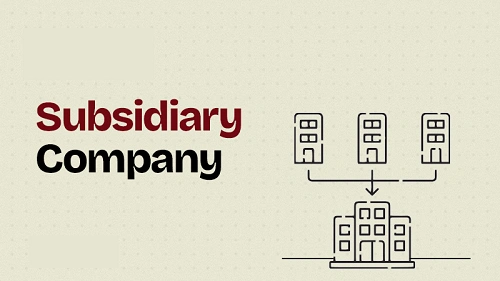
A subsidiary company is a company that is controlled by another company, known as the holding or parent company. Control is usually established when the parent company owns more than 50% of the subsidiary’s voting shares.
Even though the parent company controls it, a subsidiary has a separate legal identity. It can own assets, enter contracts, earn profits, and face losses in its own name.
Key Features of a Subsidiary Company
Some important features of a subsidiary company include:
- Controlled by a holding or parent company
- Separate legal entity
- Own management and operations
- Separate financial statements
- Strategic and financial dependence on the parent company
These features define how subsidiary companies function and influence their advantages and disadvantages.
Advantages of a Subsidiary Company
1. Separate Legal Identity
One of the biggest advantages of a subsidiary company is its separate legal existence. It is treated as an independent company under the law.
This means liabilities, legal claims, and debts of the subsidiary do not directly affect the parent company beyond its investment.
2. Risk Isolation
Losses or failures of one subsidiary do not automatically impact other subsidiaries or the holding company. This helps in spreading and reducing overall business risk.
If one subsidiary performs poorly, the rest of the business group can continue operating smoothly.
3. Easier Expansion into New Markets
Subsidiaries allow companies to expand into new industries, regions, or countries without disturbing existing operations.
For example, a company entering a foreign market may create a local subsidiary to understand laws, culture, and consumer behavior better.
4. Operational Flexibility
Each subsidiary operates independently and can adapt quickly to local market conditions. Decisions related to pricing, marketing, and operations can be customized.
This flexibility improves efficiency and competitiveness.
5. Better Management Focus
Since subsidiaries focus on specific products, markets, or regions, management attention is more focused.
This improves performance, accountability, and specialization.
6. Brand Protection
If a subsidiary faces legal issues or reputational damage, the parent company’s core brand may remain protected.
This separation helps maintain overall brand value.
7. Financial Support from Parent Company
Subsidiaries often receive financial, technical, and managerial support from the parent company.
This support helps new or struggling subsidiaries stabilize and grow.
8. Tax Planning Benefits
In some cases, subsidiaries allow businesses to optimize taxes through loss set-offs, tax incentives, or regional benefits, depending on legal provisions.
This can improve group-level profitability.
9. Easier Sale or Restructuring
A subsidiary can be sold, merged, or closed without affecting the entire business group.
This makes restructuring simpler and more flexible.
10. Encourages Innovation and Experimentation
Subsidiaries provide a platform to test new ideas, products, or business models with limited risk to the parent company.
Failures remain contained within the subsidiary.
Disadvantages of a Subsidiary Company
1. Reduced Autonomy
Although subsidiaries have separate legal identity, major decisions are often controlled by the parent company.
This limits independence and may slow down decision-making.
2. Complex Management Structure
Managing multiple subsidiaries increases complexity. Coordination between parent and subsidiary management can be challenging.
Poor communication may lead to inefficiency or conflict.
3. High Administrative and Compliance Costs
Each subsidiary must maintain separate accounting, audits, legal filings, and compliance.
These requirements increase operational costs.
4. Conflict of Interest
Conflicts may arise between the interests of the parent company and the subsidiary, especially when decisions benefit the group but harm the subsidiary.
This can affect employee morale and performance.
5. Minority Shareholder Issues
If a subsidiary has minority shareholders, disputes may arise over profit sharing, control, and decision-making.
This can lead to legal and governance challenges.
6. Financial Dependence
Subsidiaries often rely on the parent company for funding and strategic direction.
Excessive dependence may reduce innovation and initiative at the subsidiary level.
7. Regulatory and Legal Challenges
Operating subsidiaries across different regions or countries requires compliance with multiple legal systems.
This increases regulatory risk and complexity.
8. Transfer Pricing Issues
Transactions between parent and subsidiary companies must follow strict pricing rules.
Incorrect pricing may attract penalties and legal scrutiny.
9. Risk of Over-Control
Excessive control by the parent company can restrict creativity and responsiveness of subsidiaries.
Local opportunities may be missed due to centralized decision-making.
10. Reputation Risk at Group Level
Although legally separate, major scandals or failures of a subsidiary can still damage the reputation of the parent company.
Public perception often links the two together.
Subsidiary Company vs Independent Company
An independent company enjoys full freedom but faces higher risk. A subsidiary company benefits from support, stability, and strategic direction but sacrifices some autonomy.
Subsidiaries are suitable for large corporate groups, while independent companies suit small or focused businesses.
Suitability of a Subsidiary Company
A subsidiary company is suitable for:
- Large business groups
- Companies planning diversification
- Foreign market entry
- Risk management strategies
- Long-term expansion plans
It may not be ideal for small businesses due to cost and complexity.
Conclusion
A subsidiary company is a strategic business structure that allows expansion, risk control, and operational flexibility. Its major advantages include separate legal identity, risk isolation, focused management, and financial support from the parent company. At the same time, it faces disadvantages such as reduced autonomy, complex management, higher compliance costs, and potential conflicts of interest.
When managed properly, subsidiary companies can strengthen corporate growth and long-term stability, especially for large and diversified business groups.