 By TBLTeam
 DTCP layout is a residential layout that has been approved by the Directorate of Town and Country Planning (DTCP). You’ll hear this term often when people talk about plots, land purchases, or layout approvals—especially outside core city limits.
This land has been planned and cleared according to government town-planning rules.
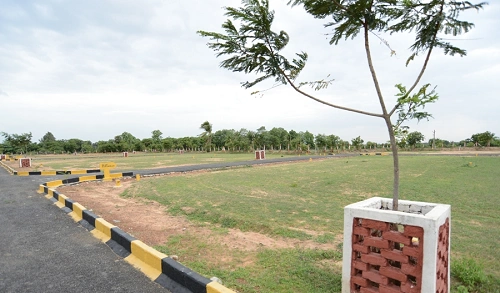
What Makes a Layout “DTCP Approved”?
When a layout is DTCP approved, it usually means:
- Roads are properly planned and marked
- Plots follow legal size and boundary norms
- Space is reserved for parks, roads, and public use
- Drainage and basic civic planning are accounted for
- The land use is legally converted for residential purpose
It’s about planning and legality, not luxury.
DTCP Layout vs BDA Layout (Simple Difference)
1. DTCP Layout
Approved by state-level town planning authority
Common in outskirts, developing zones, and towns
2. BDA Layout
Approved and developed by city authority (like BDA in Bengaluru)
Usually inside or close to city limits
Both are legal, but they operate in different planning jurisdictions.
Where You’ll Commonly Find DTCP Layouts
- City outskirts and growth corridors
- Developing residential belts
- Towns and semi-urban areas
- Areas where city development authority does not directly operate
Many new plotted developments fall under DTCP approval.
Things Buyers Should Always Check
A DTCP approval alone is not enough. Before buying, always verify:
- Final DTCP approval number
- Conversion order (agricultural to residential)
- Road width and access
- Civic body jurisdiction (BBMP, Panchayat, Municipality)
- Future infrastructure plans
A genuine DTCP layout will have clear documents, not just verbal claims.
Is a DTCP Layout Safe to Buy?
Yes if it is genuinely approved and properly documented. Problems arise only when layouts are claimed as DTCP approved without proof.
Think of DTCP approval as a foundation of legality, not a guarantee of future value or amenities.
In summary, A DTCP layout is a legally planned residential layout approved by town-planning authorities. It’s a common and valid form of development, especially in growing areas. For buyers, the key is not just the word “DTCP,” but verifying documents and understanding where the layout sits in the city’s long-term growth story.