 By TBLTeam
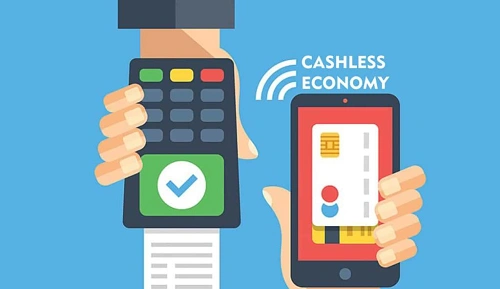
 A cashless economy is one where most financial transactions are carried out using digital methods instead of physical cash. Payments are made through debit cards, credit cards, mobile wallets, UPI, internet banking, and other electronic systems. In recent years, many countries, including India, have moved steadily toward cashless transactions due to advances in technology, wider internet access, and government initiatives promoting digital payments.
The idea of a cashless economy is often linked with speed, convenience, and transparency. Supporters believe it can reduce corruption, improve tax collection, and make everyday transactions easier. At the same time, critics point out serious concerns such as digital exclusion, cybercrime, and overdependence on technology. A cashless economy may offer many benefits, but it also brings new challenges that cannot be ignored.
To understand this concept, it is important to examine both the advantages and disadvantages of a cashless economy.
Advantages of a Cashless Economy
1. Convenience and Speed
One of the biggest advantages of a cashless economy is convenience. Digital payments are fast and easy. People do not need to carry cash, search for exact change, or visit banks frequently. Payments can be made anytime and anywhere using smartphones or cards. This saves time for consumers as well as businesses and makes daily transactions smoother.
2. Reduction in Black Money and Corruption
Cash transactions are difficult to track, which makes them a common medium for black money, tax evasion, and corruption. In a cashless economy, most transactions are recorded digitally. This increases transparency and makes it easier for authorities to monitor financial activities. As a result, the scope for illegal dealings and unaccounted money is reduced.
3. Better Tax Collection
When transactions are digital, income and sales become more visible to the government. This helps improve tax compliance and reduces tax evasion. Businesses are more likely to report their actual income, leading to higher and more accurate tax collection. Improved tax revenue allows the government to spend more on public welfare, infrastructure, and social development.
4. Lower Cost of Handling Cash
Managing physical cash involves high costs. Governments and banks spend large amounts on printing currency, transporting it, storing it, and ensuring security. A cashless economy reduces these expenses. Over time, this can result in significant savings for the banking system and the government.
5. Boost to Digital and Financial Inclusion
Digital payments encourage people to open bank accounts and use formal financial services. This helps bring more people into the formal economy. For individuals who were previously dependent only on cash, digital transactions can provide access to savings, credit, insurance, and other financial products.
6. Improved Safety
Carrying large amounts of cash always involves the risk of theft or loss. Digital money, when protected by passwords, PINs, and biometric security, can be safer than cash. Even if a card or phone is lost, it can be blocked, and the money can be protected. This makes financial transactions more secure for users.
7. Encourages Economic Growth
A cashless economy supports faster circulation of money and smoother business operations. Digital payments improve efficiency, reduce delays, and make it easier for businesses to manage accounts. This efficiency can contribute to overall economic growth and improved productivity.
Disadvantages of a Cashless Economy
1. Digital Divide and Exclusion
One of the biggest drawbacks of a cashless economy is digital exclusion. Not everyone has access to smartphones, the internet, or digital literacy. Elderly people, rural populations, and low-income groups may struggle to adapt to digital payment systems. For such groups, going cashless can create serious difficulties in daily life.
2. Cybersecurity Risks
As dependence on digital transactions increases, the risk of cybercrime also rises. Hacking, phishing, identity theft, and online fraud are major concerns. Even a small security breach can lead to financial loss and loss of trust in the system. Strong cybersecurity measures are essential, but risks can never be completely eliminated.
3. Dependence on Technology
A cashless economy relies heavily on technology, electricity, and internet connectivity. Technical failures, server issues, or power cuts can disrupt transactions. In emergencies or natural disasters, digital systems may fail, leaving people without access to money. This overdependence on technology is a serious limitation.
4. Loss of Privacy
Digital transactions leave a data trail. Every purchase, payment, or transfer can be tracked and analyzed. While this helps reduce illegal activities, it also raises concerns about privacy. People may feel uncomfortable knowing that their spending habits and financial behavior are being monitored or stored by companies and governments.
5. Risk of Overspending
Cash creates a physical sense of spending, which often helps people control their expenses. Digital payments, on the other hand, feel less real. Swiping a card or tapping a phone can make it easier to overspend. This can lead to poor financial discipline, higher debt, and increased use of credit.
6. Impact on Informal Sector
In many developing economies, a large part of the workforce operates in the informal sector, where cash is the primary mode of payment. A rapid shift to a cashless economy can disrupt these businesses. Small vendors, daily wage workers, and street sellers may find it hard to adopt digital systems due to costs and lack of technical knowledge.
7. System Charges and Transaction Costs
Digital payment platforms often involve transaction fees, service charges, or hidden costs. For small businesses and low-margin traders, these charges can reduce profits. While cash transactions are usually free, digital payments may add an extra financial burden.
Conclusion
A cashless economy represents a major shift in the way people handle money. It offers clear advantages such as convenience, transparency, improved tax collection, and reduced reliance on physical cash. For governments and businesses, it can lead to better efficiency and economic growth.
However, a fully cashless economy also has serious limitations. Digital exclusion, cybersecurity threats, privacy concerns, and dependence on technology make it unsuitable as a complete replacement for cash, especially in developing countries. Not everyone is equally prepared to go digital, and forcing a cashless system too quickly can create inequality and hardship.
The most practical approach is a balanced one. Instead of eliminating cash entirely, economies should aim for a less-cash or cash-light system where digital payments are encouraged, but cash remains available. This ensures that the benefits of digitalization are enjoyed while protecting the needs of all sections of society.