 By TBLTeam
Heavy rain, flooded roads and waterlogged parking areas can leave water inside a car. The damage may range from damp seats and carpets to electrical trouble or engine problems. Whether insurance can help depends mainly on how the water entered the vehicle, the type of policy you hold and the damage that followed.
Knowing these points can make the claim process clearer and help you respond carefully. A quick response can also limit damage and preserve useful evidence for assessment.
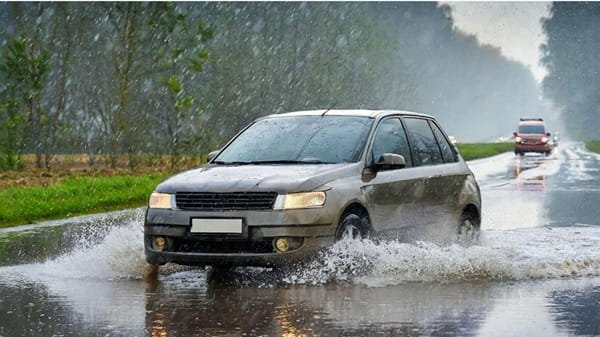
Does Car Insurance Cover Water Damage inside the Car?
Water damage to your own car may be covered when it results from an insured event such as flooding and your policy includes own-damage protection. Coverage is not automatic for every wet seat, damp carpet or electrical issue. With car insurance online, flood-related damage may fall within the policy scope when own-damage cover applies.
- The cause of water entry matters.
- The affected part must fall within the policy scope.
- Claim approval remains subject to policy terms and assessment.
When Is Water Entering the Car Cabin Covered?
Cabin damage may be considered when water enters because of a sudden insured event, such as flooding or another covered natural event. What matters is whether the damage arose directly from a covered cause. This differs from third party car insurance, which mainly covers legal liabilities arising from injury, death or property damage caused to another person.
- Flood-related own-car damage generally needs own-damage cover.
- Interior damage is assessed according to the cause and affected parts.
- Certain engine losses may need an appropriate add-on.
When Is Water Damage Not Covered by Car Insurance?
Not every case of water entering a vehicle will qualify for a claim. Problems caused by gradual wear, poor upkeep, an existing defect or an event outside the policy scope may be treated differently.
Further damage caused after the initial incident may also affect the claim. For example, repeatedly trying to restart a stalled car in deep water can worsen engine damage. It is safer to stop using the vehicle and inform the insurer.
Does Comprehensive Car Insurance Cover Flood Damage?
A comprehensive policy generally combines third-party liability with own-damage protection and may cover insured damage caused by natural events such as floods. The final settlement depends on the policy wording, the nature of the damage and the claim assessment.
Floodwater can affect electrical systems, upholstery, wiring, sensors and mechanical parts. Engine-related consequential damage may require a suitable add-on, depending on the circumstances and policy terms.
Does Car Insurance Cover Damage to the Car’s Interior?
Interior damage is usually assessed by looking at why it happened, not simply where it happened. Seats, carpets, electronic controls and other cabin components may be considered when they are damaged directly by a covered event.
Routine deterioration or damage linked to maintenance issues may be treated differently. Photographs and repair findings can help show the extent and likely cause of the damage.
What Should You Do if Water Enters Your Car Cabin?
The priority is to prevent further damage and keep the vehicle safe. Avoid repeatedly starting a car that has stalled in water.
- Switch off the ignition when it is safe.
- Take clear photographs or videos of the water level and visible damage.
- Inform the insurer promptly.
- Arrange towing if the car should not be driven.
- Let a workshop inspect electrical and mechanical parts.
- Begin drying the cabin after documenting its condition.
How to File a Water Damage Car Insurance Claim?
Contact the insurer and provide vehicle, policy and incident details. You may be asked for photographs, registration details, driving licence information, repair estimates and other supporting documents.
The car may also need inspection before repairs begin. Avoid authorising major repairs unless advised to proceed. Claim acceptance and settlement remain subject to the policy terms and claim assessment.
How to Prevent Water Damage inside Your Car?
Simple driving and maintenance habits can reduce the risk of water reaching the cabin or vehicle components.
- Avoid deeply waterlogged stretches when a safer route is available.
- Do not park in low-lying areas.
- Check door seals, window seals and drainage channels.
- Keep sunroof drains clear where applicable.
- Do not restart a stalled car while it is standing in water.
- Dry a damp cabin promptly to limit lingering moisture.
Conclusion
Water entering a car cabin does not lead to the same insurance outcome in every situation. The cause of the water entry, the type of policy and the affected parts all matter. Own-damage cover may respond to flood-related vehicle damage, while some engine losses can require additional protection. After water enters the car, document the condition, avoid unnecessary driving or restarting, inform the insurer and follow the claim process carefully. Always read your policy wording to understand the exact scope of cover.
 Meghna Sharma