 By Meghna Sharma
India’s interior design market in 2026 is far more organised than it was a few years ago. Homeowners now expect 3D visualisation, factory-made modular furniture, project management, warranties and a single team to coordinate design and execution. Premium clients increasingly look for bespoke furniture, sustainable materials and architecture-led interiors, while companies want offices and retail spaces that can be delivered at scale.
This ranking considers scale in India, design quality, execution capability, technology, studio or retail presence, portfolio depth and current relevance. It includes both residential interior brands and specialist design-and-build firms because the right company for an apartment may not be the right choice for a luxury residence, hotel or corporate office.
1. Livspace
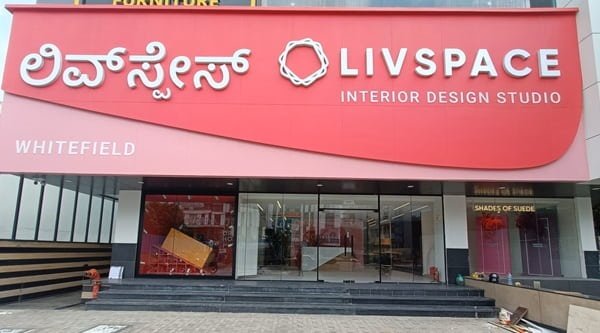
Livspace takes the top position for its scale and end-to-end residential model. Founded in 2014, it offers full-home interiors, modular kitchens and wardrobes, renovations, luxury interiors and office solutions. The company says it has completed more than 100,000 homes, works with 2,000+ expert designers and operates across 100+ cities in two countries. Its large designer network, experience centres, sourcing system and execution platform make it one of India’s most accessible organised interior brands.
2. HomeLane and DesignCafe
HomeLane has become one of India’s biggest technology-enabled home-interior platforms. It says it has served 55,000+ customers across 54+ cities with 600+ designers and 80+ experience centres. HomeLane acquired DesignCafe in 2024, and the two now operate as an integrated group while DesignCafe continues as a separate consumer brand. The combination brings HomeLane’s scale and technology together with DesignCafe’s more design-led, space-optimised positioning.
3. Asian Paints – Beautiful Homes
Asian Paints has expanded beyond paint through its Beautiful Homes business. The service covers full-home interiors, modular kitchens, wardrobes, furnishings, lighting, doors, windows and bath solutions. Beautiful Homes had 70+ stores across India in 2026, allowing customers to see materials and finishes before committing. Its biggest strength is the ability to combine interior products, finishes and service within the ecosystem of one of India’s best-known home-improvement brands.
4. Decorpot
Founded in 2015, Decorpot has grown into a major full-home interior company serving the mid-premium and premium residential market. It says it has delivered 10,000+ homes, employs 500+ design experts and operates across 20+ cities with more than 35 experience centres. Decorpot also runs its own manufacturing facility, giving it greater control over modular furniture production, quality and installation.
5. Bonito Designs
Bonito Designs focuses more heavily on personalised full-home and luxury interiors. Founded in 2012, it says it has designed more than 10 million square feet and has 150+ design experts. Its current experience centres are concentrated in Bengaluru and Mumbai. With Gauri Khan as Global Design Advisor, Bonito positions itself around curated themes, premium materials and lifestyle-led interiors rather than only standard modular packages.
6. Flipspaces
Flipspaces is one of the strongest choices for commercial interiors. Its technology-led design-and-build model covers offices, retail, hospitality and other business spaces. The company says it has delivered more than 10 million square feet across 1,000+ projects in 20+ cities. Its platform combines 3D visualisation, product selection, project monitoring, sourcing and execution, making it especially relevant for large workplaces and multi-location commercial projects.
7. Morphogenesis
Morphogenesis is a leading Indian architecture and design consultancy with around 30 years of experience, four India offices and about 300 architects and designers. Its work spans architecture, interiors, landscape and master planning across workplaces, hospitality, institutions, commercial developments and homes. The firm’s strength is not standardised interior packages but climate-responsive, sustainability-led and highly integrated design for major projects.
8. Space Matrix
Space Matrix specialises in workplace interiors rather than residential design. It says it has more than 600 workplace experts and designers across 16 locations. Its services combine workplace strategy, interior design, technology and sustainability. For large organisations planning new offices or redesigning workplaces around collaboration, hybrid work and employee experience, Space Matrix offers expertise that home-focused interior companies generally do not provide.
9. Studio Lotus
New Delhi-based Studio Lotus was founded in 2002 by Ambrish Arora, Ankur Choksi and Sidhartha Talwar. Its 100+ member multidisciplinary team works across architecture, interiors, hospitality, retail, homes and brand experiences. The studio is known for contextual design, local craft and detailed material work. It is particularly relevant for clients seeking distinctive luxury, hospitality, retail or residential interiors rather than a mass-market turnkey package.
10. Essentia Environments
Essentia Environments is a luxury design-and-build company founded in 1999. It combines architecture, interior design, turnkey construction and bespoke furniture within one organisation. The company says it has completed more than 1,000 projects and has substantial in-house manufacturing capability. Essentia is best suited to premium residential and commercial clients who want highly customised spaces and furniture rather than catalogue-driven modular solutions.
How to Choose an Interior Design Company
Match the company to the project before comparing prices. Large home-interior brands are useful for apartments and structured turnkey work, while specialist studios may suit luxury residences or highly customised spaces. Commercial projects need firms with workplace or large-project experience. Before paying a booking amount, compare the scope of work, material specifications, exclusions, payment schedule, change-order rules, delivery milestones, warranty and responsibility for contractors.
Conclusion
India’s interior-design sector in 2026 offers credible choices at every level. Livspace leads on national scale, while HomeLane and DesignCafe form another powerful residential platform. Asian Paints Beautiful Homes, Decorpot and Bonito strengthen the organised home-interiors market. Flipspaces and Space Matrix stand out in commercial design, while Morphogenesis, Studio Lotus and Essentia represent more specialised, architecture-led and luxury work. The best choice is the company whose strengths match the project’s budget, scale and design ambition.
FAQs
Q1. How much does professional home interior design cost in India?
There is no dependable single rate. Cost depends on home size, woodwork, materials, finishes, appliances, civil work and customisation. A modular kitchen-and-wardrobe package can cost far less than a complete turnkey interior with ceilings, lighting, furniture and decor.
Q2. What is the difference between modular and turnkey interiors?
Modular interiors mainly cover factory-made units such as kitchens, wardrobes and storage. Turnkey interiors have a wider scope and may include design, civil work, electrical work, ceilings, painting, furniture, procurement and complete project management until handover.
Q3. Is a large interior company better than an independent design studio?
Not always. Large firms usually provide standardised processes, showrooms, warranties and larger execution networks. Boutique studios may offer deeper customisation and more direct designer involvement. The right option depends on budget, complexity and how unique the design needs to be.
Q4. What should be checked before paying the booking amount?
Ask for an itemised quotation, material specifications, payment stages, expected handover date, cancellation terms, warranty conditions and a clear list of exclusions. Also check how design changes are priced and who will manage the site after the sales stage.
Q5. How long does a full-home interior project take?
The timeline depends on scope. A mainly modular project can be much faster than one involving civil changes, custom furniture and made-to-order materials. Ask for a written schedule covering design approval, production, site work, installation and final snag correction instead of relying only on a generic delivery promise.