 By TBLTeam
 A home loan is usually one of the biggest financial commitments in a person’s life. Since home loans often continue for 15 to 30 years, borrowers end up paying a large amount as interest over time. Even a small difference in interest rate can save lakhs of rupees during the full loan tenure. That is why many homeowners look for ways to reduce their home loan interest burden and repay the loan faster. The good news is that there are several smart strategies that can help lower total interest costs. Proper financial planning, timely repayments, and smart loan management can make a significant difference in reducing long-term home loan expenses.
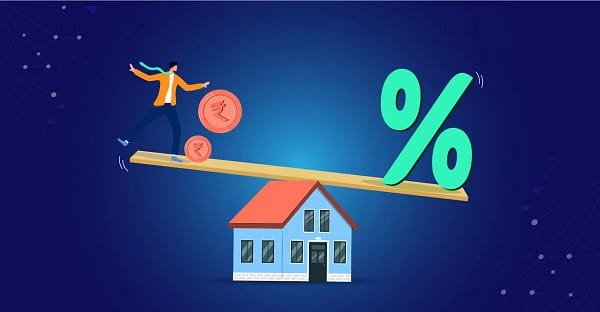
Why Home Loan Interest Becomes Expensive
Home loans usually involve:
- Large loan amounts
- Long repayment tenure
- Compound interest over many years
Because of the long tenure, borrowers often pay interest much higher than the original principal amount.
For example, a small reduction in interest rate can create huge long-term savings.
Ways to Reduce Home Loan Interest
Choose Shorter Loan Tenure
Longer tenure reduces EMI but increases total interest paid.
A shorter tenure may increase monthly EMI slightly, but it can reduce overall interest significantly.
For example:
- 20-year loan pays much more interest than a 10 or 15-year loan
If your income allows, choosing shorter tenure is one of the best ways to save interest.
Make Regular Part Prepayments
Part prepayment means paying extra money toward the principal amount whenever possible.
You can use:
- Bonus income
- Tax refunds
- Business profits
- Incentives
- Savings surplus
Reducing the principal early lowers future interest burden sharply.
Increase EMI Gradually
As salary and income increase over the years, many borrowers continue paying the same EMI.
Instead, increasing EMI periodically can reduce both:
- Loan tenure
- Total interest cost
Even a small yearly EMI increase can create major savings over time.
Maintain Good Credit Score
A strong credit score helps borrowers negotiate lower interest rates.
Most lenders prefer scores above:
- 750
Good repayment history improves bargaining power during loan discussions.
Compare Interest Rates Regularly
Interest rates change frequently.
If your lender charges higher rates compared to market rates, consider:
- Negotiating with existing bank
- Balance transfer to another lender
Lower rates can reduce long-term interest burden significantly.
Opt for Home Loan Balance Transfer
A balance transfer allows borrowers to shift the loan to another lender offering lower interest rates.
This may help:
- Reduce EMI
- Lower total interest
- Improve repayment flexibility
However, always compare:
- Processing fees
- Legal charges
- Transfer costs
before switching lenders.
Use Windfall Income Wisely
Many people spend bonuses or unexpected income immediately.
Instead, using extra income for home loan repayment can reduce outstanding principal quickly.
Examples include:
- Annual bonus
- Maturity proceeds
- Business profits
- Investment returns
Avoid Missing EMIs
Missed EMIs can increase costs through:
- Penalties
- Late payment charges
- Higher interest burden
- Credit score damage
Timely payments protect financial health.
Choose Repo-Linked Loans Carefully
Repo-linked floating loans respond faster to RBI repo rate cuts.
When interest rates fall:
- EMI may reduce
- Loan tenure may shorten
This can help lower total interest burden over time.
Refinance at Lower Rates
If market rates reduce significantly, refinancing may help secure better terms.
Refinancing works best when:
- Remaining tenure is long
- Rate difference is meaningful
- Transfer costs are reasonable
Pay EMIs on Time From Start
In home loans, early years mainly involve higher interest payment.
Reducing principal early creates bigger savings compared to late-stage repayment.
That is why disciplined repayment from the beginning matters greatly.
Things to Avoid
Avoid Unnecessarily Long Tenure
Very long repayment periods increase total interest sharply.
Avoid Frequent EMI Defaults
Late payments affect credit score and increase financial burden.
Do Not Ignore Rate Changes
Many borrowers continue paying higher rates without checking better offers available in the market.
Avoid Excessive Borrowing
Borrow only what comfortably fits your repayment capacity.
Benefits of Reducing Home Loan Interest
Lower interest burden helps:
- Save lakhs over loan tenure
- Become debt-free earlier
- Improve monthly cash flow
- Reduce financial stress
- Improve long-term wealth creation
Smart repayment planning creates major financial advantages.
Final Thoughts
Reducing home loan interest requires discipline, planning, and regular financial monitoring. Strategies like shorter tenure, part prepayments, EMI increases, balance transfers, and maintaining good credit score can significantly reduce total repayment costs.
Home loans are long-term commitments, so even small improvements in repayment strategy can create huge savings over time. Borrowers who actively manage their loans usually become debt-free faster and build stronger financial stability.
FAQs
Q: What is the best way to reduce home loan interest?
A: Part prepayments and shorter tenure are among the most effective ways to reduce total interest cost.
Q: Does increasing EMI reduce interest?
A: Yes, higher EMI reduces principal faster and lowers total interest burden.
Q: Is balance transfer good for home loan?
A: It can help if another lender offers significantly lower interest rates.
Q: Can prepayment reduce loan tenure?
A: Yes, prepayment usually reduces either tenure or EMI depending on lender adjustment.
A: Yes, borrowers with strong credit scores often get better interest rates.
Q: Should I choose long or short home loan tenure?
A: Shorter tenure generally saves much more interest, although EMI becomes higher.