 By TBLTeam
 Fitness has stopped being a hobby in India and has become a full lifestyle movement. Every city, big or small, now has multiple gyms packed from 5 am till 11 pm. Students, working professionals, housewives, and even retired people are signing up for memberships. The idea of being fit is no longer limited to actors and athletes. It is a daily habit for millions of ordinary Indians in 2026.
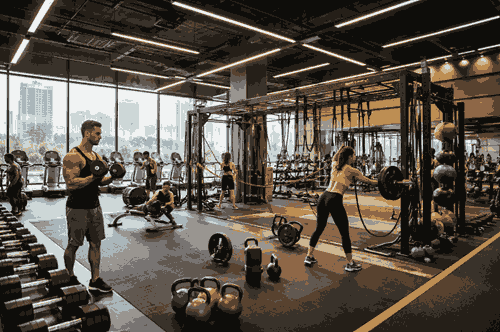
Look closely and you will see a gym is much more than a workout space. It is a daily footfall point where the same person visits four to six times a week, almost like a temple.Gym-goers arrive hungry, leave thirsty, care about how they look, and spend openly on anything that supports their fitness journey. This combination of habit, discipline, and spending power makes the area around a gym one of the most predictable business zones in urban India.
Here are five business ideas that genuinely work near a gym in Indian conditions in 2026.
1. Protein Shake and Healthy Juice Bar
A small shake and juice bar right next to a gym is one of the most obvious yet underused business ideas in India. Most people finish their workout dehydrated and hungry, and they happily pay ₹150 to ₹300 for a protein shake, smoothie, or fresh fruit juice.
Why it works in 2026: Awareness about post-workout nutrition has grown sharply. Gym-goers are willing to pay for clean, trusted shakes made with certified whey, fruits, nuts, and oats rather than buying sugary packaged drinks. A well-branded juice bar serves the same 20 to 30 regular customers every single morning and evening, building steady daily income.
Investment: ₹1.5 lakh for commercial blenders, juicers, refrigerator, and display fridge. ₹80,000 for initial stock of whey protein, fruits, seeds, nuts, and flavours. ₹1 lakh for shop deposit and renovation. ₹50,000 for branding, menu boards, and signage. ₹40,000 for FSSAI and trade licences. ₹80,000 working capital. Total under ₹5 lakh.
How to start: Rent a small 100 to 150 square feet shop directly next to or inside the gym if possible. Get FSSAI registration, which is compulsory for any food or drink business. Build a simple menu of 10 to 12 items with fixed prices. Stock recognised protein brands like MuscleBlaze, Optimum Nutrition, or GNC for credibility. Offer weekly and monthly subscription packs for regular customers.
Expected income: ₹50,000 to ₹1.5 lakh per month based on gym size and footfall.
Risks: Fruit and whey prices fluctuate with seasons. Quality complaints damage reputation fast in the fitness community. Some gyms run their own shake counters, cutting outside sales.
2. Sports Nutrition and Supplement Store
A dedicated supplement store selling whey protein, mass gainers, pre-workout, creatine, BCAA, multivitamins, and fitness accessories is a high-ticket business with strong repeat customer value.
Why it works in 2026: Protein supplements in India have moved from niche to mainstream. Even beginners now buy a 1 kg whey tub within their first month at the gym. Brand loyalty is high, which means repeat monthly purchases. Adding fitness accessories like gloves, belts, shakers, and wristbands increases per-bill sales easily.
Investment: ₹3 lakh for initial stock of major supplement brands. ₹80,000 for glass display, counter, and racks. ₹1 lakh for shop deposit and renovation. ₹50,000 for branding and signage. ₹40,000 for GST, FSSAI, and trade licences. ₹80,000 working capital. Total within ₹7 lakh.
How to start: Become an authorised reseller of at least three major brands like MuscleBlaze, Optimum Nutrition, Dymatize, or Ultimate Nutrition. This protects you from fake product accusations. Get GST and FSSAI registrations. Offer authenticity stickers on every product. Build a WhatsApp broadcast list of gym-goers for monthly restocking alerts. Accept returns only in sealed condition.
Expected income: ₹80,000 to ₹2.5 lakh per month once regular customers build.
Risks: Fake products in the supplement industry are a major concern. Always source from authorised distributors. Expired stock is a silent loss. Online pharmacies like HealthKart offer heavy discounts, so service and trust matter more than price.
3. Healthy Meal and Tiffin Service
A clean, well-priced meal service offering high-protein, portion-controlled lunch and dinner is one of the most in-demand services around any gym. Most fitness-serious people struggle with cooking their own meals and happily pay for prepared, macro-counted food.
Why it works in 2026: Bodybuilders, weight loss clients, and general fitness members all need structured meals. Restaurants are too oily, home food is often unbalanced, and packaged diet meals are expensive. A tiffin service at ₹150 to ₹250 per meal with labelled macros becomes a daily essential for serious gym members.
Investment: ₹2 lakh for kitchen equipment including large pans, food processor, oven, and gas setup. ₹1 lakh for tiffin carriers, packaging boxes, and insulated delivery bags. ₹1 lakh for shop or kitchen deposit. ₹1 lakh for two delivery scooters. ₹50,000 for FSSAI, GST, and trade licences. ₹80,000 for menu planning, dietitian consultation, and initial branding. ₹1 lakh working capital. Total within ₹7.5 lakh.
How to start: Rent a small commercial kitchen within 1 to 2 km of the gym. Consult a certified nutritionist to design balanced meal plans. Offer three plans: weight loss, muscle gain, and maintenance. Hire one cook and two delivery staff. Start with lunch and dinner only, expand to breakfast later. Accept weekly and monthly subscriptions for predictable income.
Expected income: ₹60,000 to ₹2 lakh per month.
Risks: Food safety complaints in the fitness community spread fast. Raw material costs rise with chicken, eggs, and vegetable prices. Delivery timing discipline is critical, as gym-goers eat on strict schedules.
4. Sportswear, Gym Accessories, and Shoe Shop
A small retail shop selling gym clothes, shoes, lifting belts, gloves, wrist supports, and yoga mats captures a steady share of gym member spending. Most serious members replace their workout gear every 4 to 6 months.
Why it works in 2026: Fitness has become an image-conscious activity. Gym-goers now invest in proper shoes, dri-fit clothes, and premium accessories. Instagram fitness culture has made branded sportswear aspirational. A shop offering authentic Nike, Adidas, Puma, and lesser-known but reliable brands like Domyos, HRX, and Campus captures both entry-level and premium buyers.
Investment: ₹4 lakh for initial stock of shoes, t-shirts, shorts, leggings, and accessories. ₹1.5 lakh for shop deposit and interior setup. ₹1 lakh for display racks, mirrors, and lighting. ₹60,000 for branding and signage. ₹40,000 for licences and GST. ₹1 lakh working capital. Total within ₹8 lakh.
How to start: Rent a shop in the same building or within 100 metres of the gym. Build distributor tie-ups with two or three brands for better margins. Stock fast-moving sizes heavily. Offer exchanges on shoes up to 7 days. Run Instagram ads tagging local fitness influencers. Accept UPI and all cards.
Expected income: ₹60,000 to ₹2 lakh per month.
Risks: Seasonal stock changes need careful buying. Online platforms like Myntra, Ajio, and Amazon offer heavy discounts. Fake branded products are a legal and reputation risk.
5. Physiotherapy and Sports Recovery Centre
A small physiotherapy clinic offering sports injury care, sports massage, muscle recovery, and rehabilitation services is a high-value business near any serious gym. Injuries, cramps, back pain, and joint stiffness are daily complaints in the gym community.
Why it works in 2026: Gym culture has created a new segment of fitness-related injuries that hospitals do not serve efficiently. Physio sessions at ₹500 to ₹1500 per visit become regular for many gym members. Adding services like dry needling, cupping therapy, and electrotherapy raises ticket size further. Corporate tie-ups with sports academies and gyms bring steady referrals.
Investment: ₹3 lakh for physio tables, ultrasound machine, IFT, TENS machine, and traction setup. ₹1.5 lakh for clinic deposit and interior setup. ₹1 lakh for reception area, waiting chairs, and billing system. ₹50,000 for branding, signage, and first ad campaigns. ₹50,000 for licences and medical registrations. ₹1 lakh working capital. Total within ₹7.5 lakh.
How to start: You need a qualified BPT or MPT physiotherapist on the centre records. Register under the state clinical establishments rules and get a trade licence. Tie up with two or three gyms for member referral discounts. Offer monthly packages for chronic pain patients. List on Practo, Google Maps, and Justdial from day one.
Expected income: ₹70,000 to ₹2.5 lakh per month after three to six months.
Risks: Equipment investment can feel heavy initially. Patient outcomes directly affect reputation. Fake physiotherapy centres in the market require you to stress your qualifications.
Tips to Run a Business near a Gym Successfully in India
Align your shop timings with gym peak hours, which are usually 5 am to 10 am and 5 pm to 10 pm. These are the busiest 10 hours of your day. Build a genuine relationship with the gym owner and trainers because their referrals matter more than any paid ad. Keep your space spotlessly clean, as fitness-focused customers judge hygiene strictly. Offer loyalty packages and WhatsApp reorder systems because your customers are regulars, not one-time buyers. Accept UPI and all cards, as gym-goers rarely carry cash. Post fresh content on Instagram and Google regularly, because fitness is a highly visual and socially influenced space.
Common Mistakes to Avoid
Do not sell fake or unauthorised supplements to make higher margins. The fitness community identifies fakes within weeks, and your business reputation never recovers. Avoid over-pricing just because your shop is next to an expensive gym. Gym members talk constantly and compare prices. Never skip FSSAI, GST, and trade licences because gym-area businesses are inspected regularly. Do not ignore proper packaging and hygiene standards for shakes and meal services, as one contamination case can shut your shop. And never ignore customer feedback on Google reviews, Instagram comments, and gym WhatsApp groups. In the fitness world, word travels faster than in any other customer segment.
Conclusion
A gym is one of the few business zones in India where the customer base is not just regular, it is disciplined. Gym-goers follow schedules, care about quality, and spend willingly on anything that supports their fitness journey. This combination of habit, loyalty, and spending power makes the area around a gym one of the most rewarding locations for a small business in 2026.
The five ideas above are not hype-driven startups. They are working businesses that successful entrepreneurs have built across every major Indian city. Pick the one that matches your budget, your knowledge, and the specific gym or fitness community near you. Complete your paperwork properly. Focus relentlessly on quality and cleanliness. Build your reputation one customer at a time.
A well-run gym-side business in 2026 does not just earn money. It becomes part of the daily ritual of hundreds of fitness-focused Indians. That kind of silent, steady presence is what turns a small shop into a long-term brand in India’s growing wellness economy.
FAQs
Q1. Is it mandatory to have a fitness background to start a business near a gym?
A: Not for shake bars, supplement stores, sportswear shops, or meal services. However, a physiotherapy centre needs a qualified BPT or MPT professional on the records. Personal fitness knowledge does help in building customer trust and designing products.
Q2. Which business near a gym gives the fastest return?
A: A shake and juice bar usually earns from the first week because post-workout demand is immediate and daily. Supplement stores start slower but bring higher ticket size within two to three months.
Q3. Do I need FSSAI for a supplement and protein shake business?
A: Yes. FSSAI is compulsory for any food, beverage, or supplement sale. Without it, you can be fined heavily and shut down instantly. The registration process is online and takes about 15 to 30 days.
Q4. How do I handle fake supplement complaints?
A: Only buy from authorised distributors of recognised brands. Keep purchase bills for every stock batch. Display authenticity stickers and brand verification posters in your shop. When in doubt, let customers scan brand verification codes right at the counter.
Q5. Are these businesses seasonal?
A: Gym memberships typically drop in summer and monsoon, especially in North India. However, serious members maintain routines year-round. Summer sees higher demand for juices and cold shakes, while winter brings more protein and bulk-building supplement sales. A balanced product mix keeps income stable.
 Meghna Sharma