 By TBLTeam
 Being 16 in India today is very different from what it was even five years ago. A student of this age in 2026 is already comfortable with smartphones, social media, UPI payments, online classes, and global content. Many 16-year-olds in Indian schools are already earning small incomes through Instagram pages, freelance work, gaming content, or small reselling setups. What was once dismissed as “wasting time on the phone” has quietly turned into a gateway for real entrepreneurship. Starting early gives a student something far more valuable than pocket money. It builds confidence, sharpens real-world skills, and creates a head start that no classroom can match.
Talk to any successful young entrepreneur in India today and they will tell you the same thing. Their business did not start at 25 or 30. It started with a small experiment in class 10 or 11, usually with zero investment and plenty of curiosity. A 16-year-old has unique advantages that adults often lose. Time is flexible, energy is high, failure carries no real financial burden, and parents are often willing to support small, safe experiments. The only catch is balance. Any business at this age must work around school, board exams, and personal development. The goal is not to replace studies but to add a real-world skill layer alongside them.
Here are five business ideas that genuinely work for a 16-year-old student in Indian conditions in 2026.
1. Content Creation on YouTube, Instagram, or Reels
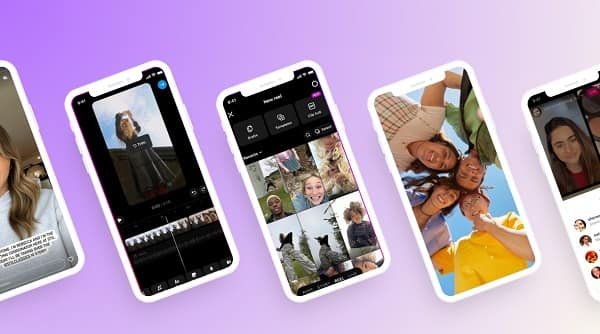
A 16-year-old in India today has every tool needed to become a content creator. A smartphone, a decent internet connection, and a clear interest in any topic are enough to start. Content niches like gaming, study tips, board exam preparation, tech reviews, fitness, cooking, fashion, personal finance for teens, and regional language content are all booming in 2026.
Why it works in 2026: India has over 90 crore internet users and is the largest YouTube audience in the world. Regional content in Hindi, Tamil, Telugu, Bengali, and Marathi is exploding. Brands actively look for young, authentic creators to promote their products because teenage audiences trust other teenagers more than adults. Monetisation happens through YouTube ads, Instagram brand deals, affiliate links, and merchandise. Many 17 and 18-year-olds in India are already earning ₹50,000 to ₹3 lakh a month from content alone.
Investment: ₹15,000 for a basic tripod, ring light, and external microphone if not already available. ₹10,000 for editing software subscription like CapCut Pro or VN. ₹5,000 for channel banner design and thumbnail tools. Total under ₹30,000.
How to start: Pick one niche where you already have genuine interest and knowledge. Upload consistently, even if early videos get few views. Focus on value over entertainment. Study trends, analyse top creators in your niche, and improve editing with every video. Avoid copying and always disclose sponsorships honestly.
Expected income: ₹0 for the first 6 months is normal. After 12 to 18 months, successful creators earn ₹20,000 to ₹2 lakh per month through multiple income streams.
Risks: Slow initial growth can demotivate beginners. Screen time can affect studies and eyes if not balanced. Negative comments require emotional maturity to handle.
2. Freelance Services Like Graphic Design, Video Editing, and Writing
A 16-year-old with skills in graphic design, video editing, content writing, coding, or translation can earn serious money by freelancing online. Platforms like Fiverr, Upwork, Freelancer.com, and Indian-specific sites like WorknHire make it possible for teenagers to work with clients from anywhere in the world.
Why it works in 2026: Small businesses, content creators, and startups in India and abroad constantly need affordable creative help. A good video editor charges ₹500 to ₹3000 per video. A thumbnail designer earns ₹200 to ₹1000 per thumbnail. A content writer earns ₹0.50 to ₹3 per word. For a 16-year-old, even 10 to 15 clients a month can bring in income that rivals many entry-level professional salaries. International clients paying in dollars multiply earnings significantly when converted to rupees.
Investment: ₹20,000 for a decent laptop if not already available. ₹5,000 for software subscriptions like Canva Pro or Adobe Creative Cloud. ₹3,000 for a professional portfolio website or Behance profile. Total under ₹30,000 if a laptop is borrowed or reused.
How to start: Pick one specific skill and become seriously good at it before offering services. Build a portfolio with 5 to 10 sample projects, even if unpaid for friends or family. Create accounts on Fiverr, Upwork, and LinkedIn with clear profiles. Start with low prices to build reviews, then gradually increase rates. Always deliver on time. Keep a notebook or spreadsheet to track orders and payments.
Expected income: ₹5,000 in the first month. ₹15,000 to ₹60,000 per month after 6 to 12 months of consistent work.
Risks: Payment delays from unreliable clients are common. International clients require careful contract writing. Balancing freelance work with school pressure needs time management.
3. Reselling Products on Meesho, Instagram, or WhatsApp
A 16-year-old can easily start a reselling business from home using platforms like Meesho, GlowRoad, and Shop101. Popular product categories include fashion accessories, phone covers, cosmetics, stationery items, school supplies, and trendy lifestyle products.
Why it works in 2026: Indian e-commerce has opened zero-investment reselling to anyone with a smartphone. Meesho alone has over 15 crore registered users, many of them first-time sellers. Teenagers have a natural understanding of trends, social media marketing, and WhatsApp-based selling. Products can be shared on Instagram stories, WhatsApp statuses, and small family groups. The model requires no inventory, no shop, and no formal licences at starter levels. Earnings come from the margin between wholesale and reselling prices.
Investment: ₹5,000 for a few sample products to use in personal photos and testimonials. ₹3,000 for a simple ring light and backdrop for product photos. ₹2,000 for Instagram ads. Total under ₹10,000. Many start with zero investment using only product catalogue images.
How to start: Create a free account on Meesho, GlowRoad, or Shop101. Pick two or three niche product categories that match your interests, such as makeup, K-pop accessories, school stationery, or phone covers. Build an Instagram and WhatsApp group of potential customers, starting with classmates, relatives, and neighbours. Post consistent content with clear prices and product details. Offer small discounts to first-time buyers. Ship orders through the platform’s logistics partners.
Expected income: ₹3,000 to ₹25,000 per month, depending on effort and product choice.
Risks: Return rates on clothes and makeup are high. Social media fatigue can affect motivation. Parents need to be informed and involved in any financial transactions.
4. Tutoring Younger Students or Teaching a Skill
A 16-year-old who is strong in mathematics, science, English, or any specific skill like drawing, coding, music, or dance can easily start tutoring younger students in the neighbourhood. Online tutoring through Zoom or Google Meet opens up an even bigger market.
Why it works in 2026: Parents of younger children in India are actively looking for affordable, approachable tutors. A senior student tutoring a junior often connects better than an adult teacher, especially for subjects where relatability matters. Online platforms like Vedantu Marketplace, Filo, and SuperTutors allow Class 10 and 11 students to register as tutors after verification. Charging ₹200 to ₹500 per hour for home tuitions and ₹300 to ₹800 for online classes is realistic for students with good academic records.
Investment: ₹5,000 for a whiteboard, markers, and basic teaching material at home. ₹3,000 for a ring light and webcam if conducting online classes. ₹2,000 for printed study material and notebooks. Total under ₹10,000.
How to start: Pick subjects or skills where your own marks or certifications are strong. Begin with younger relatives or neighbours for practice. Ask parents to refer others through school or apartment WhatsApp groups. Build clear pricing and schedule, usually 4 to 5 sessions a week for one student. Start with offline tutions before moving to online platforms. Always update parents on progress through short monthly WhatsApp messages.
Expected income: ₹4,000 to ₹25,000 per month based on number of students and subject rates.
Risks: Balancing tutoring time with board exam preparation is critical. Parents can be demanding about results. Consistency matters more than brilliance.
5. Small Online Store for Handmade, Creative, or Niche Products
A 16-year-old with a creative hobby like handmade jewellery, digital art, printed t-shirts, scented candles, painted bookmarks, or themed stationery can easily open a small online store. Platforms like Instagram, Meesho, Etsy, Amazon Karigar, and Shopify make it possible to sell directly to customers across India.
Why it works in 2026: Indian buyers, especially young adults, actively look for unique, handmade, and personalised products over mass-produced items. Gen Z customers love supporting small creators, making social media marketing highly effective. A 16-year-old running an authentic creative brand can build a loyal customer base within months. Popular niches include K-pop merchandise, anime accessories, personalised gifting, journal covers, digital Instagram templates, and pet products.
Investment: ₹8,000 for initial raw material and packaging. ₹4,000 for product photography setup. ₹3,000 for Instagram ads and labels. ₹2,000 for domain and simple Shopify or Dukaan website. Total under ₹20,000.
How to start: Pick one product category you genuinely enjoy making. Prepare 20 to 30 finished items for photography. Create an Instagram shop page with clear prices, shipping details, and reviews from early buyers. Accept payments through UPI and platforms like Razorpay or Instamojo. Use Shiprocket or India Post for delivery. Announce new collections regularly and reply to customer DMs promptly.
Expected income: ₹3,000 to ₹30,000 per month, depending on product category and social media following.
Risks: Inventory investment can tie up pocket money. Delivery issues can damage early reviews. School exam seasons require pausing or reducing new orders.
Tips to Run a Student Business Successfully in India
Keep studies as the top priority, always. A business that damages school performance is not worth it at this age. Speak to your parents openly about your plans and involve them in bank or UPI-related matters. Indian law requires a guardian to operate any formal banking or business registration below 18 years. Start small and use only pocket money or small savings for initial investment. Avoid any business that requires heavy upfront money or stock. Build skills consistently through free resources like YouTube, Skillshare, LinkedIn Learning, and government portals like SWAYAM and NPTEL. Keep proper records of every earning and expense in a simple notebook or Google Sheet. Develop communication, email writing, and basic financial literacy early, because these will matter far more than any specific business skill. Treat every customer, no matter how small, with real respect. The business habits you build at 16 stay with you for life.
Common Mistakes to Avoid
Do not share personal information, school name, or home address with random online clients. Work through platforms, not unknown private contacts. Avoid any business that promises unrealistic returns, cryptocurrency trading, forex trading, or gambling-style schemes targeting young people. These are often scams. Never sign long contracts without parental review. Do not let online work disturb sleep, exercise, or family time. Late-night screen hours at this age seriously affect growth and mental health. Avoid comparing your progress with viral success stories on social media. Most 16-year-old entrepreneurs grow slowly, and that is completely normal. Never neglect board exams or entrance preparation for a short-term income opportunity. Education is still the most important foundation, even for future entrepreneurs.
Conclusion
Starting a business at 16 in India in 2026 is not about making quick money. It is about discovering yourself, building real skills, and stepping confidently into a world where income, work, and learning are increasingly blending into one. A student who learns how to serve a customer, manage payments, handle rejection, and deliver on promises at 16 is already years ahead of peers who are only focused on academic performance. These are the skills no textbook teaches and no coaching institute prepares you for.
The five ideas above are not Instagram fantasies. They are practical, flexible, and safe ventures that lakhs of Indian teenagers are running alongside their studies in 2026. Pick the one that matches your interests, your skills, and the time you can honestly commit without harming school performance. Involve your parents. Start small. Stay honest. Balance every earning with even more focused studying.
A well-run student business in 2026 does not just bring in pocket money. It builds a mindset, a habit, and a silent confidence that stays with you for the rest of your life. Whether you eventually become a scientist, a doctor, an engineer, an artist, or a full-time entrepreneur, the discipline and clarity you build at 16 will quietly shape every future success. Start where you are, use what you have, and begin today.
FAQs
Q1. Is it legal for a 16-year-old to run a business in India?
A: A 16-year-old cannot directly register a company, partnership, or GST number in their own name under Indian law. However, they can run a business under a parent or guardian’s supervision, use parent-linked bank accounts, and earn income through freelance platforms, reselling, tutoring, and content creation. Income tax applies to earnings, and a Minor’s PAN card can be applied for through guardians.
Q2. Which student business gives the fastest income?
A: Freelancing, tutoring, and reselling typically start earning within the first 30 to 60 days because they use existing skills and direct customer networks. Content creation and online stores take 6 to 12 months to build steady income.
Q3. How do I manage a business with school and board exams?
A: Set strict time boundaries, usually 1 to 2 hours per day on weekdays and 3 to 4 hours on weekends. Pause or reduce activity during board exam preparation months. Choose flexible businesses like freelancing or tutoring that can adjust to your schedule, rather than businesses with daily fixed obligations.
Q4. Do I need GST or PAN card at 16 to earn online?
A: GST is not required if annual earnings stay below ₹20 lakh. A Minor’s PAN card, issued through parent or guardian, is recommended for opening online payment accounts like Razorpay and Instamojo. Formal business registration can be done later after turning 18.
Q5. How should I handle the money I earn at 16?
A: Open a minor’s savings account with your parent as joint holder. Save at least 50 percent of every earning for future college or business expansion. Avoid spending heavily on gadgets, clothes, or social media trends. Learn basic investing through SIPs in mutual funds under a guardian account. Good money habits built at 16 compound into serious wealth by 25 or 30.
 Meghna Sharma