 By TBLTeam
 Life in India in 2026 often demands quick money. A medical emergency, a sudden job loss, a delayed salary, or an unexpected family obligation can put anyone in a position where earning fast becomes a priority over long-term planning. Unlike traditional businesses that take months or years to stabilise, some ventures can start generating real income within 7 to 30 days. These are not shortcuts or get-rich-quick schemes. They are legitimate businesses that move fast because they solve immediate, everyday needs of Indian customers.
Speak to anyone who has genuinely earned quick money through a business in India and the pattern is clear. They did not invent something new. They identified a service with instant demand, low setup time, low investment, and high cash conversion. In 2026, smartphones, UPI, WhatsApp, and delivery platforms have dramatically reduced the time between starting a business and getting the first customer. What once took months of shop setup and marketing can now begin from a single mobile phone within a weekend. Speed, honesty, and hustle matter more than fancy office spaces or elaborate business plans.
Here are five business ideas that genuinely generate quick money in Indian conditions in 2026.
1. Food Cart, Chai Stall, or Quick Bite Counter
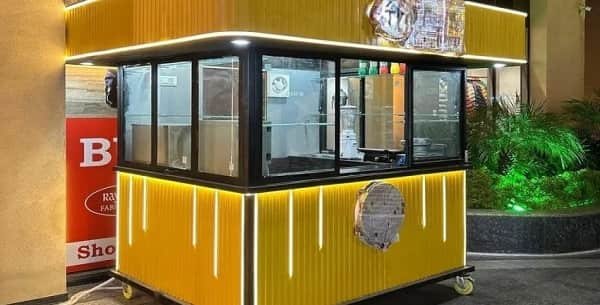
A street food cart, chai stall, roll counter, or small snack setup is one of the fastest businesses to start in India. Demand is instant, cash flow is daily, and the initial investment is low.
Why it works in 2026: Indians eat out or grab quick snacks 3 to 5 times a week. A good location near a metro, college, office area, or busy market generates ₹2,000 to ₹8,000 in daily sales from day one. Breakfast items like vada pav, idli, poha, and egg rolls sell fastest between 7 am to 11 am. Evening crowds demand chai, samosa, momos, and chaat between 5 pm to 10 pm.
Investment: ₹30,000 for cart, gas stove, utensils, and basic setup. ₹10,000 for raw material stock. ₹5,000 for FSSAI registration and vending permit. ₹5,000 for branding and UPI QR code. Total under ₹50,000.
How to start: Get FSSAI registration and a municipal vending permit. Pick a busy location with high footfall. Keep a short menu of 6 to 8 fast-moving items. Accept UPI from day one. Start with lunch or evening rush hours first.
Expected income: ₹20,000 to ₹80,000 per month from a single cart.
Risks: Municipal inspections can disrupt unauthorised spots. Monsoon hurts open stalls.
2. Delivery Partner or Rapid Courier Service
Joining as a delivery partner with Swiggy, Zomato, Blinkit, Zepto, Porter, Amazon Flex, or India Post Express is the fastest earning opportunity in Indian cities in 2026.
Why it works in 2026: Quick commerce has exploded. Platforms actively hire new delivery partners daily. A rider with a two-wheeler can start earning within 2 to 3 days of onboarding. Full-time partners earn ₹25,000 to ₹60,000 per month depending on city, working hours, and incentives. Part-time delivery for 4 to 5 hours after job or college brings ₹12,000 to ₹25,000 extra per month.
Investment: ₹2,000 to ₹5,000 for onboarding, uniform, and delivery bag. Two-wheeler must be owned or rented.
How to start: Register on Swiggy, Zomato, Blinkit, or Zepto apps. Complete background verification within 48 hours. Start accepting orders during peak lunch and dinner hours. Track earnings daily and optimise working hours.
Expected income: ₹15,000 to ₹60,000 per month.
Risks: Long working hours affect health. Accident risks require insurance.
3. Cleaning, Laundry, or Home Services
Starting a cleaning, laundry pickup-drop, pest control, or AC servicing business can generate quick cash within days of starting, especially in urban apartments and offices.
Why it works in 2026: Working families in metros constantly need home services. Platforms like Urban Company, Housejoy, and NoBroker Services have proven the model. A single cleaning job earns ₹500 to ₹1,500. A deep cleaning service for a 2BHK earns ₹2,000 to ₹4,500. Repeat customer bookings build steady weekly income within the first 30 days.
Investment: ₹15,000 for cleaning equipment, vacuum cleaner, chemicals, and uniforms. ₹5,000 for branding and pamphlets. ₹5,000 for Google My Business, Instagram, and WhatsApp promotion. Total under ₹25,000.
How to start: Register under Urban Company or similar apps as a partner. Alternatively, start independently through Google Maps listing, Instagram, and apartment WhatsApp groups. Start with 2 to 3 clients through personal network. Offer 20 percent discount on first booking for quick customer acquisition.
Expected income: ₹20,000 to ₹70,000 per month.
Risks: Physical labour-intensive work. Customer complaints need immediate attention.
4. Reselling on Meesho, WhatsApp, or Instagram
A reselling business on Meesho, GlowRoad, Shop101, or through WhatsApp and Instagram is one of the fastest zero-investment businesses in India for quick money.
Why it works in 2026: No inventory investment is needed. You simply share product catalogues with your network and earn a commission margin on every sale. Products across fashion, beauty, home, and kitchen categories have consistent demand. Instagram Reels and WhatsApp statuses drive daily sales from day one. Many housewives, students, and part-timers earn ₹15,000 to ₹80,000 per month through reselling alone.
Investment: ₹5,000 for a decent smartphone if not already owned. ₹3,000 for Instagram ads. ₹2,000 for sample products to showcase. Total under ₹10,000.
How to start: Register on Meesho or GlowRoad as a reseller. Pick 2 to 3 product niches based on your audience. Build WhatsApp and Instagram groups of potential buyers, starting with friends, family, and neighbours. Share daily catalogues with clear prices. Handle returns promptly to build trust.
Expected income: ₹10,000 to ₹80,000 per month.
Risks: High return rates in fashion. Time-consuming social media work.
5. Freelance Gigs on Fiverr, Upwork, or Local Networks
For anyone with skills in writing, design, editing, translation, coding, data entry, or tutoring, freelance gigs can start paying within 7 to 15 days of active outreach.
Why it works in 2026: Small businesses and creators in India and abroad constantly need affordable freelance help. Platforms like Fiverr, Upwork, Freelancer.com, and LinkedIn have millions of active projects. A beginner can land ₹500 to ₹3,000 per small project in the first two weeks. Regular clients bring ₹20,000 to ₹1 lakh per month within 2 to 3 months.
Investment: ₹10,000 for laptop upgrade if needed. ₹3,000 for portfolio website. ₹2,000 for subscriptions. Total under ₹15,000.
How to start: Identify your strongest marketable skill. Create a portfolio on Behance, GitHub, or a personal website. Apply to 20 to 30 small projects daily during the first week. Offer competitive pricing for the first 5 clients to build reviews. Deliver on time, every time.
Expected income: ₹5,000 in week one. ₹20,000 to ₹1 lakh per month within 3 to 4 months.
Risks: International client payment delays. Platform commissions reduce net earnings.
Tips to Earn Quick Money Through Business in India
Focus on businesses where customers pay immediately after service. Avoid businesses with 30 to 90 day credit cycles if you need quick cash. Use UPI as the primary payment mode and display QR codes visibly. Start in high-footfall, high-demand locations even if rent is slightly higher, because speed of earning matters more than margin optimisation initially. Promote aggressively on WhatsApp, Instagram, and Google My Business from day one. Keep initial prices 10 to 20 percent lower than competitors to win fast customer acquisition. Maintain honest quality from the first customer, because word-of-mouth can make or destroy a small business within a week.
Common Mistakes to Avoid
Do not borrow heavy loans to fund quick-money businesses. If the idea does not work within 60 days, a loan becomes a burden. Avoid illegal or grey-area activities like unregulated lending, gambling affiliates, or fake product selling that promise fast money. These always end in legal trouble. Never skip FSSAI, GST, and trade licences, because quick inspections by authorities can shut you down overnight. Do not ignore customer complaints in the first 30 days. Early reviews build or break a fast business. Avoid spreading across 3 to 4 businesses simultaneously. Focus on one, execute fast, and expand only after first success.
Conclusion
Quick money in India in 2026 is genuinely possible, but only through legitimate, hustle-based businesses that solve real, immediate customer needs. The five ideas above are not fantasies. They are practical paths that thousands of Indians are using to generate fast income during tough financial moments or as a springboard to bigger ventures. Pick one based on your skills, your available time, and your tolerance for physical or digital hustle.
Start small but start immediately. Execute fast. Deliver quality from customer one. Collect payments through UPI every single day. Reinvest the first ₹20,000 back into the business rather than spending it. A well-run quick-money business in 2026 is not just a short-term financial rescue. It often becomes the first step towards long-term entrepreneurial freedom, proving that real income in India does not require a corporate office or a fancy degree. It requires speed, honesty, and the courage to start today.
FAQs
Q1. Can I really earn ₹20,000 to ₹50,000 within 30 days of starting a business in India?
A: Yes, in categories like food carts, delivery partnerships, home services, and reselling. The key is choosing a business with immediate demand, low setup time, and cash-first customer behaviour. Content businesses and digital products take longer.
Q2. Which business gives the absolute fastest earning from day one?
A: Delivery partnerships with Swiggy, Zomato, or Blinkit can start earning within 48 hours of onboarding. Food carts and home services start within 3 to 7 days. Reselling starts within 24 to 48 hours.
Q3. Do I need formal licences for these quick-money businesses?
A: Yes. Food businesses need FSSAI. All businesses need GST if turnover crosses threshold. Delivery partnerships are covered under platform agreements. Freelancing requires tax filing but no specific licences initially.
Q4. Can I do these businesses part-time while holding a job?
A: Yes. Freelancing, reselling, and part-time delivery are commonly done alongside jobs. Food carts and home services need full-time attention initially. Always check your employer’s moonlighting clause.
Q5. What is the biggest risk in quick-money businesses?
A: Burnout from unsustainable working hours. Cash flow mismanagement because quick earnings often lead to quick spending. Always save 30 to 40 percent of early profits for reinvestment or emergencies.
 Meghna Sharma