 By TBLTeam
 Tier 2 cities in India have quietly become the country’s most exciting business frontier in 2026. Cities like Indore, Jaipur, Lucknow, Coimbatore, Visakhapatnam, Bhubaneswar, Nagpur, Kochi, Surat, Vadodara, and Chandigarh are no longer just stepping stones between villages and metros. They are emerging as full-scale economic hubs with growing middle-class populations, rising disposable incomes, improving infrastructure, and lower operating costs compared to Mumbai, Delhi, or Bengaluru. What was once dismissed as “small town India” is now the fastest-growing consumer market in the country.
Speak to any entrepreneur running a successful business in a Tier 2 city today and the advantages are obvious. Rent is 50 to 70 percent lower than metros. Skilled labour is available at reasonable wages. Customers are loyal, word-of-mouth marketing is powerful, and competition is less intense. Digital connectivity, UPI adoption, and e-commerce logistics have erased the old gap between metro and non-metro cities. A good business in Indore or Jaipur today can earn as much as the same business in Mumbai, but with far better margins and lower stress. The mindset shift is real. Young entrepreneurs who once ran to Bengaluru are now returning home to build in their own cities.
Here are five business ideas that genuinely work in Tier 2 Indian cities in 2026.
1. Premium Cafe, Bakery, or Cloud Kitchen
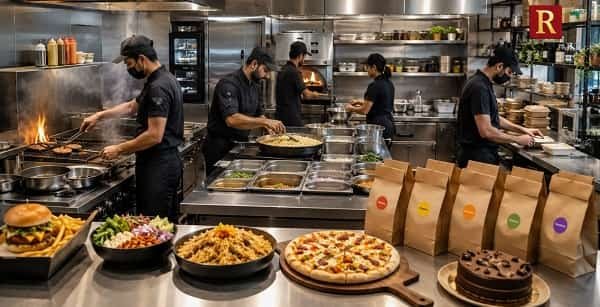
A well-branded cafe, artisan bakery, or cloud kitchen serving good coffee, continental food, or regional specialties is one of the most successful businesses in Tier 2 cities today.
Why it works in 2026: Tier 2 consumers are increasingly aspirational. Young professionals, college students, and families now expect the same cafe culture they see in Mumbai or Bengaluru. Platforms like Swiggy and Zomato bring delivery orders on top of walk-in revenue. A small 30-seat cafe with a strong Instagram presence can earn ₹2 lakh to ₹5 lakh per month within the first year.
Investment: ₹5 lakh for kitchen setup, coffee machine, and equipment. ₹3 lakh for interiors, furniture, and lighting. ₹2 lakh for shop deposit and branding. ₹1 lakh for FSSAI, GST, and licences. ₹2 lakh working capital. Total under ₹13 lakh.
How to start: Pick a location near offices, colleges, or premium apartments. Get FSSAI, fire NOC, and trade licence. Design a focused menu with signature items. Build strong Instagram and Zomato profiles from day one.
Expected income: ₹1.5 lakh to ₹5 lakh per month.
Risks: Rising raw material costs. Staff turnover is high in food business.
2. Modern Salon, Spa, or Wellness Studio
A modern unisex salon, beauty studio, or wellness centre with quality products and trained staff is a high-margin business for Tier 2 cities in 2026.
Why it works in 2026: Tier 2 consumers are spending more on grooming than ever. Weddings, festivals, and office culture drive consistent demand. Brands like Lakme, VLCC, and Naturals have proven that premium salons succeed in Tier 2 markets. Membership packages, bridal services, and skin treatments bring high-ticket revenue.
Investment: ₹4 lakh for salon chairs, equipment, and wash stations. ₹2 lakh for interiors and branding. ₹2 lakh for shop deposit. ₹1.5 lakh for professional product stock. ₹1 lakh for staff training. ₹1.5 lakh working capital. Total under ₹12 lakh.
How to start: Pick a high-visibility location in a residential or market area. Hire 2 senior stylists and 3 helpers. Set up online booking through Urban Company or Google. Offer launch discounts to build a client base.
Expected income: ₹1.5 lakh to ₹5 lakh per month.
Risks: Staff poaching. Product stock management.
3. Educational Coaching Centre or Edtech Franchise
A coaching centre for school subjects, competitive exams, spoken English, coding, or skill-based courses is one of the most profitable businesses in Tier 2 cities.
Why it works in 2026: Parents in Tier 2 cities invest heavily in children’s education. Demand for JEE, NEET, UPSC, CUET, banking, and SSC coaching is growing rapidly. Franchises like Aakash, FIITJEE, PW Vidyapeeth, and ALLEN are actively expanding into smaller cities. Independent coaching centres can charge ₹3,000 to ₹15,000 per student per month.
Investment: ₹3 lakh for furniture, whiteboards, and chairs. ₹2 lakh for deposit on a 1,000 to 1,500 square feet space. ₹1 lakh for projector, computer, and audio system. ₹1 lakh for branding, pamphlets, and marketing. ₹1 lakh for licences. ₹1 lakh working capital. Total under ₹9 lakh. Franchises cost more.
How to start: Hire 2 to 3 experienced teachers. Register under Udyam and get shop licence. Build local WhatsApp groups of parents. Offer free demo classes to build early student base.
Expected income: ₹1 lakh to ₹4 lakh per month.
Risks: Exam result pressure. Seasonal admission cycles.
4. Real Estate Brokerage and Property Consulting
A real estate brokerage focused on residential rentals, property sales, commercial leasing, and property management is a strong business opportunity in growing Tier 2 cities in 2026.
Why it works in 2026: Tier 2 cities are witnessing massive real estate growth. New apartment projects, commercial spaces, and gated communities are coming up in almost every major city. Commission rates of 1 to 2 percent on property sales and one month’s rent on rental deals generate strong per-transaction income. NoBroker, MagicBricks, and 99acres integration multiplies reach.
Investment: ₹2 lakh for office setup. ₹1 lakh for a second-hand car for client site visits. ₹1 lakh for branding, website, and portal listings. ₹50,000 for RERA registration. ₹1 lakh working capital. Total under ₹6 lakh.
How to start: Register under RERA as a property agent, which is mandatory in most states. Build relationships with builders, landlords, and banks. List on MagicBricks, 99acres, NoBroker, and Housing.com. Focus on one locality initially.
Expected income: ₹50,000 to ₹4 lakh per month based on deal volume.
Risks: Commission recovery delays. Real estate market fluctuations.
5. Specialty Retail Store or D2C Brand Physical Store
A specialty retail store selling niche products like organic food, wellness items, sportswear, home decor, ethnic wear, or authorised dealer showrooms for D2C brands is a high-growth business in Tier 2 cities.
Why it works in 2026: Tier 2 consumers are moving beyond generic mass-market products to branded, quality-focused shopping. D2C brands like boAt, Mamaearth, Sleepyhead, and Wakefit are expanding offline in Tier 2 cities through franchise models and authorised dealerships. A specialty store in sports nutrition, yoga apparel, organic grocery, or home decor finds strong customer loyalty with far less competition than in metros.
Investment: ₹5 lakh for initial product inventory. ₹2 lakh for shop deposit and interior. ₹1 lakh for branding, signage, and lighting. ₹50,000 for GST, Udyam, and licences. ₹1.5 lakh working capital. Total under ₹10 lakh.
How to start: Choose a product category aligned with your city’s demand. Tie up with 2 to 3 brands as an authorised dealer. Build Instagram and Google Maps presence. Offer home delivery and WhatsApp ordering for convenience.
Expected income: ₹80,000 to ₹3.5 lakh per month.
Risks: Inventory blockage. Competition from online platforms on price.
Tips to Run a Tier 2 City Business Successfully in India
Understand your city’s unique culture, language, and consumer habits. What works in Delhi may fail in Indore or Madurai. Focus on building personal relationships with customers because Tier 2 cities run on trust and word-of-mouth. Register under GST, Udyam, FSSAI, RERA, and other sector-specific licences because smaller city inspections are becoming stricter. Invest in strong digital presence through Google My Business, Instagram, and WhatsApp Business. Partner with local influencers for fast brand building. Keep pricing competitive but not the lowest, because Tier 2 customers value quality alongside price. Join local business associations and chambers for networking and referrals.
Common Mistakes to Avoid
Do not assume Tier 2 means Tier 2 thinking. Today’s Tier 2 customers have metro-level expectations with regional sensibilities. Avoid copy-pasting metro business models without local adaptation. Never skip licences and compliance, because local municipal action is often swifter in smaller cities. Do not over-invest in fancy interiors at the cost of marketing and staff training. Avoid underestimating competition from digital platforms and e-commerce. Never ignore staff retention, because skilled labour is harder to replace in smaller cities.
Conclusion
Tier 2 cities in India in 2026 are not just waiting rooms before moving to Mumbai or Bengaluru. They are increasingly becoming the primary playground for serious, long-term business building. Lower costs, growing markets, digital connectivity, and improving infrastructure have combined to create one of the most attractive entrepreneurial environments in the country today. A business built well in Indore, Jaipur, or Vizag in 2026 can scale nationally while enjoying far better financial efficiency than one started in a metro.
The five ideas above are not hypothetical. They are working businesses that thousands of entrepreneurs are running profitably across India’s Tier 2 cities in 2026. Pick the one that matches your capital, your skills, and the specific city you want to serve. Complete your paperwork sincerely. Build your reputation through consistent service and local relationships. A well-run Tier 2 business in 2026 is not just a livelihood. It is a future-ready venture that can grow into a regional or national brand while serving the silent rise of small-town India.
FAQs
Q1. Are Tier 2 cities really better for business than metros in 2026?
A: In many cases, yes. Lower rents, lower salaries, loyal customers, and less competition create stronger margins. However, metros offer larger customer bases for specialised businesses. The best city depends on your specific business category and capital availability.
Q2. Which Tier 2 city is the most business-friendly in India right now?
A: Indore, Coimbatore, Jaipur, Lucknow, Visakhapatnam, and Kochi consistently rank among the most business-friendly Tier 2 cities based on infrastructure, government support, talent availability, and consumer spending power.
Q3. How much investment is typically needed for a Tier 2 business?
A: Most serious Tier 2 businesses can start with ₹5 lakh to ₹15 lakh. This includes retail, cafes, coaching centres, salons, and brokerage firms. Manufacturing and real estate development need ₹25 lakh or more.
Q4. Do franchise models work well in Tier 2 cities?
A: Yes, very well. Many national brands specifically target Tier 2 cities for franchise expansion because of lower competition and higher brand loyalty. Franchises in food, fitness, coaching, and retail categories perform especially well.
Q5. How do I market a business in a Tier 2 city?
A: Combine traditional methods like pamphlets, newspaper inserts, and local cable ads with digital channels like Instagram, Google My Business, and WhatsApp Business. Partner with local influencers, schools, and RWAs. Word-of-mouth remains the strongest marketing force in Tier 2 cities.
 Meghna Sharma