 By TBLTeam
 The insurance industry in India has changed significantly over the past decade. Earlier, most people purchased insurance through agents or branch offices. Today, digital platforms and insurance websites have made online insurance buying extremely popular.
Whether it is term insurance, health insurance, motor insurance, or travel insurance, customers now have two main choices — buying insurance online or buying it offline through agents, brokers, or company representatives.
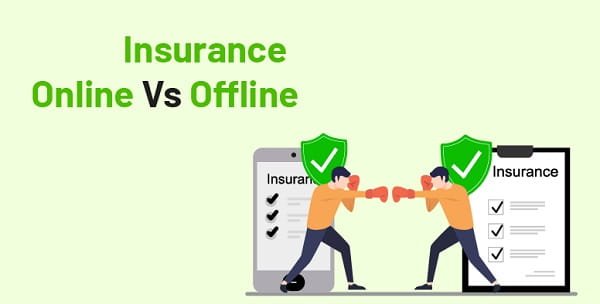
Both methods have their own advantages and limitations. While online insurance is often cheaper and faster, offline insurance provides personalized guidance and human support. Understanding the price and service gap between these two options can help buyers make smarter financial decisions.
What is Online Insurance?
Online insurance refers to policies purchased directly through:
- Insurance company websites
- Mobile apps
- Insurance aggregator platforms
- Digital brokers
The entire process, including comparison, documentation, payment, and policy issuance, is completed digitally.
Online insurance has become increasingly popular among young and tech-savvy consumers because of convenience and lower premiums.
What is Offline Insurance?
Offline insurance is purchased through:
- Insurance agents
- Financial advisors
- Branch offices
- Insurance brokers
In this method, customers receive face-to-face assistance for policy selection, paperwork, and claim support.
Offline buying remains popular among individuals who prefer personal interaction and guidance.
Why Online Insurance is Usually Cheaper
One of the biggest reasons people prefer online insurance is lower premium cost.
Insurance companies save operational expenses because online sales reduce:
- Agent commissions
- Office costs
- Paperwork expenses
- Distribution costs
These savings are often passed on to customers through lower premiums.
For example, online term insurance plans may cost 10%–30% less than similar offline plans.
Comparison: Online vs. Offline Insurance
| Feature | Online Insurance | Offline Insurance |
| Premium Cost | Usually lower | Usually higher |
| Purchase Process | Fully digital | Physical interaction involved |
| Documentation | Online upload | Paper-based or assisted |
| Human Guidance | Limited | Personalized support |
| Policy Comparison | Easy and fast | Depends on advisor |
| Claim Assistance | Digital support | Agent assistance available |
| Transparency | High policy visibility | Depends on advisor explanation |
| Convenience | Available 24×7 | Limited to working hours |
| Risk of Mis-selling | Lower | Relatively higher |
| Suitable For | Tech-savvy buyers | First-time or elderly buyers |
Advantages of Buying Insurance Online
1. Lower Premiums
Online plans generally cost less because there are no intermediary commissions.
This makes online term and health insurance especially attractive for budget-conscious buyers.
2. Easy Policy Comparison
Customers can compare:
- Premiums
- Features
- Claim settlement ratios
- Riders
- Exclusions
within minutes on digital platforms.
This improves transparency and helps customers make informed choices.
3. Faster Policy Issuance
Online applications are processed quickly, and many policies are issued instantly after verification.
Digital KYC and online medical scheduling have simplified the process significantly.
4. Convenience and Accessibility
Policies can be purchased anytime from home without visiting branches or meeting agents.
This is particularly useful for busy professionals and people living in smaller towns.
Advantages of Buying Insurance Offline
1. Personalized Guidance
Insurance products can be complex. Offline agents help customers understand:
- Policy terms
- Riders
- Exclusions
- Claim procedures
This support is valuable for first-time buyers.
2. Better Assistance During Claims
Many policyholders prefer having a dedicated agent during difficult claim situations.
Offline agents often help with:
- Document submission
- Claim follow-ups
- Hospital coordination
- Communication with insurers
3. Suitable for Complex Financial Planning
For high-value insurance products or investment-linked plans, professional advisors can provide customized recommendations.
4. Comfort for Elderly Customers
Senior citizens and non-digital users may feel more comfortable with face-to-face communication instead of online platforms.
The Service Gap Between Online and Offline Insurance
Although online insurance offers affordability, service quality may differ depending on customer expectations.
Online Service Challenges
Some common issues include:
- Limited human interaction
- Chatbot-based customer support
- Difficulty understanding policy wording
- Self-managed documentation
- Delayed responses in complex cases
Customers are expected to read and understand policy documents independently.
Offline Service Challenges
Offline insurance also has drawbacks.
Common concerns include:
- Higher premiums
- Possibility of biased recommendations
- Risk of mis-selling
- Lack of transparency
- Dependence on agent availability
Some agents may promote policies with higher commissions instead of products best suited to the customer.
Which Option is Better for Indian Consumers?
The answer depends on financial knowledge, comfort with technology, and service expectations.
Online Insurance is Better If:
- You understand insurance basics
- You want lower premiums
- You are comfortable with digital platforms
- You can compare policies independently
- You prefer quick transactions
Offline Insurance is Better If:
- You are buying insurance for the first time
- You need personalized advice
- You prefer human assistance
- You are purchasing complex policies
- You want support during claims
Important Factors to Consider Before Buying Insurance
Regardless of purchase mode, buyers should evaluate several important factors.
1. Claim Settlement Ratio
Choose insurers with strong claim settlement records.
2. Policy Coverage
Understand inclusions, exclusions, waiting periods, and riders carefully.
3. Customer Service Quality
Check reviews and complaint resolution performance.
4. Financial Stability of Insurer
A financially strong insurer is more reliable in the long term.
5. Transparency
Always read policy documents thoroughly before purchase.
Common Mistakes to Avoid
Many policyholders make errors while buying insurance.
Avoid These Mistakes:
- Choosing only based on low premium
- Ignoring policy exclusions
- Buying unnecessary riders
- Hiding medical history
- Depending entirely on agents without verification
- Not comparing multiple insurers
Proper research is essential before making any insurance decision.
Digital Transformation in India’s Insurance Sector
India’s insurance market is rapidly moving toward digitalization. Many insurers now offer:
- AI-based customer support
- Digital claim tracking
- Paperless onboarding
- Instant premium calculators
- Online renewals
At the same time, offline distribution channels continue to remain important, especially in semi-urban and rural areas.
The future of insurance in India is likely to combine both digital convenience and human support.
Conclusion
Buying insurance online and offline both have unique advantages. Online insurance offers affordability, convenience, and transparency, while offline insurance provides personalized guidance and claim assistance.
There is no single “best” method for every customer. Financially aware and digitally comfortable users may benefit more from online policies, whereas first-time buyers and elderly individuals may prefer offline support.
Before purchasing any insurance policy, consumers should compare features, understand policy conditions, and choose a trusted insurer instead of focusing only on price differences.
A well-informed insurance decision can provide long-term financial security and peace of mind.
FAQs
Q: Is online insurance cheaper than offline insurance?
A: Yes, online insurance policies are often cheaper because insurers save agent commissions and operational costs.
Q: Are online insurance policies safe?
A: Yes, purchasing insurance from official insurer websites or trusted digital platforms is generally safe and secure.
Q: Why do offline insurance plans cost more?
A: Offline plans may include agent commissions and higher distribution expenses, increasing premium costs.
Q: Which is better for claim support — online or offline?
A: Offline agents may provide more personalized claim assistance, while online insurers offer digital claim tracking and support.
Q: Can I buy term insurance online without an agent?
A: Yes, many insurers allow customers to purchase term insurance directly online.
Q: Is there a difference in coverage between online and offline insurance?
A: Coverage may be similar in many cases, but premiums, riders, and service experience can differ depending on the insurer and distribution channel.
 Meghna Sharma