 By TBLTeam
 Demonetisation is a bold and often controversial economic decision. It refers to the act of removing the legal tender status of a currency note or coin and replacing it with new ones. Governments usually take this step to deal with serious economic problems such as black money, corruption, counterfeit currency, or to push long-term reforms in the financial system.
In India, demonetisation became a widely discussed topic after the 2016 decision to withdraw high-value currency notes. The move affected every section of society—households, businesses, banks, and the informal sector. While supporters viewed it as a strong step toward transparency and a cleaner economy, critics pointed out the hardship it caused to ordinary people.
To understand demonetisation properly, it is important to look at both its advantages and disadvantages.
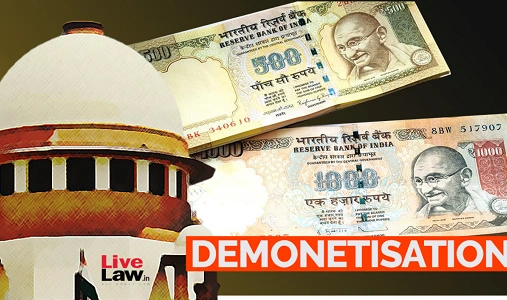
What Is Demonetisation?
Demonetisation is the process by which a government declares certain currency notes invalid as legal tender. People are required to exchange or deposit the old notes within a fixed time period. New currency notes or alternative payment systems are introduced to replace the withdrawn money.
The main aim of demonetisation is usually to curb illegal activities linked to cash and bring more money into the formal financial system.
Advantages of Demonetisation
1. Curb on Black Money
One of the primary objectives of demonetisation is to reduce black money. Large amounts of unaccounted wealth are often stored in the form of cash. When old currency notes are withdrawn, holders of illegal cash are forced to either declare it or lose its value. This discourages hoarding of black money and promotes financial transparency.
2. Reduction in Counterfeit Currency
Fake currency poses a serious threat to the economy and national security. Demonetisation helps eliminate counterfeit notes in circulation, as fake currency holders cannot easily exchange invalid notes. Introducing new designs and security features makes counterfeiting more difficult, at least in the short term.
3. Boost to Digital Payments
Demonetisation encourages people to adopt digital payment methods such as cards, mobile wallets, UPI, and online banking. When cash availability becomes limited, individuals and businesses look for alternative ways to transact. This accelerates the shift toward a digital and formal economy.
4. Increase in Tax Compliance
When people deposit old currency notes into banks, the money trail becomes visible. This helps tax authorities identify unreported income and widen the tax base. As more people come under the tax net, government revenue increases, which can be used for development and welfare programs.
5. Formalisation of the Economy
Demonetisation pushes economic activities from the informal sector into the formal system. More bank accounts are opened, and more transactions pass through official channels. This improves transparency, accountability, and long-term financial discipline in the economy.
6. Short-Term Control Over Illegal Activities
Cash is often used in activities such as bribery, illegal trade, and financing of unlawful operations. By reducing the availability of high-value cash, demonetisation temporarily disrupts these activities. This can have a positive impact on law and order in the short run.
Disadvantages of Demonetisation
1. Severe Cash Shortage
The most immediate and visible disadvantage of demonetisation is cash shortage. When old notes are withdrawn suddenly, people face difficulties in accessing money for daily needs. Long queues at banks and ATMs become common, causing stress and inconvenience, especially for ordinary citizens.
2. Impact on the Poor and Informal Sector
The poor, daily wage workers, and small traders depend heavily on cash for survival. Demonetisation hits them the hardest. Many informal businesses suffer losses, wages are delayed, and employment opportunities decline. For people without bank accounts or digital access, the transition becomes extremely difficult.
3. Slowdown in Economic Activity
With reduced cash in circulation, consumer spending falls sharply. Lower demand affects production, trade, and services. Small businesses and rural markets are especially affected. This can lead to a temporary slowdown in economic growth and lower overall output.
4. Questionable Impact on Black Money
A major criticism of demonetisation is that it may not significantly reduce black money in the long term. A large portion of black wealth is often held in assets like real estate, gold, or overseas accounts rather than cash. If most of the withdrawn currency returns to banks, the effectiveness of demonetisation comes into question.
5. Cost of Implementation
Demonetisation involves high costs. Printing new currency notes, recalibrating ATMs, managing banks, and handling logistics require massive expenditure. These costs are ultimately borne by the economy and taxpayers, reducing the net benefit of the policy.
6. Disruption to Daily Life
Demonetisation affects routine activities such as buying food, paying transport fares, or accessing medical services. In rural and remote areas, where digital infrastructure is weak, people face serious hardships. For elderly citizens and those unfamiliar with banking, the adjustment is particularly painful.
7. Loss of Trust and Uncertainty
Frequent or sudden demonetisation can create uncertainty in the economy. People may lose trust in the stability of currency and financial policies. Businesses may hesitate to invest, and households may prefer to hold assets instead of cash, which can affect long-term economic confidence.
Long-Term Perspective on Demonetisation
Demonetisation is not a solution by itself. It can act as a supporting measure but cannot replace structural reforms. Without strong follow-up actions such as better tax administration, strict enforcement, financial literacy, and digital infrastructure, the benefits of demonetisation may remain limited.
Its success largely depends on planning, timing, and the readiness of the economy to absorb such a shock.
Conclusion
Demonetisation is a powerful but disruptive economic tool. On the positive side, it helps curb black money, reduce counterfeit currency, promote digital payments, and improve tax compliance. It can push the economy toward greater transparency and formalisation.
However, the disadvantages are equally significant. Cash shortages, hardship for the poor, slowdown in economic activity, and high implementation costs raise serious concerns. If not executed carefully, demonetisation can cause more harm than good in the short to medium term.
In the end, demonetisation should be viewed as a temporary and supportive measure, not a permanent solution. A strong economy is built through consistent policies, effective governance, and inclusive growth—where reforms benefit all sections of society, not just the system on paper.